
Last updated November 15, 2026
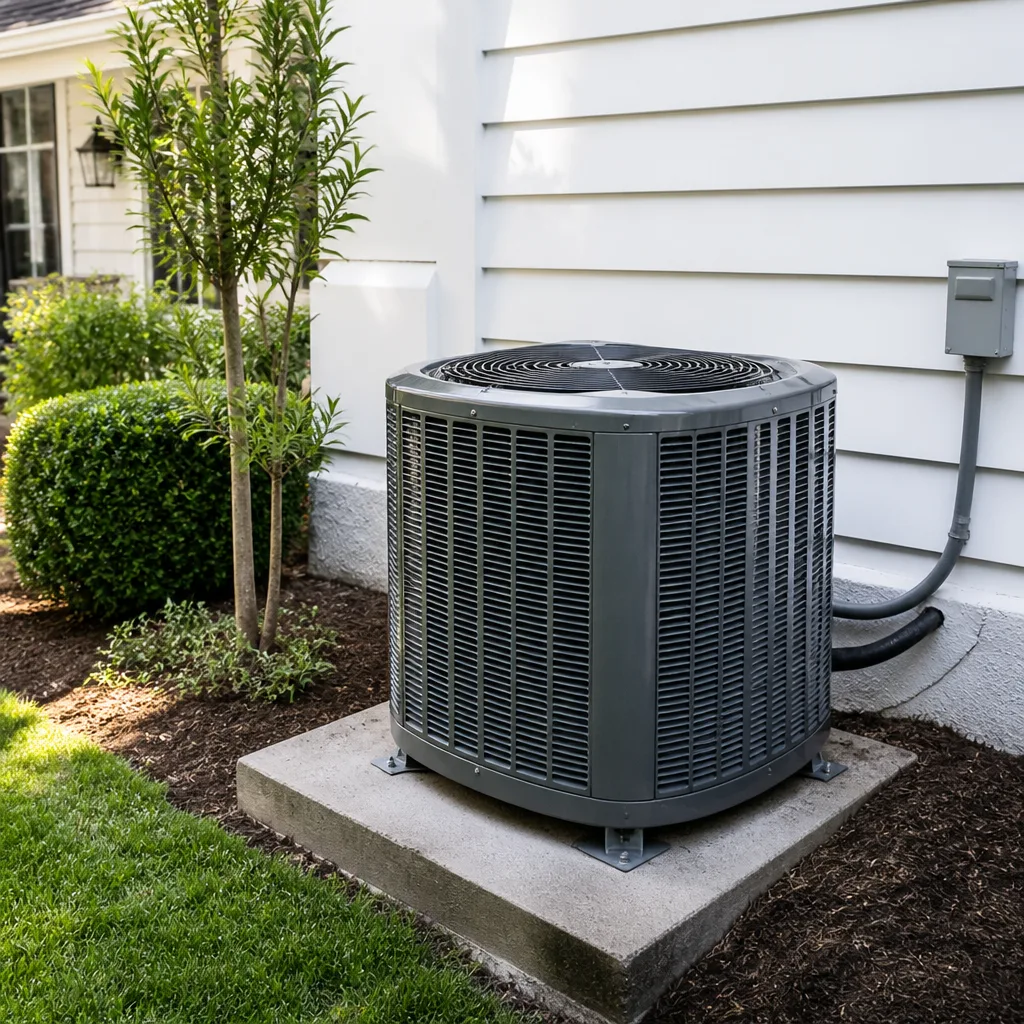 AC repair
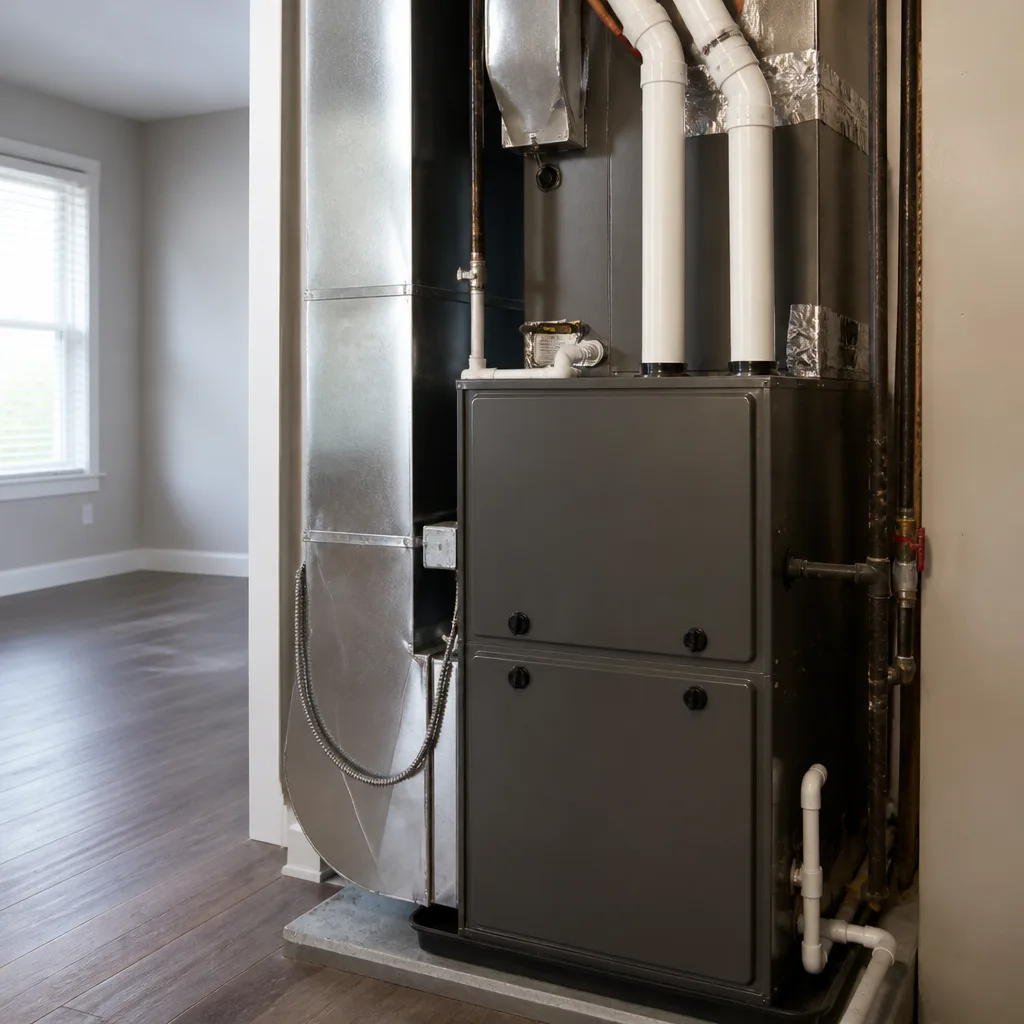 Furnace & heating
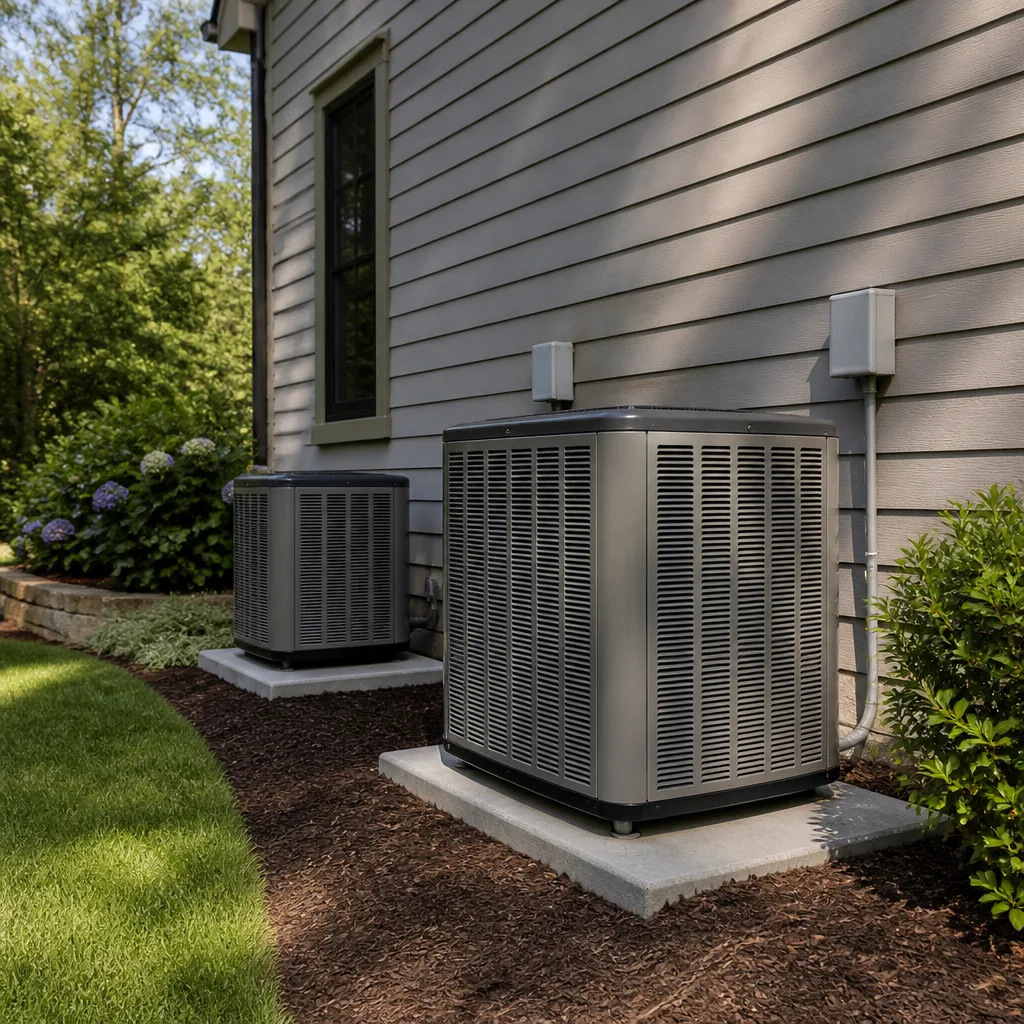 Heat pumps
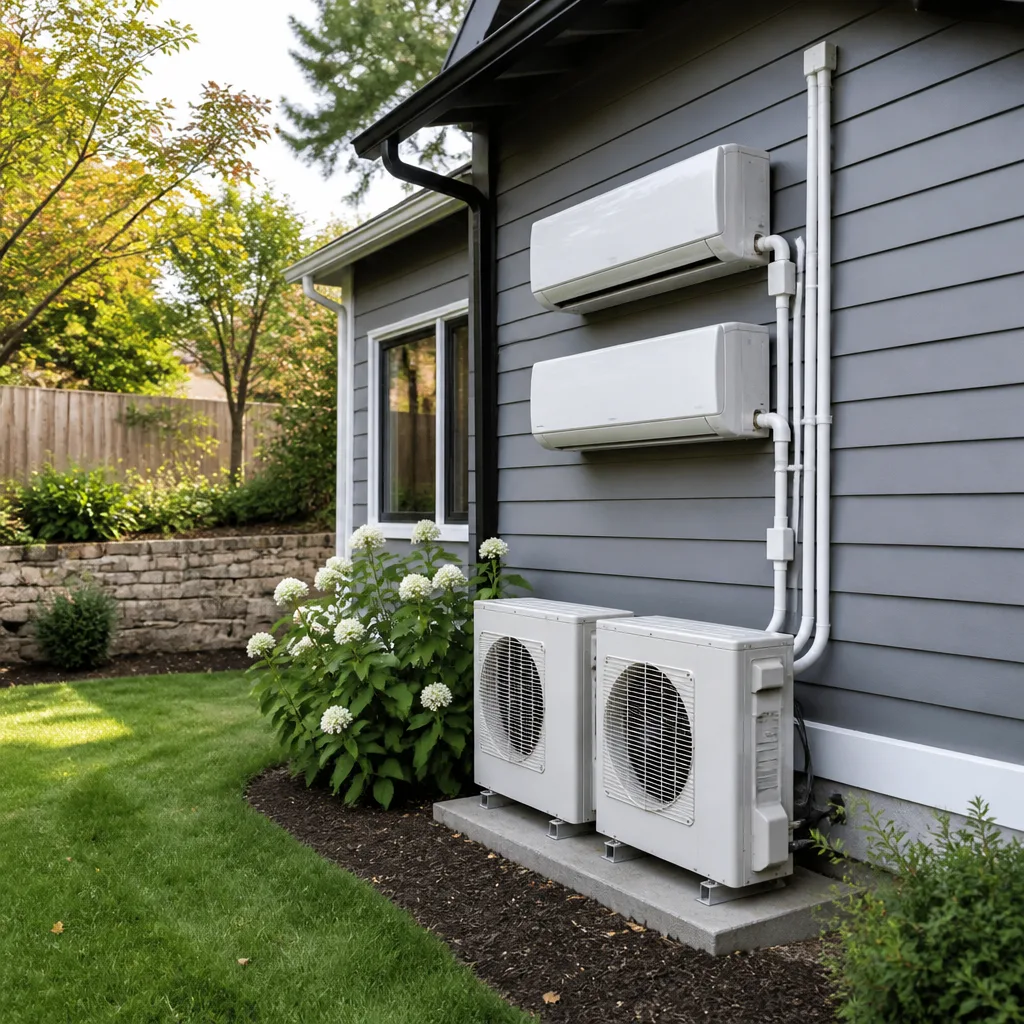 Ductless mini splits
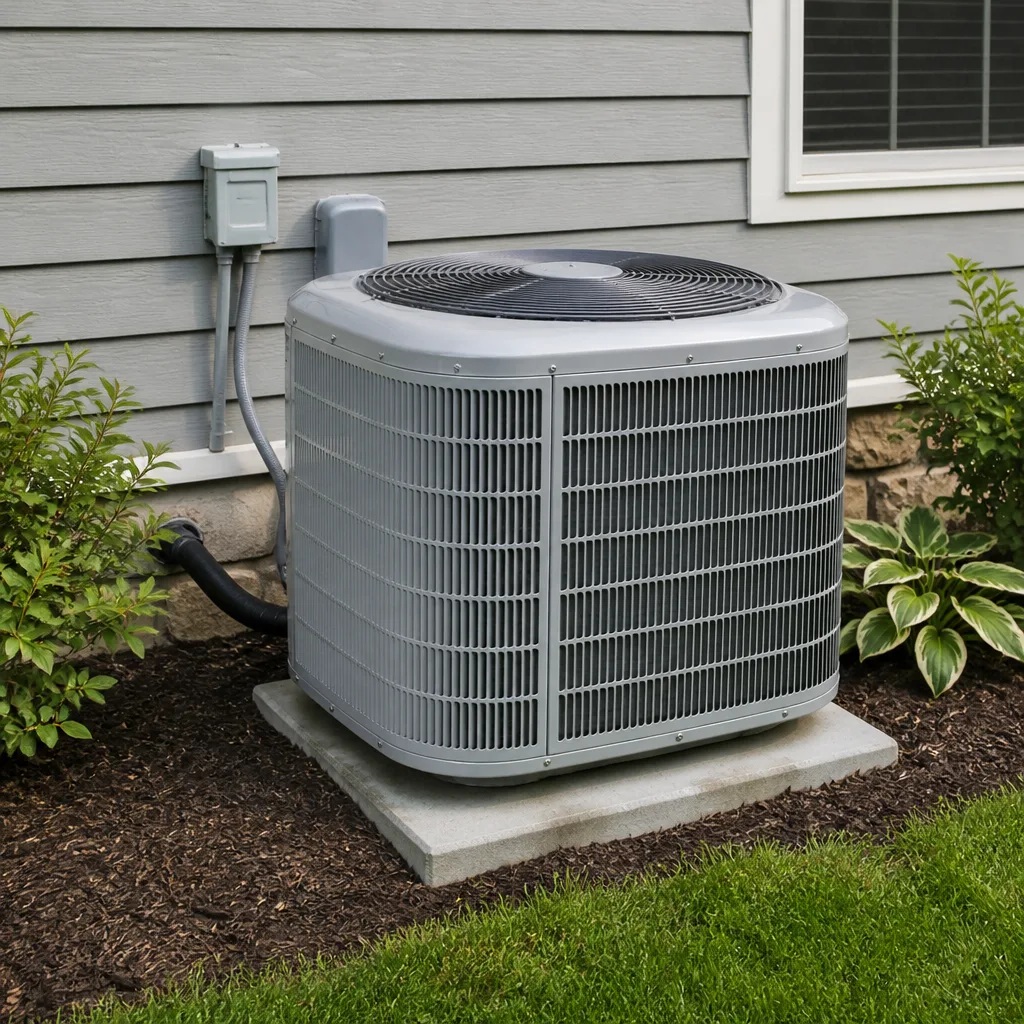 Carrier
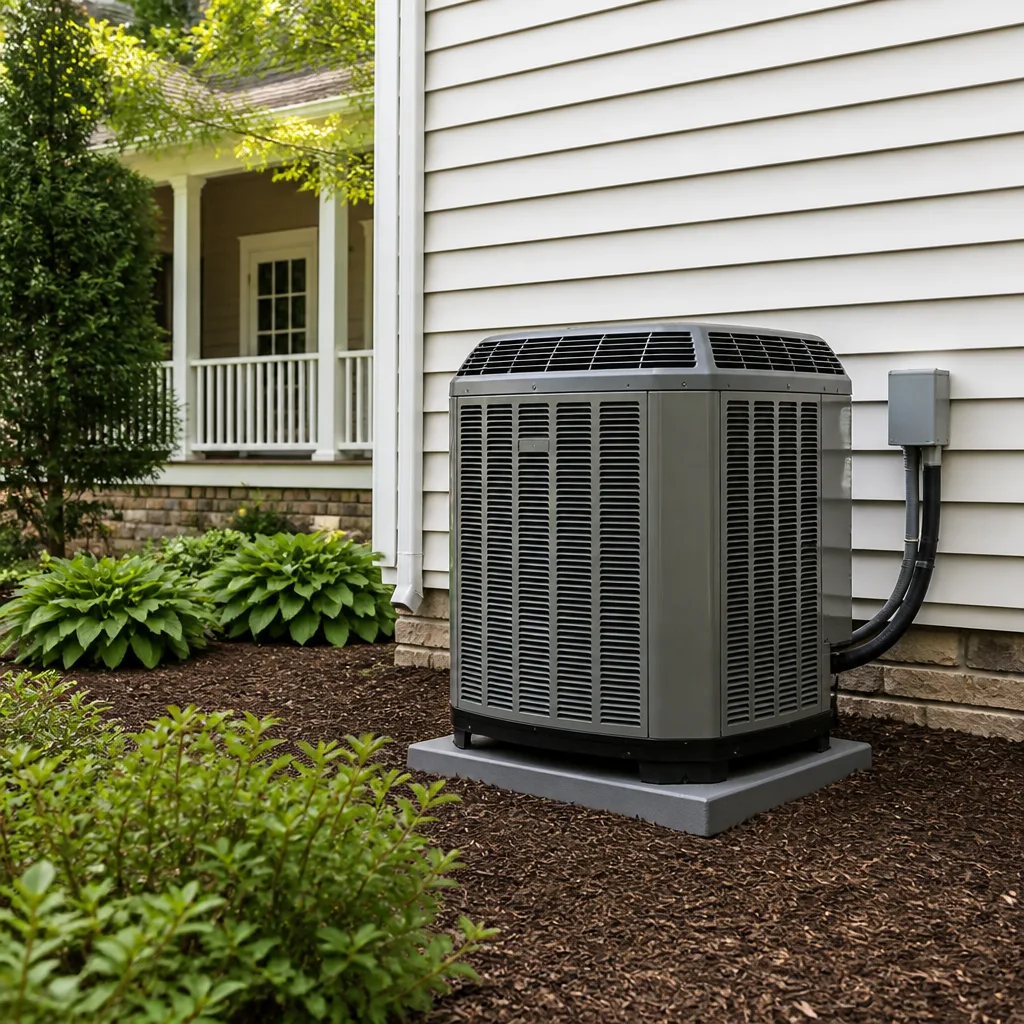 Trane
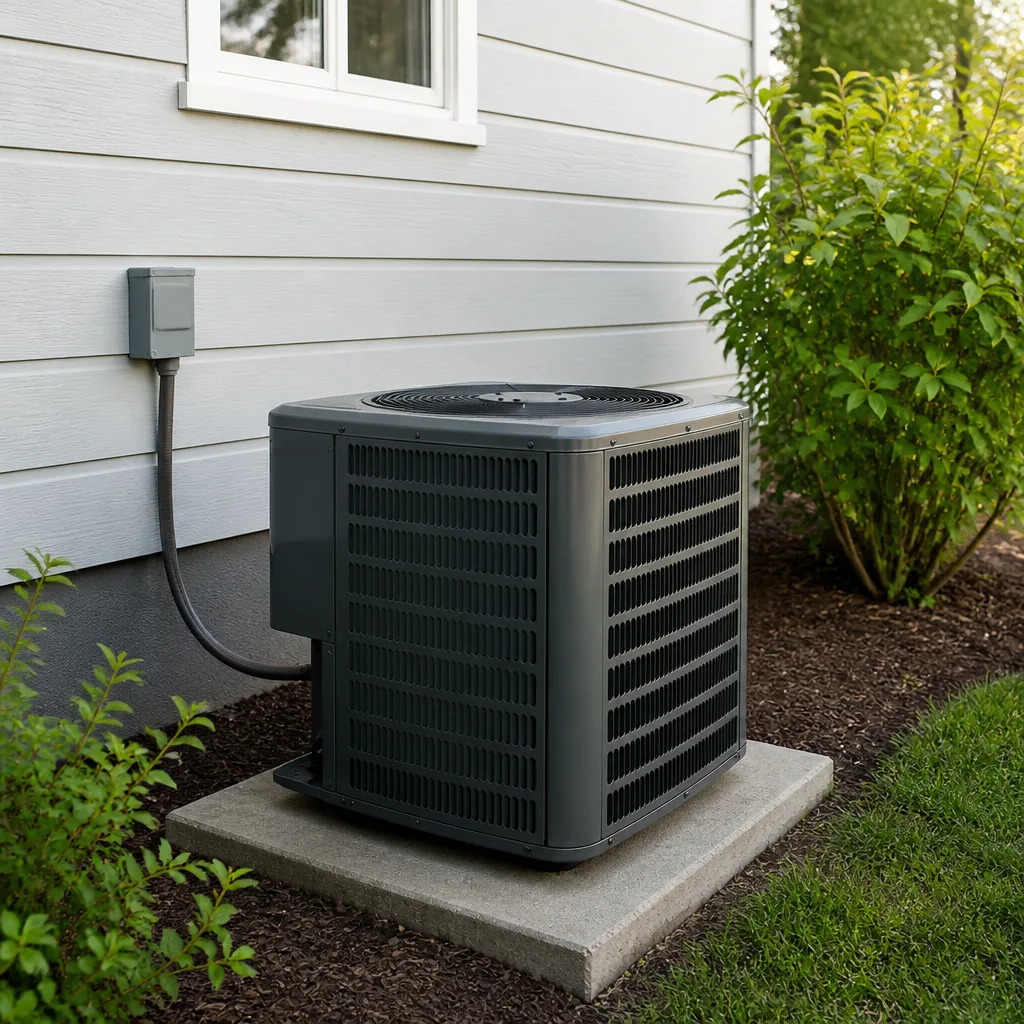 Goodman
Seasonal tune-up and full diagnostic on your Carrier, Trane, or Goodman system - readings shown to you before any repair is proposed
Diagnosis first, numbers second - you approve the repair price before a single part goes in.
Get your free estimateAC Repair Troubleshooting in Brandon: Common Problems and How to Fix Them
“Not cooling” tells a technician almost nothing. It’s the most common call we get in Brandon, and it’s the least useful description of a problem. But if your AC isn’t cooling, the outdoor unit is still running, and there’s ice on the refrigerant line, that combination narrows the cause to one of two things in most cases. The skill in troubleshooting isn’t recognizing a symptom. It’s reading two or three symptoms together and eliminating what doesn’t fit. That’s what this guide teaches: how to think about your system the way a technician does, what your system’s sounds and clues actually mean, and when to stop investigating and call someone. You’ll learn which problems you can safely check yourself and which ones you shouldn’t touch.
Quick Answer
Most AC “not cooling” problems in Brandon come down to restricted airflow, low refrigerant from a leak, a failed capacitor, or a dirty condenser coil, and you can narrow it down by matching two or three symptoms together instead of trusting a single clue. Check your air filter, thermostat batteries, and outdoor unit breaker first, because those are safe and free. If the system still won’t cool after that, stop and call a technician, especially if you see ice, hear hissing, or smell anything burning.
Styles & brands we work with
- AC repair
- Furnace & heating
- Heat pumps
- Ductless mini splits
- Carrier
- Trane
- Goodman
Table of Contents
- Why AC Problems Look Different in Brandon
- Reading Symptom Combinations Like a Technician
- The Sounds Homeowners Misidentify
- What to Check Before You Call
- Florida False Alarms: When a Trip Isn’t an Emergency
- How to Tell If a Previous Repair Was Done Wrong
- Repair or Replace: Reading the Warning Signs
- Keeping Your System on Watch Year-Round
Why AC Problems Look Different in Brandon
Brandon’s cooling season runs long and hot, and your system spends far more hours running here than a system in a milder climate ever would. That extended run time is the single biggest factor in what fails and when. Capacitors, contactors, and blower motors wear out faster when they’re cycling for months on end. Refrigerant leaks become more obvious because the system never gets a long break. And the humidity means your indoor coil is constantly wet, which puts steady stress on the drain system.
When you call for AC repair, the technician is thinking about this wear pattern. A component that fails in July usually failed because it was worked hard through June, not because something suddenly went wrong that afternoon. That’s why we emphasize catching small things early. A capacitor that’s starting to weaken will still run your system for a while, then quit on the hottest afternoon of the year, when the demand on the whole grid peaks and the system is least able to cope.
The other Brandon factor is dust and pollen. Our neighborhoods sit among a lot of mature landscaping, and condenser coils pull in everything that’s in the air. A coil that’s half-blocked by debris raises the system’s operating pressure and temperature, and that shows up as longer run times, higher bills, and eventually a system that trips its safety switch or shuts down. Cleaning the outdoor coil is one of the simplest things a homeowner can do to protect the system, and it’s often the first thing a technician checks.
Reading Symptom Combinations Like a Technician
A single symptom is a guess. A combination is a diagnosis. Here’s how to cross-reference what you’re seeing so you walk to the phone with useful information rather than a vague complaint.
Not cooling, plus the outdoor unit is running
This narrows things fast. The compressor and fan are getting power, so the problem is downstream: low refrigerant, a restricted metering device, a dirty condenser coil, or a restricted indoor coil. If you also see ice on the refrigerant line, low refrigerant or a restriction is the likely cause. That’s a technician’s job, because adding refrigerant without finding and fixing the leak is a temporary patch.
Not cooling, plus the outdoor unit is silent
Now you’re looking at power or control. Start with the breaker and the thermostat. If the thermostat is on and calling for cool, the indoor blower runs, but nothing happens outside, the problem is likely a tripped breaker, a failed contactor, or a control board issue. These are checks you can do safely; the repair inside the electrical panel is not.
Cooling, but the airflow is weak
Weak airflow plus a cool house usually means a filter, a blower, or a duct restriction. Replace the filter first. If the airflow doesn’t improve and you hear the blower struggling, the blower wheel or motor needs attention.
Not cooling, plus warm air at the vents
Warm air at the vents with a running compressor points toward a refrigerant problem or a compressor that’s not actually pumping. If the outdoor unit is humming but not moving air from its fan, and the indoor air is warm, that combination is a strong signal to shut the system down and call for service.
Once you’ve matched your symptoms, the next step is deciding whether it’s a quick reset or a real repair. When in doubt, a trained technician can sort it out faster than a process of elimination at home.
The Sounds Homeowners Misidentify
Sounds are the most misread clue because homeowners tend to categorize every noise as “something’s wrong” instead of distinguishing between them. Each of these points to a different component.
- A low hum that won’t settle into a start. That’s usually a failing capacitor or a hard-starting compressor. The unit tries to kick on, hums, and shuts off. Don’t keep flipping the breaker to force it; a compressor that keeps trying to start on a weak capacitor is at risk of damage.
- A hiss, especially near the refrigerant lines or indoor coil. Hissing suggests refrigerant escaping under pressure. This isn’t something to investigate yourself. Shut the system down and call.
- A rhythmic rattle or scraping from the indoor unit. A loose blower wheel or a bearing going out. Left alone, a wheel that’s out of balance can damage the motor or housing.
- A hard click followed by silence. Often a safety switch doing its job. The system is telling you something is wrong, not just being temperamental.
- A steady, gritty rattle at the outdoor unit. Debris or a failing fan motor bearing. Sometimes a stick or leaf, sometimes wear.
The pattern to remember: hums and clicks are electrical, hisses are refrigerant, rattles are mechanical. When you call, tell us which of those three categories the sound falls into and where it’s coming from. That single detail often decides whether the technician arrives expecting to test a capacitor or to trace a leak.
What to Check Before You Call
There’s a lot you can safely do before a technician arrives, and there’s a short list of things you absolutely should not touch. Getting this right protects you and makes the eventual diagnosis easier.
Safe to do
- Replace the air filter if it’s visibly dirty. A clogged filter is the most common cause of weak airflow and frozen coils.
- Check the thermostat. Fresh batteries, correct mode set to cool, and a set point a few degrees below the current temperature.
- Look at the outdoor unit’s breaker at the electrical panel. If it’s tripped, reset it once. If it trips again, stop.
- Look at the outdoor unit’s disconnect box near the unit. If the breaker there is pulled, leave it as it is and tell the technician.
- Gently clear visible debris like leaves and grass clippings from around the outdoor coil. Don’t spray water into the electrical compartment.
- Note the symptoms clearly: is the outdoor unit running? Is the indoor fan running? Is there ice? Any strange sound?
Do not touch
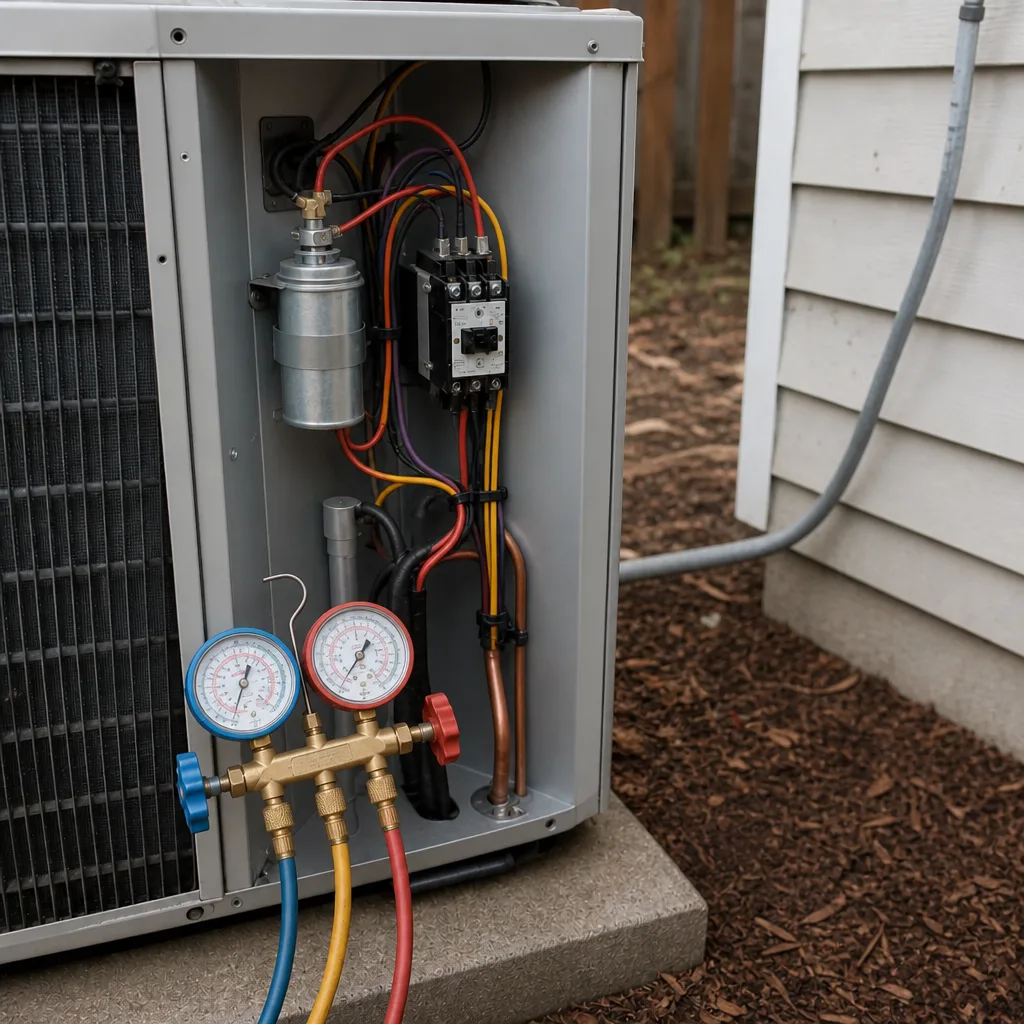
- Refrigerant lines or ports. These operate under high pressure. Do not try to add refrigerant, tighten fittings, or open the service ports. Refrigerant can cause frostbite, and venting it is both dangerous and regulated.
- Electrical panels and wiring. No opening the electrical panel to poke at contactors or capacitors. Capacitors hold a charge even after power is off, and a mistake here can be serious.
- Ice on the coil. Don’t chip at it, and don’t keep running the system to “see if it clears.” Turn the system off and let it thaw while you arrange service.
If you’re not sure whether something is safe, it isn’t. Call Sentry AC Repair and describe what you see; we can tell you whether it’s a quick fix or an emergency.
Florida False Alarms: When a Trip Isn’t an Emergency
Here’s a distinction that saves Brandon homeowners money and worry: the same safety trip means different things depending on the day and the temperature outside.
On a hot August afternoon, with the system running for hours and the outdoor unit pulling in hot air, a high-pressure cutout can trip simply because pressures ran high during peak load. That’s the system protecting itself, not necessarily a defect. The unit may reset and run normally once it cools. A high-pressure trip in the middle of an August heat wave, especially on a unit that’s been running without a break, is often the symptom of a dirty coil, high refrigerant charge, or simply extreme conditions.
The same trip in a cooler month, when the system is under light load, points to something mechanical. If it cuts out when it shouldn’t be under stress, there’s a restricted line, an overcharge, or a failing component. That’s the version worth investigating right away.
The practical takeaway: note the conditions when the trip happened. Was it a hot afternoon? Had the system been running for hours? Was the outdoor unit in direct sun? That context changes the diagnosis, and it’s the kind of thing a technician wants to hear. A system that trips once in August and runs fine afterward is a different problem than a system that trips in October.
Either way, the fix is to find the underlying cause. High pressure doesn’t resolve itself permanently, and ignoring a repeated August trip is how smaller problems become compressor failures.
How to Tell If a Previous Repair Was Done Wrong
When a system keeps breaking, homeowners assume it’s a bad unit. Often it’s an unfinished or sloppy repair from earlier. These clues are visible without opening anything up, and they tell a technician a lot before the gauges even come out.
- Mismatched or missing refrigerant port caps. Service ports should have correct caps in place. Missing or mismatched caps suggest someone was in a hurry and can also allow moisture and dirt into the system.
- A drain pan that isn’t seated or doesn’t slope correctly. A pan installed crooked or shoved back into place will eventually overflow, and you’ll find water damage rather than a cooling failure. It’s a sign the original repair didn’t finish the job properly.
- Unmarked or loose wire connections. Wires reconnected without proper terminals or left out of their routing suggest work that wasn’t done to standard. Loose connections cause intermittent failures that look like something else entirely.
- Condensate line that drains uphill or wasn’t reconnected. This causes slow water leaks that appear weeks later, usually far from where the work was done.
- Coil or panel screws mismatched, missing, or cross-threaded. A small clue that the unit was reassembled carelessly.
If you spot any of these, mention it when you call. It changes where the technician looks first, and it explains why the same system keeps needing repair. Since we work across brands like York, Daikin, Bryant, and American Standard, we’re used to seeing how a repair was completed on a given model and where shortcuts tend to show up. That fluency in AC installation and repair across many systems matters when the problem is a previous job rather than the equipment itself.
Repair or Replace: Reading the Warning Signs
This is the question every homeowner eventually asks, and there’s no single number that answers it. The honest answer depends on how often the system fails, what’s failing, and how old the equipment is relative to its expected life. What we look for is a pattern, not a single breakdown.
- Repeat failures of the same part. A compressor replaced twice, or a blower that keeps burning out, usually means the root cause was never fixed.
- Rising energy bills without a change in use. A system that’s working harder to reach the same temperature is telling you its efficiency is slipping.
- Repairs stacking up. When the cost and frequency of repairs start climbing, replacement becomes the better long-term call.
- Refrigerant leaks that keep coming back. A sealed system that needs repeated charging has a leak that keeps being topped up instead of fixed.
When the time comes, a proper replacement is what we describe as load-calculated, ordered, and scheduled: the system is sized to your home, the equipment is ordered for the job, and the install is booked into a set date. It’s not the same-day scramble of a repair. We make that distinction up front so nobody is surprised. Either way, the decision is yours, and we’re structured to repair what you have rather than push you toward new equipment. If replacement is genuinely the better call, we’ll say so and explain why.
Keeping Your System on Watch Year-Round
The most reliable way to avoid a mid-summer failure in Brandon is to catch wear before it becomes a breakdown. Because our cooling season is long, the components at risk fail on a schedule, and knowing that schedule helps you act before the hottest week.
- Change the filter regularly. In a home with pets or heavy use, more often than the filter packaging suggests. A dirty filter drives every other symptom on this page.
- Clean the outdoor coil during the season. Clear debris, and rinse the coil gently when the unit is off and the area around the electricals is dry.
- Keep the area around the outdoor unit clear. Don’t stack lawn tools or garbage cans against the coil. It needs air.
- Listen and look. Walk past the unit once a week. Note new sounds, ice, or water. Early clues are cheap; late ones are not.
- Schedule a check before the heat peaks. Catching a weakening capacitor in spring is far easier than replacing a compressor in July.
We can’t promise your system will never fail, but we can guard the parts most likely to. Our technicians have up to 9 years of experience, and the work is the same whether you’re in a neighborhood near the top of the map or lower down toward Brandon proper. The goal is the same: keep the system on watch so it keeps its cool.
Common Mistakes to Avoid
- Adding refrigerant without finding the leak. Topping off a system treats the symptom. Without finding and sealing the leak, you’ll be charging it again next season. If a technician never looks for the leak, ask why.
- Running a system with ice on the coil. This can damage the compressor. Turn it off and let it thaw rather than trying to clear the ice or force the system to keep running.
- Resetting a tripped breaker repeatedly. A breaker that trips once is worth resetting. One that trips again after the reset is a signal to stop and call for service, not to keep flipping it.
- Assuming warm air means a dead compressor. Warm air with a running outdoor unit usually means refrigerant or airflow, not a compressor. Let a technician test before assuming.
- Ignoring the drain line in a humid climate. Brandon’s humidity means your drain system is working hard. A clogged drain can cause water damage inside the home without affecting cooling at all.
- Choosing a provider who only sells one brand. A dealer that pushes a single manufacturer’s product has an incentive to recommend replacement over repair. A brand-agnostic technician works for you, not a distribution quota.
- Calling only for emergencies. Reaching out when the system is running fine and getting a check done prevents the emergency you’re avoiding. Early clues are always cheaper to fix than failures.
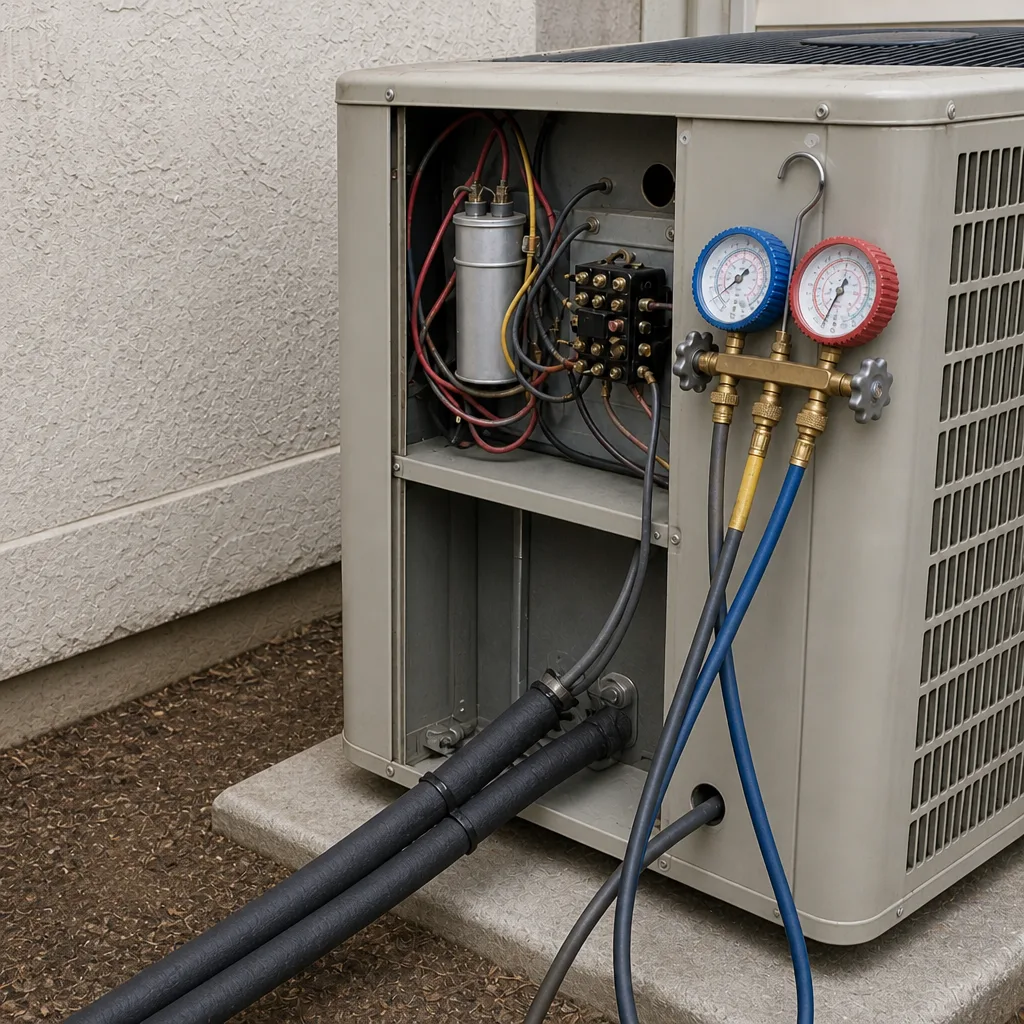
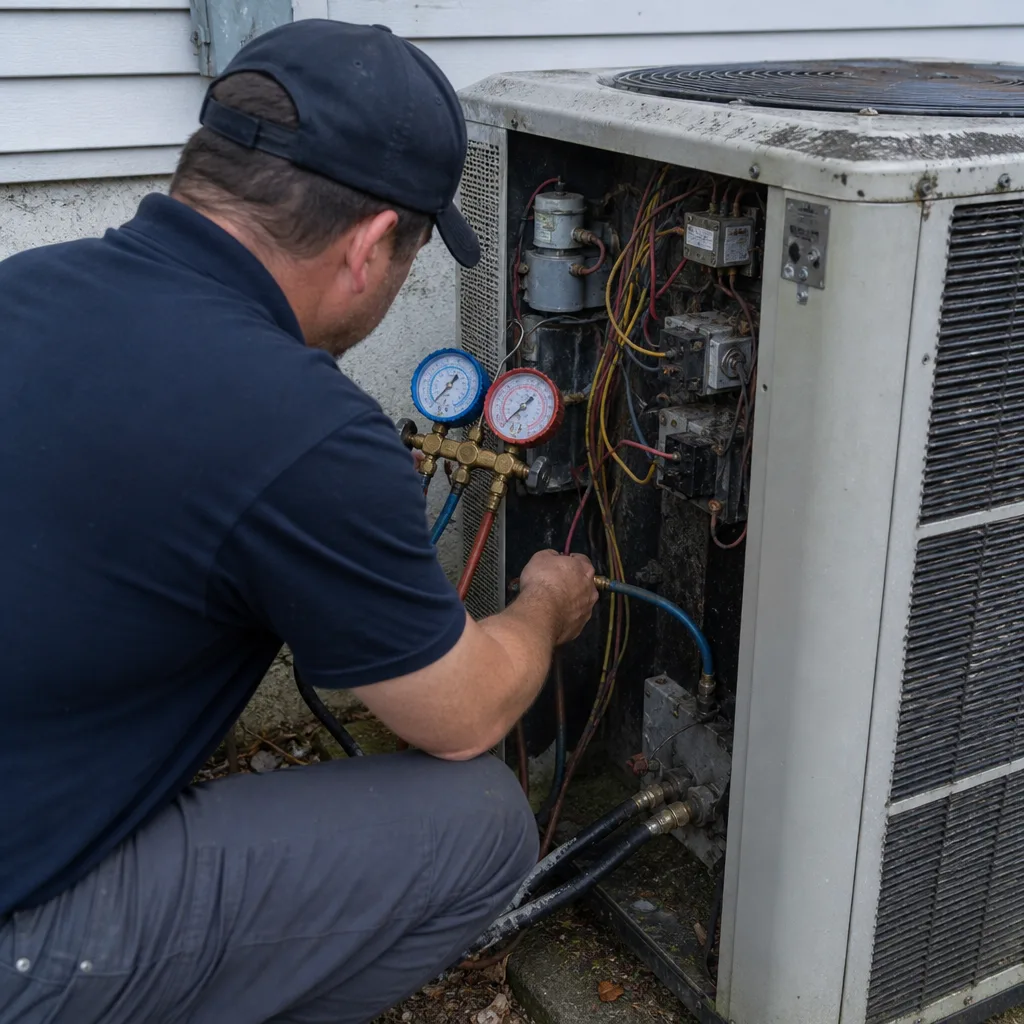
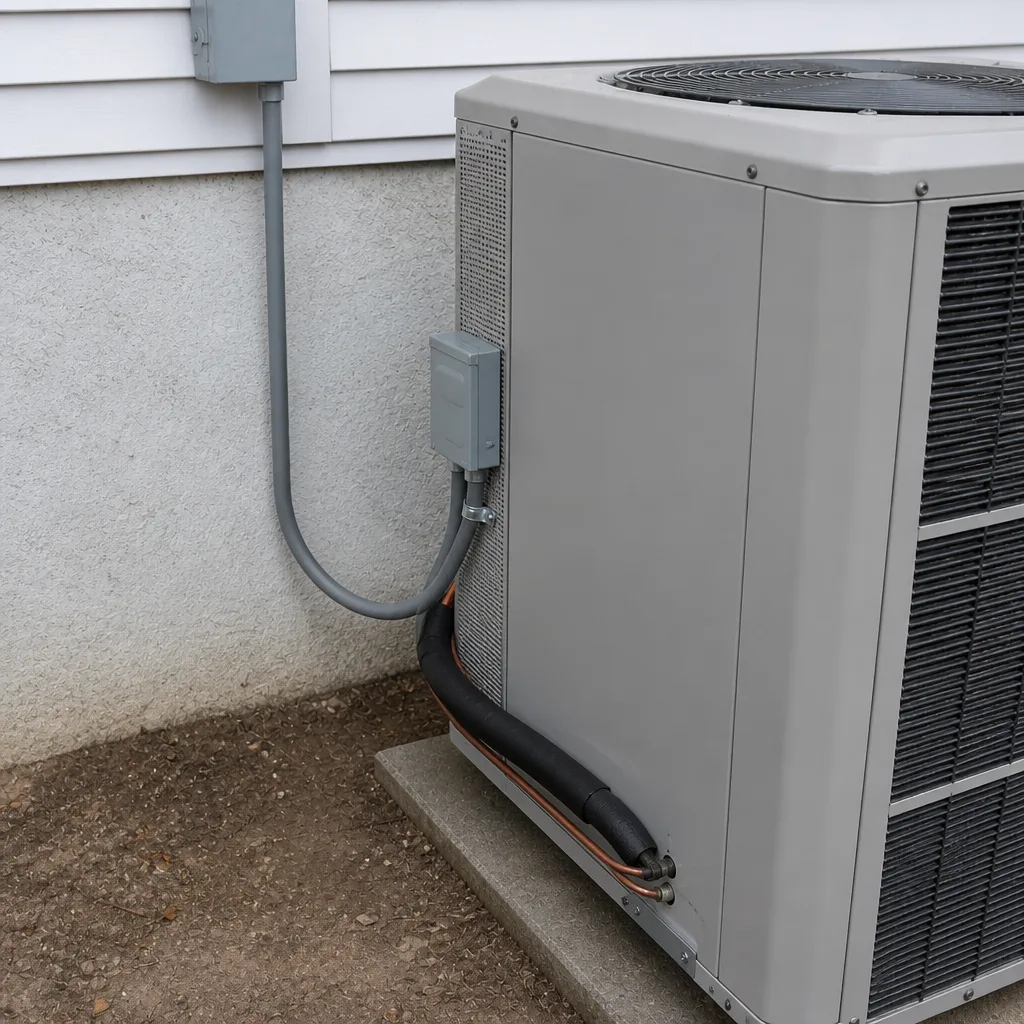
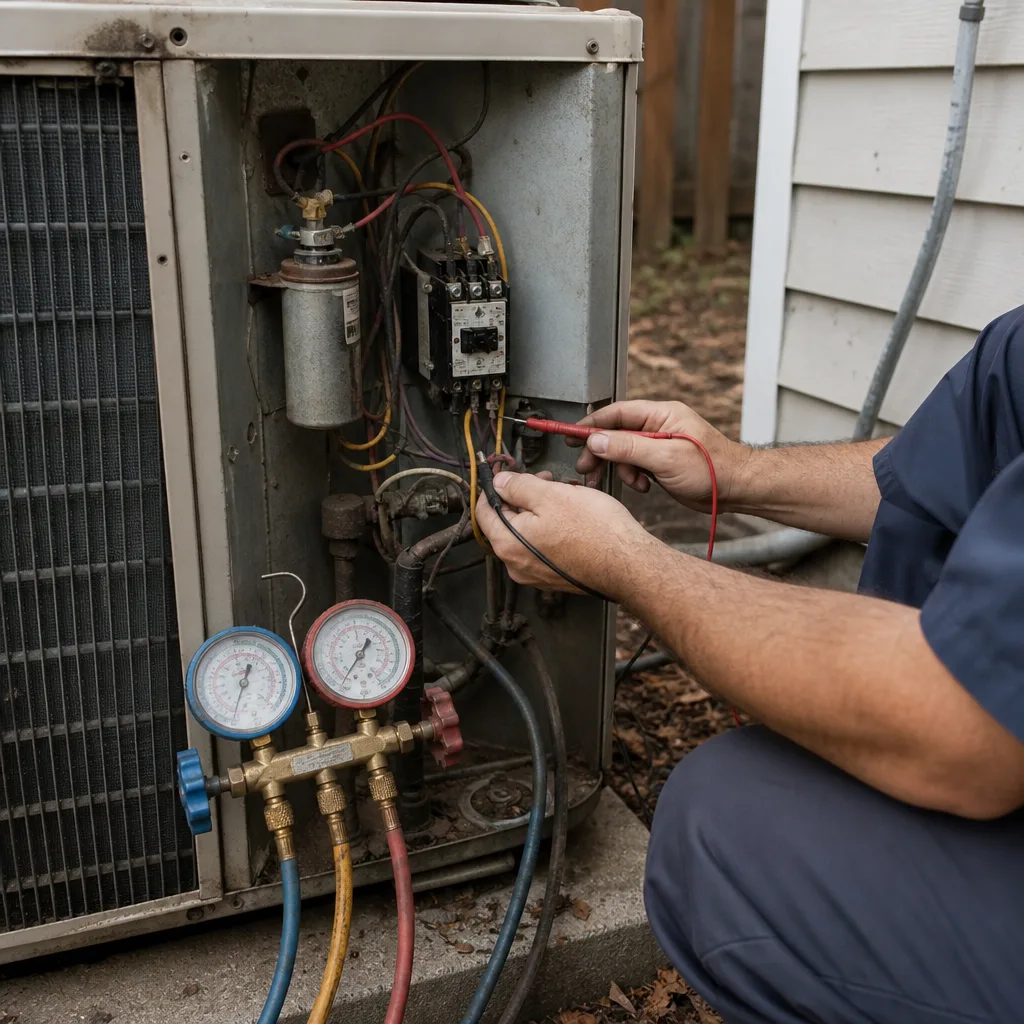
See the difference
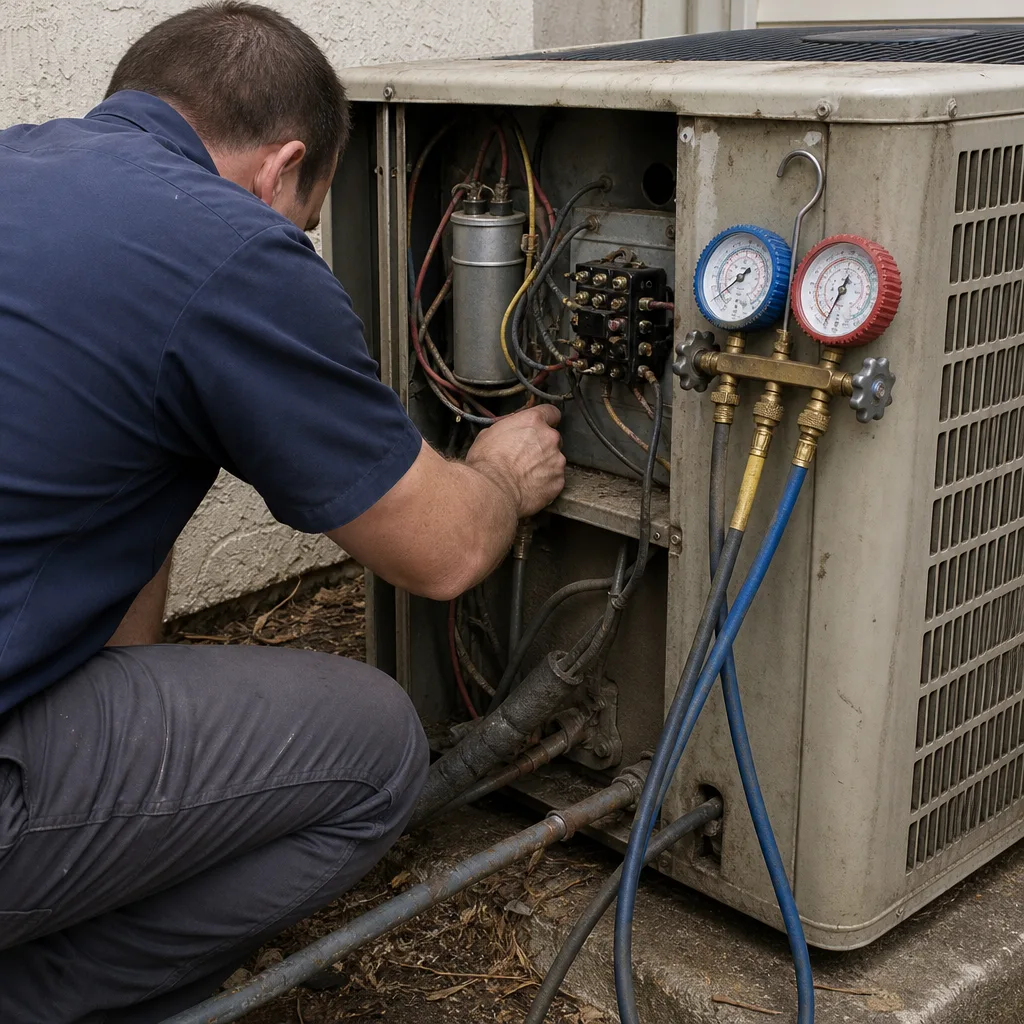 Before
 After
 Before
 After
 Before
 After
When to Call a Professional
Some problems are safe to check at home. Plenty are not. Call for service right away if you see ice on the refrigerant lines or indoor coil, hear hissing near the lines, smell anything burning or electrical, find the unit tripping a breaker more than once, see water where water shouldn’t be, or if the system simply won’t cool after a clean filter and a thermostat check. Also call if you want a system inspected before the hot season rather than after it fails.
Sentry AC Repair offers free estimates in Brandon, and the price is set per job by the written estimate, so you know the cost before we touch anything. Call (844) 638-9793. We answer 24/7. Fast dispatch from 7am to 7pm, Sunday through Friday.
Frequently Asked Questions
With the outdoor unit running and no cooling, the likely causes are low refrigerant from a leak, a restricted metering device, a dirty condenser coil, or a restricted indoor coil. Check the filter first. If that’s clean and there’s ice on the line, stop and call; refrigerant is a technician’s job and not something to try to top off at home. Call (844) 638-9793 for an exact quote; estimates are free.
A high-pressure trip on a hot afternoon is often the system protecting itself during peak load, and it can happen to a healthy system in extreme heat. The same trip in a cooler month points to a mechanical issue. Note the conditions and tell the technician; that context helps decide how urgent it is. Either way, get it checked so a small cause doesn’t become a compressor failure.
Turn the system off and let it thaw while you arrange service. Low refrigerant or a restriction is the likely cause, and running the system with ice can damage the compressor. Don’t chip at the ice or try to add refrigerant yourself. Call (844) 638-9793 for a free estimate to sort it out.
Look for mismatched or missing refrigerant port caps, a drain pan that isn’t seated or sloped right, unmarked or loose wire connections, or a condensate line that drains uphill. Any of these suggests the earlier repair didn’t finish the job. Tell the technician what you noticed; it changes where they look first.
We offer same-day service for repair calls, and we dispatch Sunday through Friday, 7am to 7pm. We answer 24/7, so call and we’ll get you booked into the next opening. Call (844) 638-9793 for an exact quote; estimates are free.
Repair makes sense when the failure is a single component with a clear cause. Replacement tends to be the better call when the same part keeps failing, repairs are stacking up, or refrigerant leaks keep returning. There’s no single number that decides it; the pattern does. Call (844) 638-9793 for a free estimate and we’ll walk you through the options.
The Bottom Line
Reading your AC like a technician means cross-referencing symptoms instead of reacting to a single clue. Warm air plus a running outdoor unit points to refrigerant or airflow. Weak airflow points to a filter or blower. A hum that won’t start points to electrical, a hiss to refrigerant, and a rattle to mechanical. In Brandon, the long cooling season drives wear on capacitors and mechanical parts, and the same safety trip means different things in August and October. You can safely check the filter, thermostat, and breaker. You should not touch refrigerant lines, ice, or electrical panels. When the clues add up to something you can’t safely fix, call (844) 638-9793 for a free estimate. We answer 24/7. Fast dispatch from 7am to 7pm, Sunday through Friday.
Written by the team at Sentry AC Repair.