
Last updated November 15, 2026
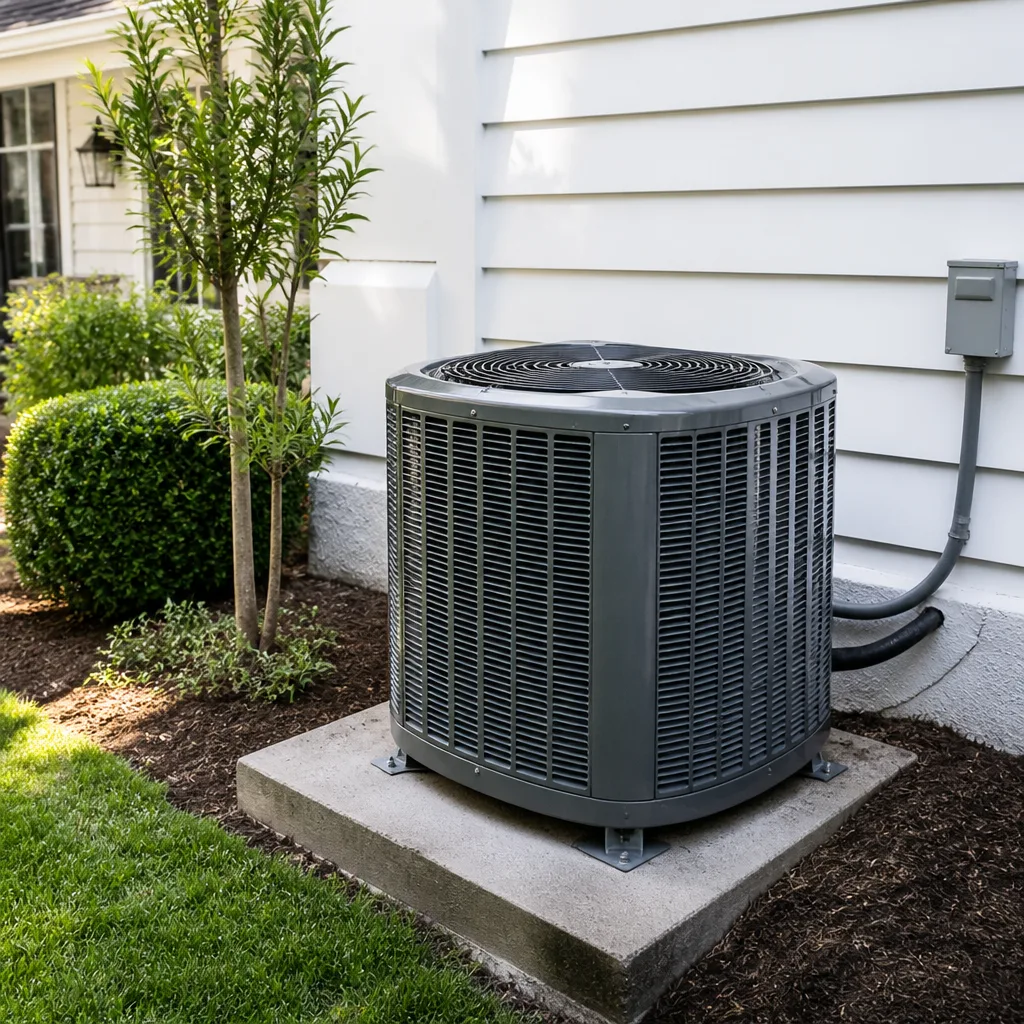 AC repair
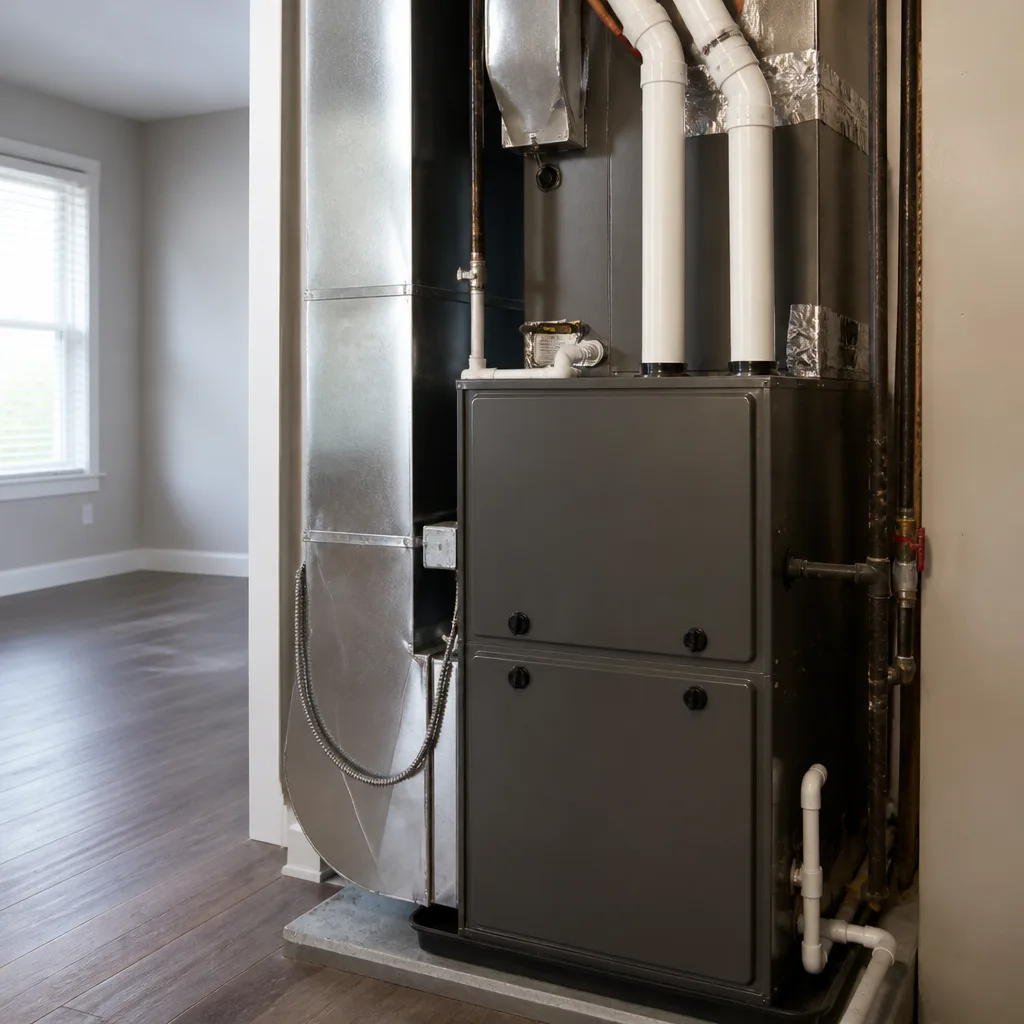 Furnace & heating
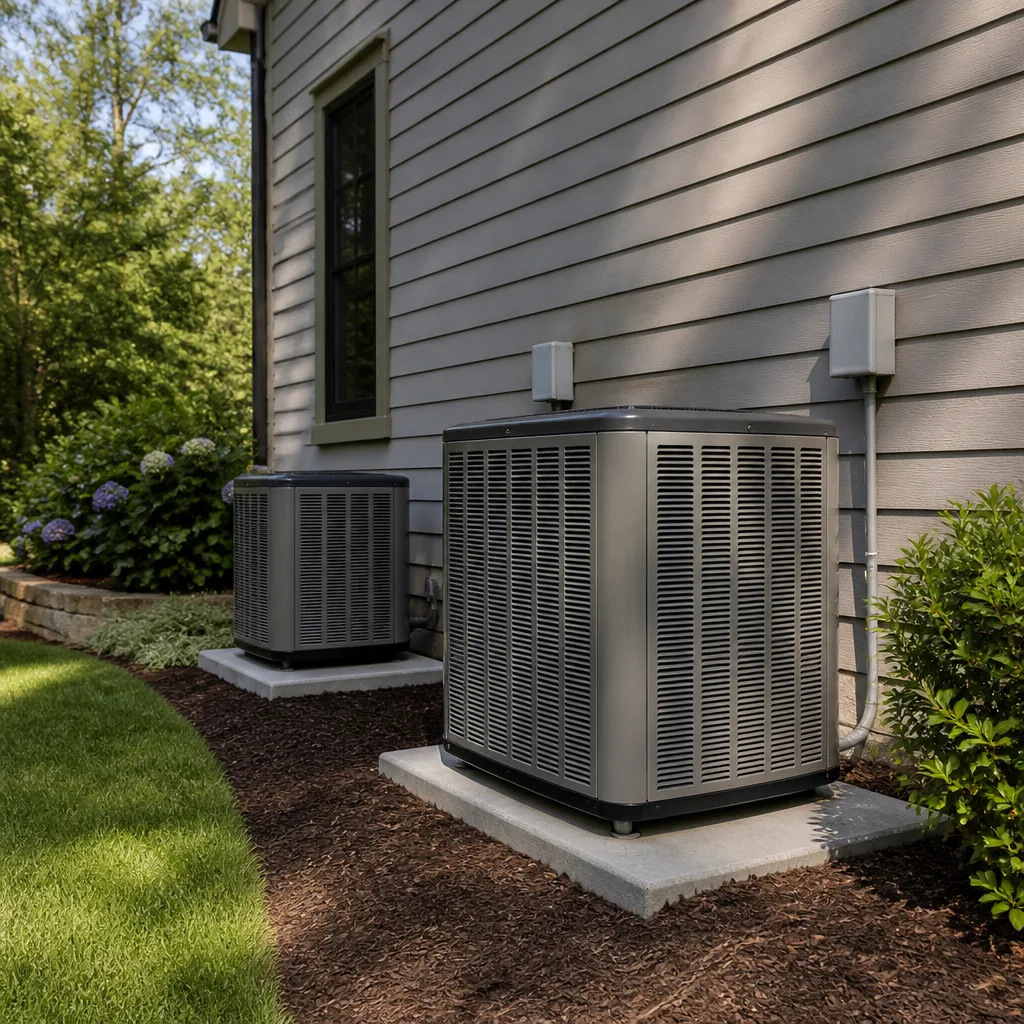 Heat pumps
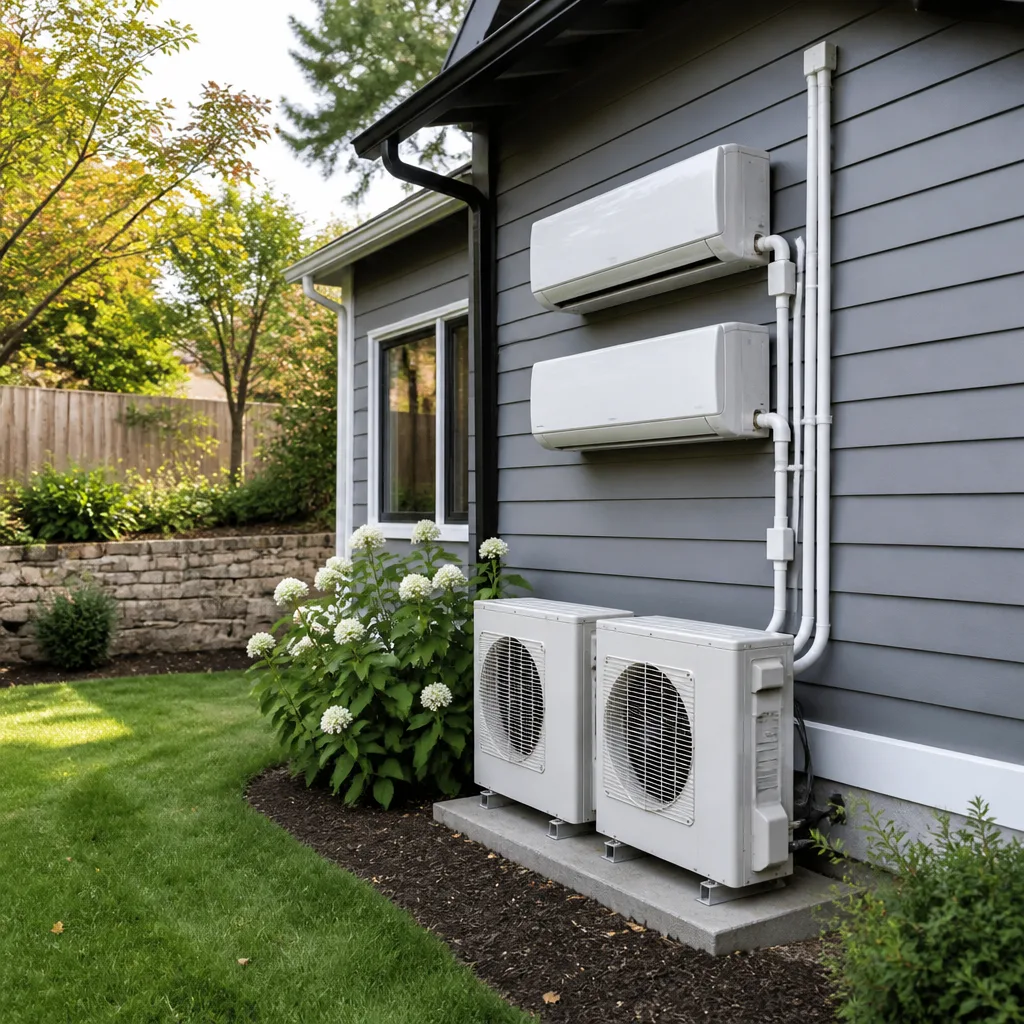 Ductless mini splits
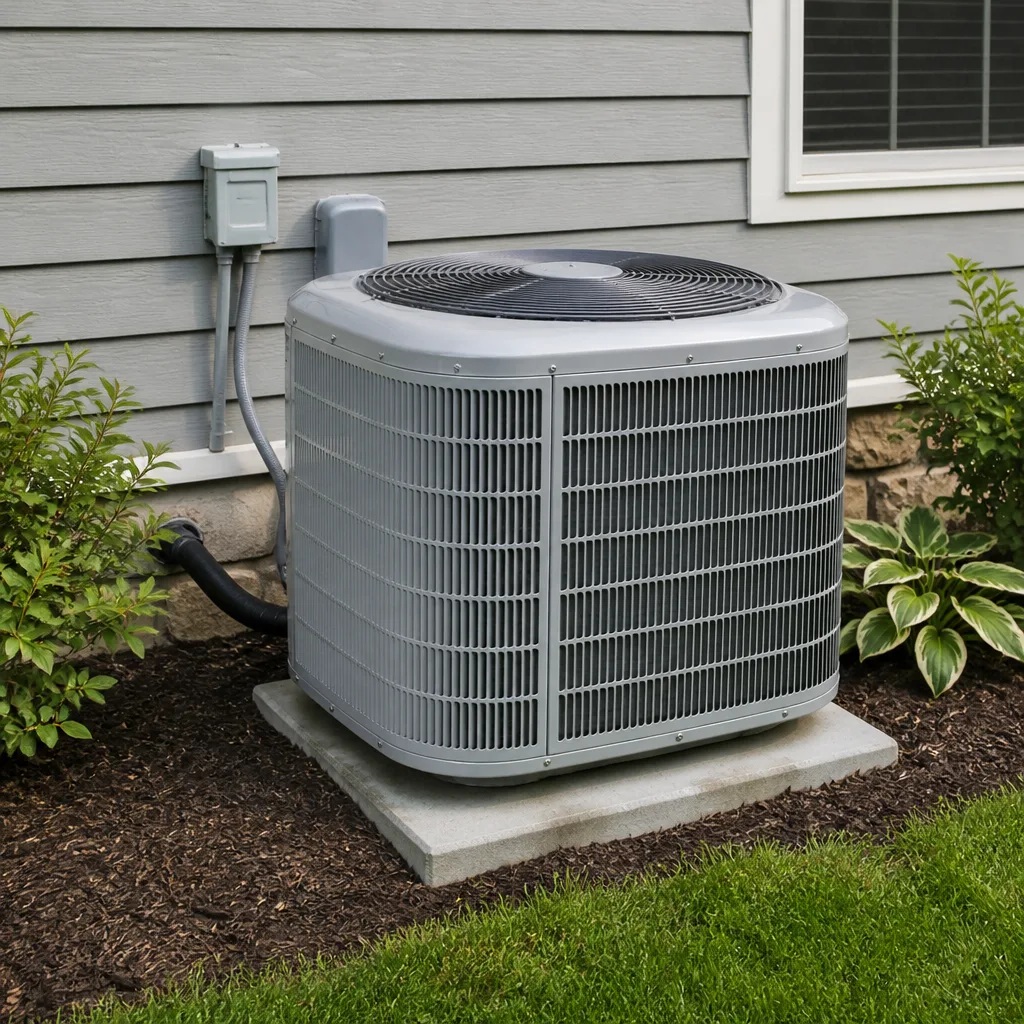 Carrier
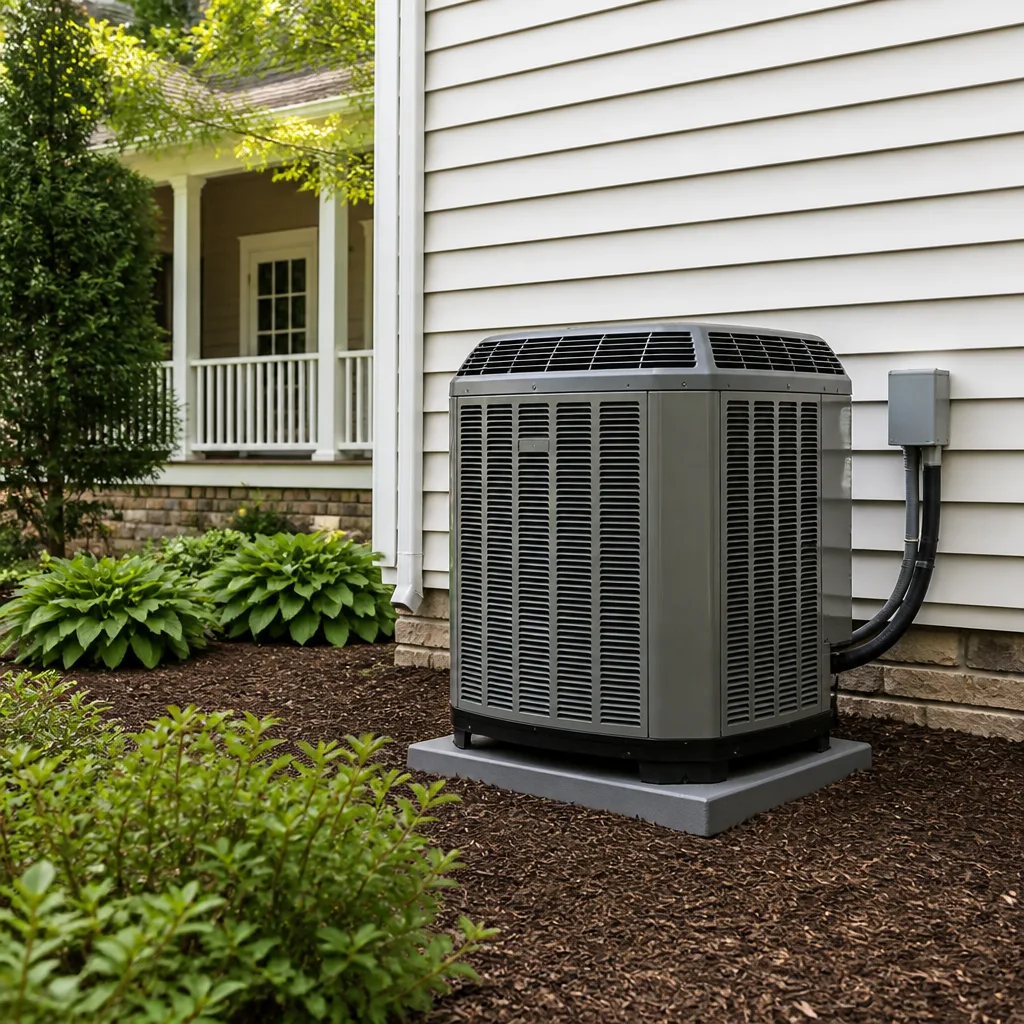 Trane
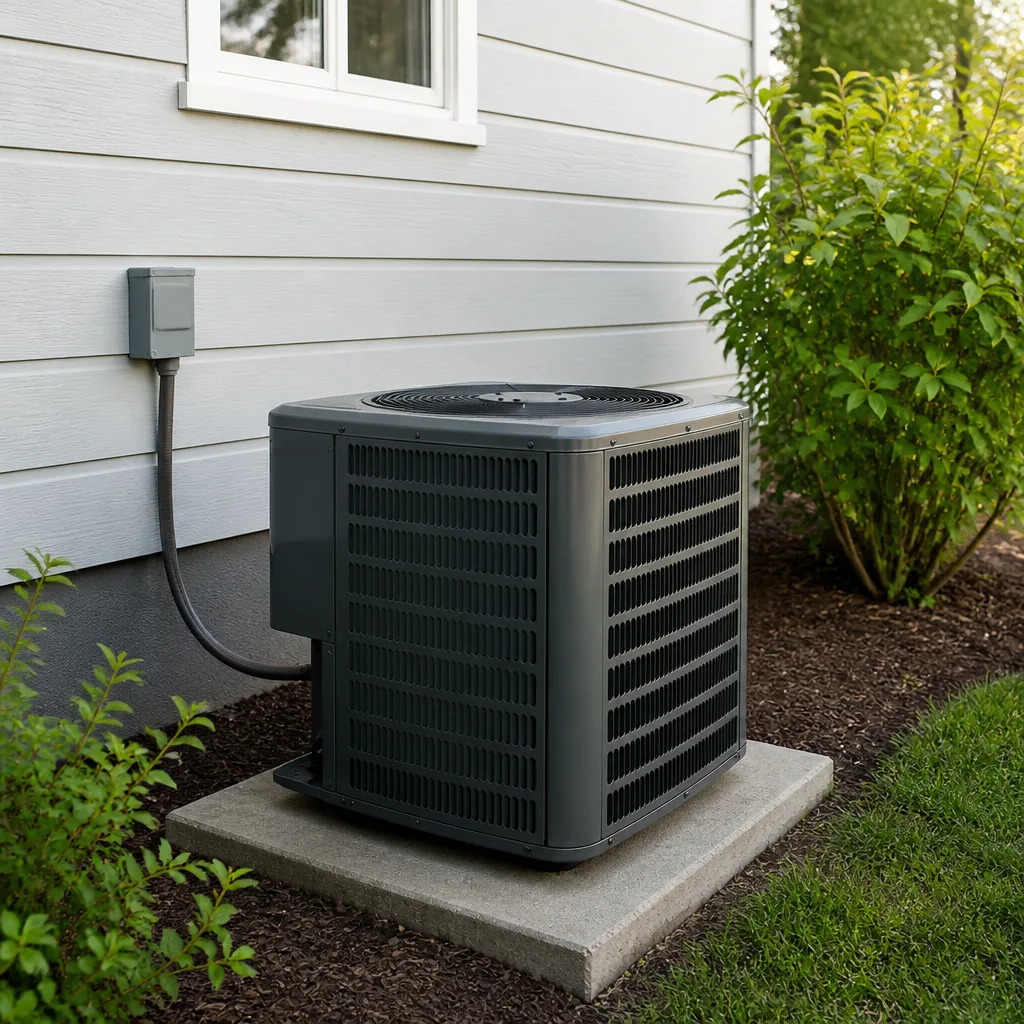 Goodman
Seasonal tune-up and full diagnostic on your Carrier, Trane, or Goodman system - readings shown to you before any repair is proposed
Diagnosis first, numbers second - you approve the repair price before a single part goes in.
Get your free estimateDIY vs Professional HVAC: The Brandon Homeowner’s Decision Guide
Most homeowners weigh DIY against a professional on price alone. In Florida, that’s the wrong math. The line that actually matters is legal: some HVAC tasks are restricted to licensed contractors under state law, and some involve refrigerants that fall under federal EPA rules. Cross that line unknowingly and you can void a manufacturer warranty or put a homeowner insurance claim in question, even when the repair itself worked fine. This guide walks through what you can legally do yourself in Brandon, what you can’t, where tool costs erase the savings, and how to read the warranty language that decides who performs the work. You’ll learn where DIY genuinely pays and where it quietly costs more.
Quick Answer
In Brandon, simple HVAC tasks like replacing a thermostat, swapping an air filter, cleaning the outdoor condenser coil, and resetting a tripped breaker are legal and reasonable for a homeowner to handle. Anything involving refrigerant handling, electrical work inside the air handler or compressor circuit, gas furnace components, or a permit requires a licensed professional. Refrigerant work in particular is regulated under Section 608 of the Clean Air Act, which makes DIY refrigerant charging a federal violation, not just a warranty problem. When in doubt, the answer is to call.
Styles & brands we work with
- AC repair
- Furnace & heating
- Heat pumps
- Ductless mini splits
- Carrier
- Trane
- Goodman
Table of Contents
- Where Florida Draws the Legal Line
- Why Brandon’s Climate Changes the Math
- What You Can Legally Do Yourself in Florida
- The Tool Cost Threshold That Kills the DIY Case
- The Warranty Clauses That Void Coverage
- A Risk Framework for Any HVAC Task
- Five DIY Tasks Worth Doing and Three That Backfire
- How Insurance Sees the DIY Repair
Where Florida Draws the Legal Line
Florida separates HVAC work into two regulatory categories: contractor licensing at the state level and refrigerant handling at the federal level. They’re governed by different agencies and they overlap. A homeowner can legally replace a thermostat. That same homeowner cannot legally recharge an air conditioner, no matter how many tutorial videos explain the process. The two rules come from different sources, which is why the confusion exists.
Under Florida law, an HVAC contractor license (either a Certified or Registered Air-Conditioning Class A or Class B license) is required to perform work on air-conditioning systems that involves the refrigerant circuit, electrical connections to the equipment, or installation of new equipment. Homeowners are generally permitted to perform routine maintenance and replaceable-component work on their own property, but the moment the task crosses into the sealed refrigerant system or the electrical supply, it becomes contractor work.
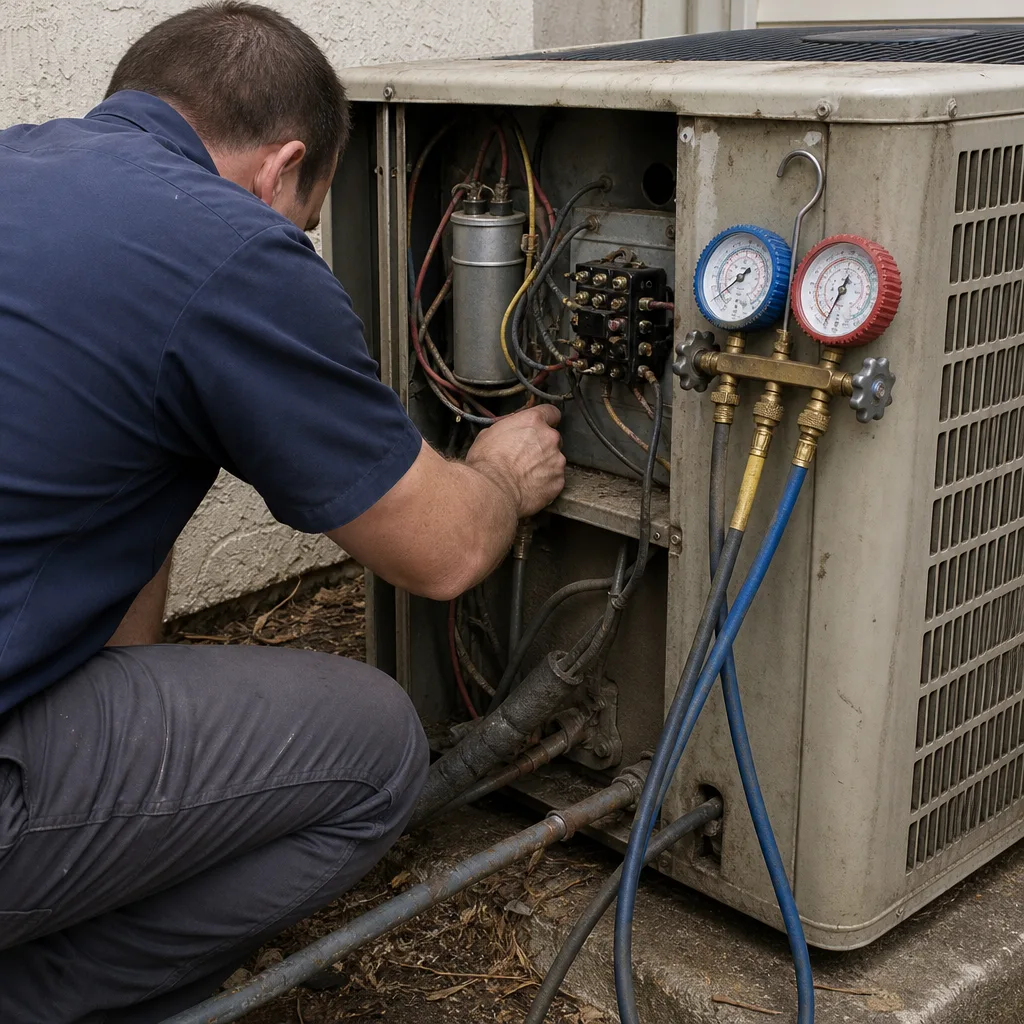
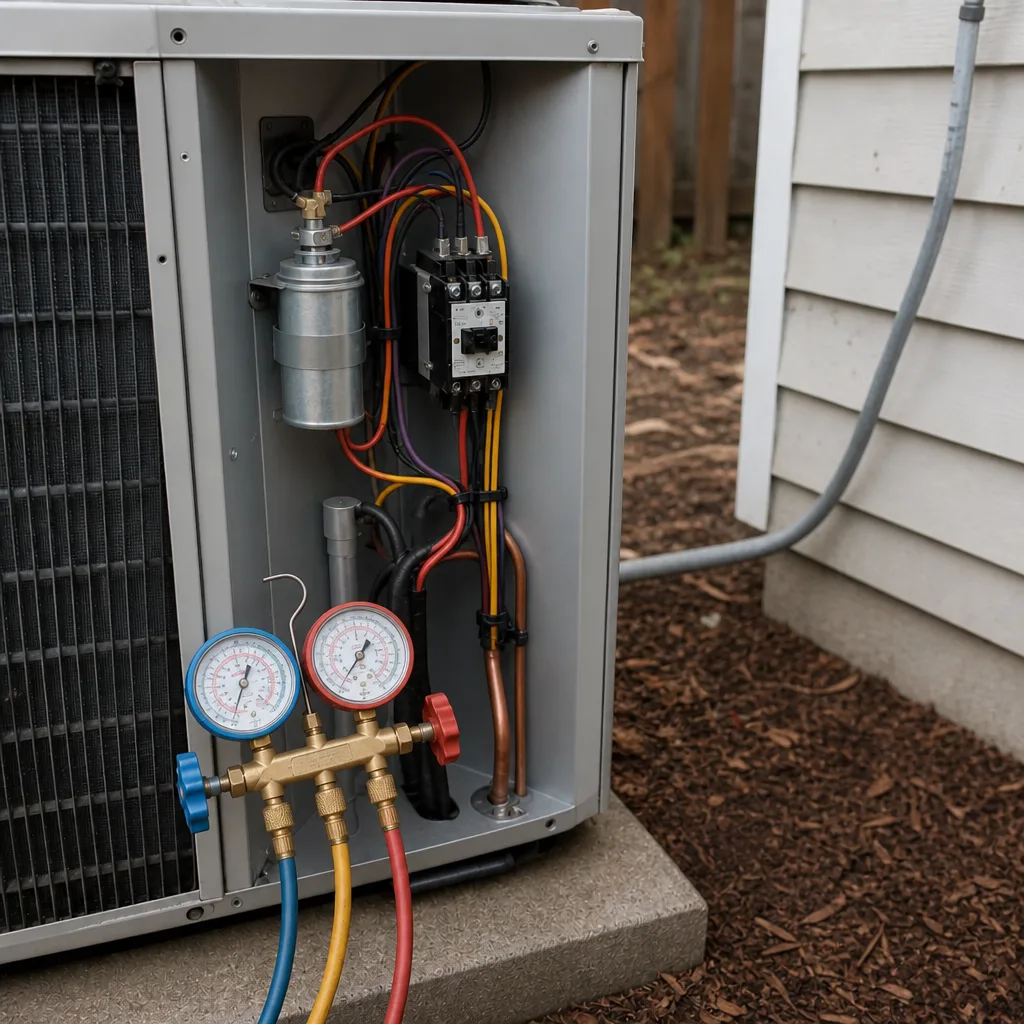
Section 608 of the Clean Air Act is the federal layer. It requires any person who handles refrigerants (adding, recovering, or disposing of them) to hold an EPA Section 608 certification. That rule applies regardless of who owns the equipment. A homeowner charging their own system with R-410A is technically in violation of federal law, and the equipment to do it properly (gauge manifold, vacuum pump, recovery machine) is also well outside a homeowner’s budget. The AC repair technicians we work with hold the certification required to touch refrigerant circuits, and it’s not something a homeowner can improvise.
New equipment installation adds a permit category. Replacing an entire condensing unit or air handler requires a permit from Hillsborough County or the City of Brandon building department, and permits are pulled by licensed contractors. An unpermitted install creates trouble at resale and can affect insurance.
Why Brandon’s Climate Changes the Math
Brandon sits in a subtropical climate with a long cooling season. That fact reshapes the DIY calculation in three specific ways. First, the system runs more hours per year than in most of the country, so parts wear faster and the odds of a failed capacitor or contactor in any given summer are high. Second, mild winters mean furnace usage is limited, so the HVAC questions Brandon homeowners ask skew heavily toward the cooling side. Third, humidity is relentless, and humidity is the variable that makes some “simple” DIY mistakes expensive.
Here’s the humidity problem. A condenser coil that isn’t cleaned regularly in Brandon drags the system down on efficiency, which means longer runtimes, which means less dehumidification per unit of time, which means a home that feels clammy even when the thermostat says 74. Homeowners who skip coil cleaning because it seems like a minor maintenance item often end up paying for a technician visit anyway, and the visit is more expensive than the cleaning would have been.
The mild winter also makes furnace work look deceptively optional. A gas furnace that hasn’t been looked at in three seasons may run fine for two winters and then fail on the coldest night of the third. Furnace repair is a distinctly different service from cooling work, and the two need different habits. We work alongside technicians fluent in equipment from Rheem, York, and Bryant, and in our experience the furnace visits that turn into replacements are usually the ones where nobody looked at the unit for years.
Finally, Brandon’s housing stock includes a lot of homes built across several decades, which means the equipment in any given house could be nearly new or well past its expected service life. The answer to “should I DIY this?” depends partly on the age of the system, and that’s a number most homeowners know less accurately than they think.
What You Can Legally Do Yourself in Florida
These are the tasks a Brandon homeowner can legally perform on their own HVAC equipment without a contractor license and without a Section 608 certification. None of them touch the refrigerant circuit or the electrical supply. Most of them are routine.
- Replace the air filter. Pull the old filter, match the size (it’s printed on the frame), slide the new one in with the airflow arrow pointing toward the equipment. Do this before every cooling season and again mid-summer in Brandon.
- Replace a thermostat. A low-voltage thermostat swap is legal for a homeowner. Turn off the air handler breaker first, photograph the wire terminals, and swap the wiring one-for-one. Programmable and smart thermostats fall in this category; line-voltage thermostats on electric baseboard heat do not.
- Clean the outdoor condenser coil. With the power off at the breaker, rinse the coil fins from the inside out with a garden hose. Do not use a pressure washer, which bends fins. Keep the area around the unit clear of debris and vegetation.
- Straighten bent condenser fins. A fin comb or a plastic comb will do it. This is cosmetic in most cases but improves airflow.
- Reset a tripped breaker. If the outdoor unit’s breaker is tripped, resetting it once is reasonable. If it trips again, stop and call a professional.
- Clear the condensate drain line. Find the PVC drain coming off the indoor coil, and if it’s clogged, a wet-dry vacuum on the outdoor end or a stiff brush in the indoor cleanout often clears it. In Brandon’s humidity, this is one of the most common reasons a system stops cooling.
- Vacuum accessible return grilles and supply registers. Dust buildup on the return side restricts airflow and is easy to address.
That’s the safe list. Everything else on the system involves either refrigerant, line voltage, gas, or a permit, and falls into professional territory. If you’re already looking at AC installation because the equipment is beyond a fix, the licensed path is the only one.
The Tool Cost Threshold That Kills the DIY Case
Every legitimate DIY task has a hidden price: the tools. For a filter change or a thermostat swap, the tool cost is near zero. For anything that touches the refrigerant circuit or the electrical supply, the tool bill can exceed the repair cost by a wide margin. That gap is where the DIY argument usually collapses.
Here’s a rough look at what the tooling costs in each category:
- Filter change: $0 in tools. A filter costs whatever the filter costs, and a screwdriver you already own handles the grille if it’s screw-mounted.
- Thermostat swap: Basic screwdriver, wire stripper if the wires need trimming, and a phone to photograph the old wiring. Under $30 in most households, often nothing.
- Condenser coil cleaning: Garden hose, soft brush, coil cleaner spray ($15-$30). Fin comb adds $10-$20 if you want one. All reasonable.
- Capacitor replacement: A multimeter with capacitance function runs $40-$100, the capacitor itself is around $10-$25, and you’ll want a properly rated insulated screwdriver. That’s $50-$150 in tooling for a task where a technician visit is often not much more, and the tooling sits in a drawer until the next capacitor fails.
- Refrigerant handling: EPA-certified. A gauge manifold, vacuum pump, recovery machine, and refrigerant scale run into the hundreds and, more importantly, you can’t legally use them without Section 608 certification. This is where the tool threshold becomes a legal threshold.
- Contactor, blower motor, or control board swap: Voltage-rated meters, insulated tools, and specific torque specs on terminal lugs. The tool cost is moderate; the risk cost is high.
The pattern is simple. Tasks that need a meter, a licensed capability, or a permit are not tasks that save money at the homeowner level. Tasks that need nothing but a filter and a hose are worth doing.
The Warranty Clauses That Void Coverage
Manufacturer warranties vary, but most major brands include language in their consumer warranty booklet that conditions coverage on proper installation and service by a qualified contractor. The exact wording varies by brand, model, and warranty tier, but the pattern is consistent across manufacturers of residential HVAC equipment.
Three warranty conditions come up most often:
- Installation by a licensed contractor. Most warrants require the initial install to be performed by a licensed HVAC contractor and documented. A system installed by a homeowner, even correctly, may not be eligible for the labor warranty or, in some cases, the parts warranty on certain components.
- Service by qualified personnel. Language like “damage caused by improper service or maintenance performed by unqualified persons” appears in many warranties and gives the manufacturer grounds to deny a claim if a component failure traces back to a homeowner repair.
- Refrigerant handling compliance. Because federal law requires EPA certification for refrigerant work, a manufacturer’s warranty can generally deny claims tied to homeowner refrigerant handling, and there’s a clear legal violation to point to.
The warranty clauses are read at the moment of a failure, not the moment of the repair. A Brandon homeowner who replaces a capacitor in July may not think about warranty until the compressor fails in the following June. At that point a manufacturer’s claims department is going to ask who last opened the equipment, and the homeowner has to answer honestly. When a technician with EPA 608 certification and the appropriate Florida license did the work, the paperwork is clean. Homeowners who installed their own equipment often find the documentation they need simply doesn’t exist.
We’ve seen enough of these conversations to be blunt: a $12 DIY capacitor swap is not worth a $2,000 warranty fight later. If the equipment is under a warranty, treat contractor service as an insurance policy on the coverage itself.
A Risk Framework for Any HVAC Task
Before you start any HVAC task in Brandon, run through this four-question test. If you answer “yes” to any of them, call a professional. If you answer “no” to all four, it’s likely a task you can handle.
- Does the task touch refrigerant? If the answer involves gas, refrigerant gauges, recovery equipment, or a sealed circuit, it’s contractor work and EPA-regulated. Stop.
- Does the task involve line voltage (240V) or the electrical supply? Capacitors, contactors, compressors, blower motors, and control boards all sit on or near line-voltage circuits. Even a capacitor can hold a lethal charge after the breaker is off. A technician with the right meter and the right training discharges it correctly; a homeowner usually does not.
- Does the task require a permit? In Brandon, full system installation, equipment replacement, and most gas line connections require a permit. Permits are filed by licensed contractors and inspected by the county or city. DIY work that should have been permitted can cause trouble at resale.
- Does the task require a warranty-critical signature? If the equipment is still under a manufacturer warranty, ask whether the repair qualifies as “qualified service” under your warranty paperwork. If it doesn’t, the repair cost may be lower than the risk of voiding coverage.
One more variable to weigh: system age. On equipment that’s nearing end of life, a homeowner repair is a slightly different calculus than on equipment with many years ahead of it. The decision framework still holds, but a homeowner with an older system may be better off putting the money toward a professional diagnosis rather than spending it on parts, because a technician visit will tell you when the repair stops making financial sense and replacement starts being the right answer. In our work in Brandon, that conversation comes up more often than any other. Your system isn’t the right one to gamble with.
Five DIY Tasks Worth Doing and Three That Backfire
Here are the specific tasks worth handling yourself in Brandon, in the order that gives you the most benefit for the least risk:
1. Filter changes on a schedule
Every 60-90 days during cooling season, and again when the seasons shift. Brandon’s pollen and dust load means the filter clogs faster than in drier climates. A filter change is free of risk, costs a few dollars, and protects the equipment from the most common early failure.
2. Cleaning the outdoor condenser coil
Once in early spring, then again midsummer if the unit sits near a fence or vegetation. A garden hose rinse, done with the breaker off, is enough.
3. Clearing the condensate drain
A wet-dry vacuum on the outdoor drain line once at the start of the cooling season, plus an occasional flush, prevents one of the most common stops. Skip this and the system will shut down on a float switch or the pan will overflow. Both are avoidable.
4. Thermostat replacement when the old one fails
A failed thermostat is a common summer failure, and swapping one is a legitimate homeowner task. Do the breaker off, photograph the wiring, and match the wire colors exactly.
5. Keeping the outdoor unit clear
Trim vegetation back to at least two feet, clear debris from the top after a storm, and don’t stack anything against the unit. This is maintenance, not repair, and it matters.
Now the three that look simple but backfire:
Task that backfires: capacitor replacement
Cheap part, cheap meter, and a video that makes it look easy. But capacitors hold a charge after power is off, and getting the microfarad rating, the terminal orientation, and the mounting wrong can damage the compressor. A wrong-value capacitor is worse than no capacitor because it lets the compressor run under the wrong electrical conditions.
Task that backfires: refrigerant “topping off”
This is the one that gets homeowners into federal trouble. It is also the one that hides the actual problem. A system that’s low on refrigerant has a leak, and adding refrigerant without finding the leak means the system will be low again in weeks. The refrigerant adds no value; the leak diagnosis is the real repair.
Task that backfires: contactor or control board replacement
Both involve line voltage and precise component matching. A miswired control board can burn the compressor, and the compressor is the single most expensive part in the system. The part cost plus the tool cost plus the risk is genuinely above the cost of a professional diagnosis and repair.
How Insurance Sees the DIY Repair
Homeowner insurance is not wired to scrutinize every HVAC repair, but it does care about causation. When a claim arises from a fire, water damage, or injury that traces back to unpermitted or improperly performed work, the insurer has grounds to investigate who performed the work and whether the resulting damage is covered. In practice this means a homeowner who attempted a repair and caused a problem may find the claim covering the resulting damage gets denied or reduced.
The specific risks:
- Fire from an electrical repair. If a homeowner-caused wiring problem starts a fire, the insurer’s investigation will look for evidence of unpermitted work. That can complicate the claim.
- Water damage from a condensate mishandling. A drain line left improperly connected or a pan not properly set is a common source of ceiling stains in Brandon homes. This rarely causes an insurance denial, but it’s a cost the homeowner absorbs.
- Injury on the property. If a homeowner is injured performing HVAC work, some homeowners policies treat it differently than if a contractor is injured, and the liability picture changes.
The cleanest insurance position is the one where a licensed contractor performed the work and pulled permits where required. That documentation lives with the property and matters at sale. Homeowners in Brandon who sell within a few years of buying an HVAC repair should assume their buyer’s inspector will ask who did the work.
Common Mistakes to Avoid
- Assuming “it’s just a capacitor.” This is the single most common DIY assumption. It’s cheap, it looks easy in a video, and it’s the one home repair that most often results in a follow-up call after a second failure. The capacitor value matters, and getting it wrong damages the compressor.
- Recharging without finding the leak. Adding refrigerant to a system that’s low addresses the symptom. Federal law and manufacturer warranty both prohibit homeowner refrigerant handling, and the leak doesn’t fix itself. A technician is going to find it either way; finding it the first time is cheaper.
- Skipping the filter change when the system still cools. A clogged filter in Brandon is the most common cause of frozen coils and shortened equipment life. It doesn’t announce itself until the system stops cooling.
- Installing new equipment without a permit. A homeowner who installs a system without the required permit creates a problem at sale, and the buyer’s lender may require remediation. The permit is part of the install cost.
- Doing a repair during a warranty period. If the equipment is under warranty, the cheapest-looking repair may be the most expensive one on the back end. Check the warranty paperwork first.
- Assuming the “nice weather” means furnace maintenance can wait. Brandon’s mild winters mean furnace problems can stay hidden for years, then fail on the coldest night. A furnace that hasn’t been looked at in several seasons is worth a professional visit.
- Trusting a YouTube diagnosis over a technician diagnosis. Tutorials show the same repair on a generic system, not the Rheem, York, or Bryant equipment in your home. Model-specific differences matter, and a diagnosis based on a video is a guess.
See the difference
 Before
 After
 Before
 After
 Before
 After
When to Call a Professional
Call a professional any time the task touches refrigerant, line voltage, gas, a permit, or the manufacturer’s warranty. Call when the system has stopped cooling entirely and you don’t know why. Call when the breaker trips twice in a row. Call when the system is under warranty, because the paperwork you don’t have is the problem you don’t see. Call when you’ve already tried a DIY repair and the system is doing something new.
For most Brandon homeowners, those conditions cover a significant share of HVAC situations. The tasks worth doing yourself are real, but the list is short. Sentry AC Repair offers free estimates in Brandon. The team works on equipment from Carrier, Trane, Lennox, Goodman, Rheem, York, Daikin, Bryant, and American Standard, and the approach is repair-first: our job is to protect the system you already have, not push you toward a replacement you don’t need. Call (844) 638-9793. We answer 24/7. Fast dispatch from 7am to 7pm, Sunday through Friday.
Frequently Asked Questions
No. Recharging an air conditioner requires EPA Section 608 certification under the Clean Air Act, regardless of who owns the equipment. Doing it without that certification is a federal violation. A system that needs refrigerant also has a leak, so the real repair is finding the leak, and that’s contractor work. Call (844) 638-9793 for a diagnosis; estimates are free.
Usually not. The capacitor itself is cheap, but the meter, the insulated tools, and the risk of getting the microfarad rating wrong push the real cost close to what a technician visit costs. A misvalued capacitor can damage the compressor. The savings are small and the downside is large. Call us for an exact quote on the repair; estimates are free.
Often, yes. Most manufacturer warranties condition coverage on proper installation and service by qualified personnel, and they can deny claims where homeowner work contributes to a failure. The exact wording varies by brand and model, so check the warranty booklet for your equipment before you start. If you’re not sure, a professional repair protects the coverage.
Yes. Full system replacement and equipment installation in Brandon require a permit from the local building department, and permits are pulled by licensed contractors. Skip it and you can create a problem at resale or during an insurance claim. The permit is part of the installation cost, not an add-on.
Filter changes, condenser coil cleaning, condensate drain clearing, thermostat swaps, and keeping the outdoor unit clear of vegetation. All of these are legal, low-risk, and genuinely useful in Brandon’s long cooling season. Everything else crosses into refrigerant, line voltage, gas, or permit territory.
Estimates are free, and the price for a repair is set by the written estimate for your specific job. There’s no fee to tell you what the problem is. Call (844) 638-9793 with the model number and what the system is doing, and we’ll get you scheduled. We answer 24/7, with fast dispatch from 7am to 7pm, Sunday through Friday.
The Bottom Line
The DIY-vs-professional question in Brandon comes down to category. Filter changes, coil cleaning, condensate drain clearing, thermostat swaps, and clearing the unit’s surroundings are yours to handle and worth doing. Anything touching refrigerant, line voltage, gas, permits, or an active warranty is contractor work, and the savings from attempting it usually aren’t real once tool cost, warranty risk, and insurance exposure are counted. Florida’s licensing rules and the federal Section 608 requirements are the line. Understand where they sit before you open the panel, not after.
When something looks like it might cross that line, a call is cheaper than the alternative. Sentry AC Repair works on your system, not against your budget, and we service the nine brands most Brandon homes already have installed. Call (844) 638-9793. We answer 24/7. Fast dispatch from 7am to 7pm, Sunday through Friday. Estimates are free.
Written by the team at Sentry AC Repair.