
Last updated November 15, 2026
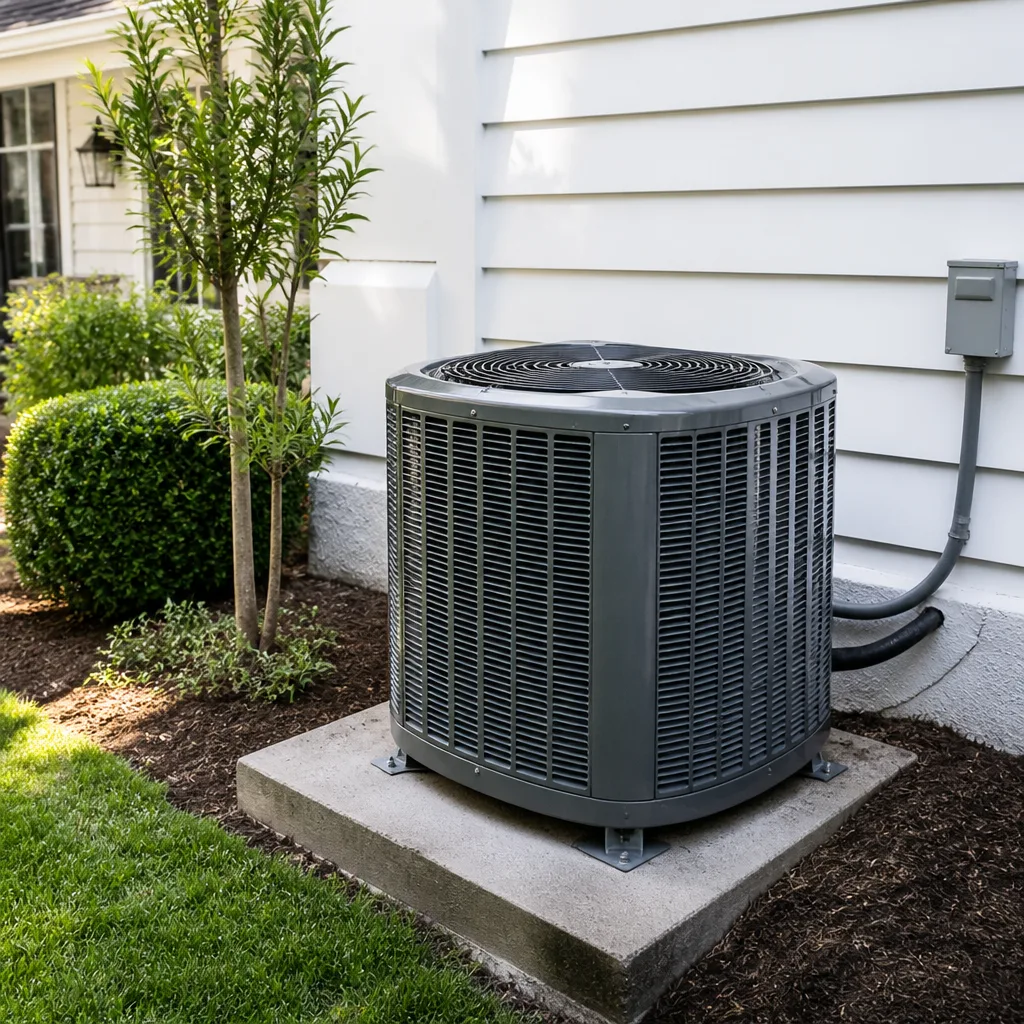 AC repair
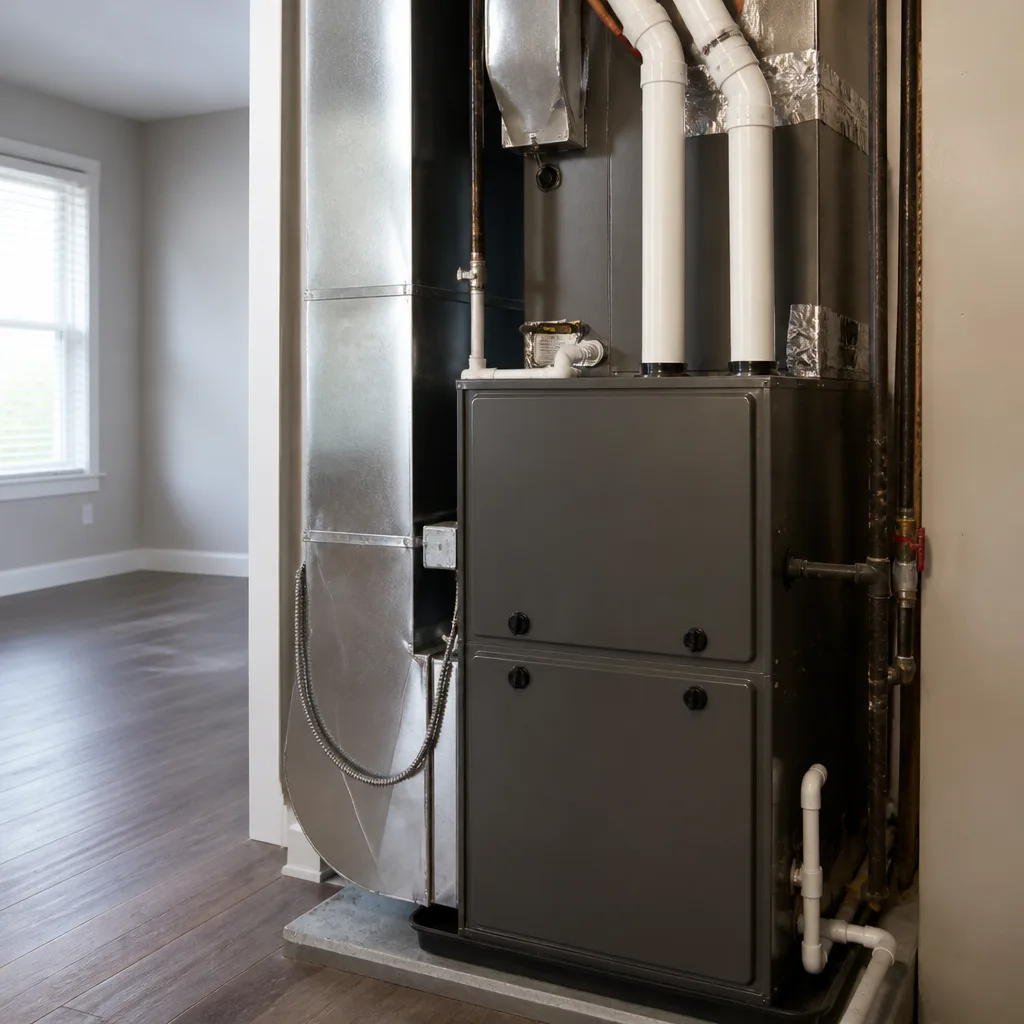 Furnace & heating
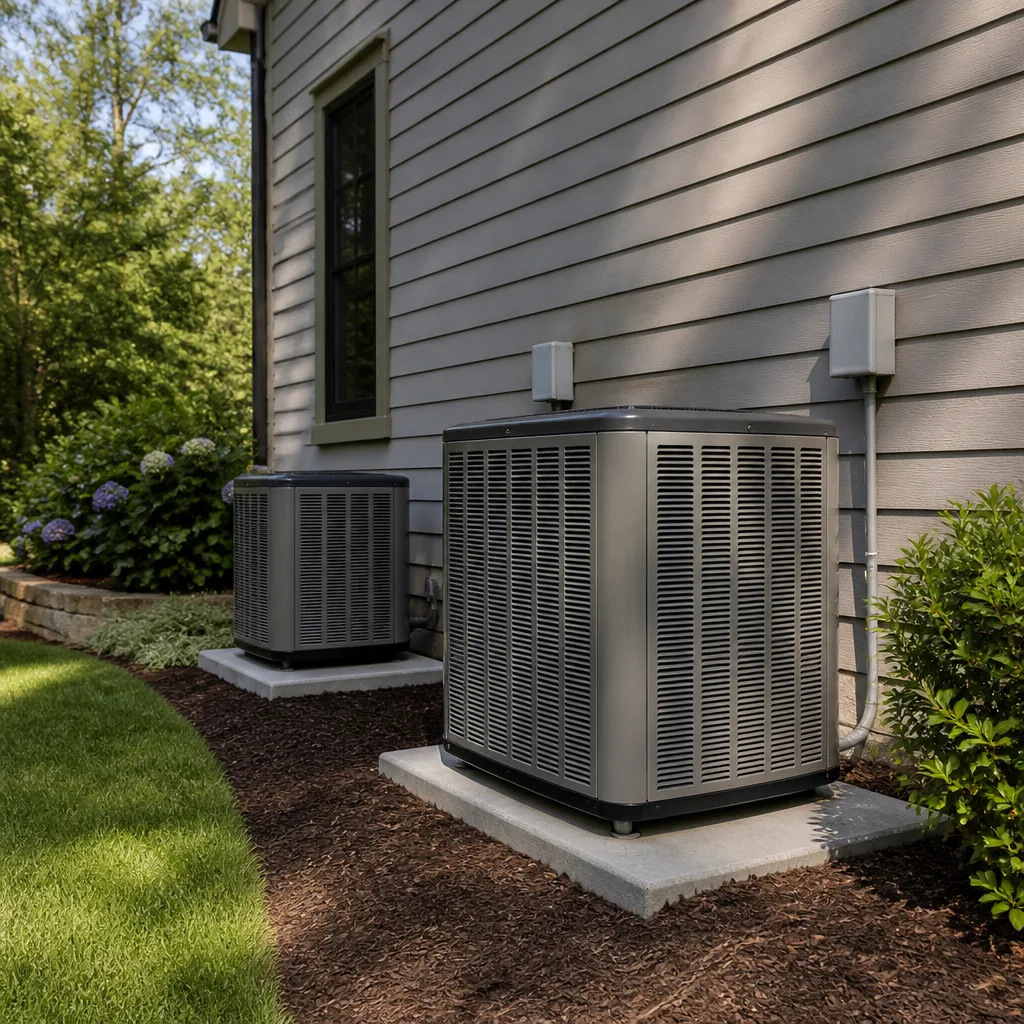 Heat pumps
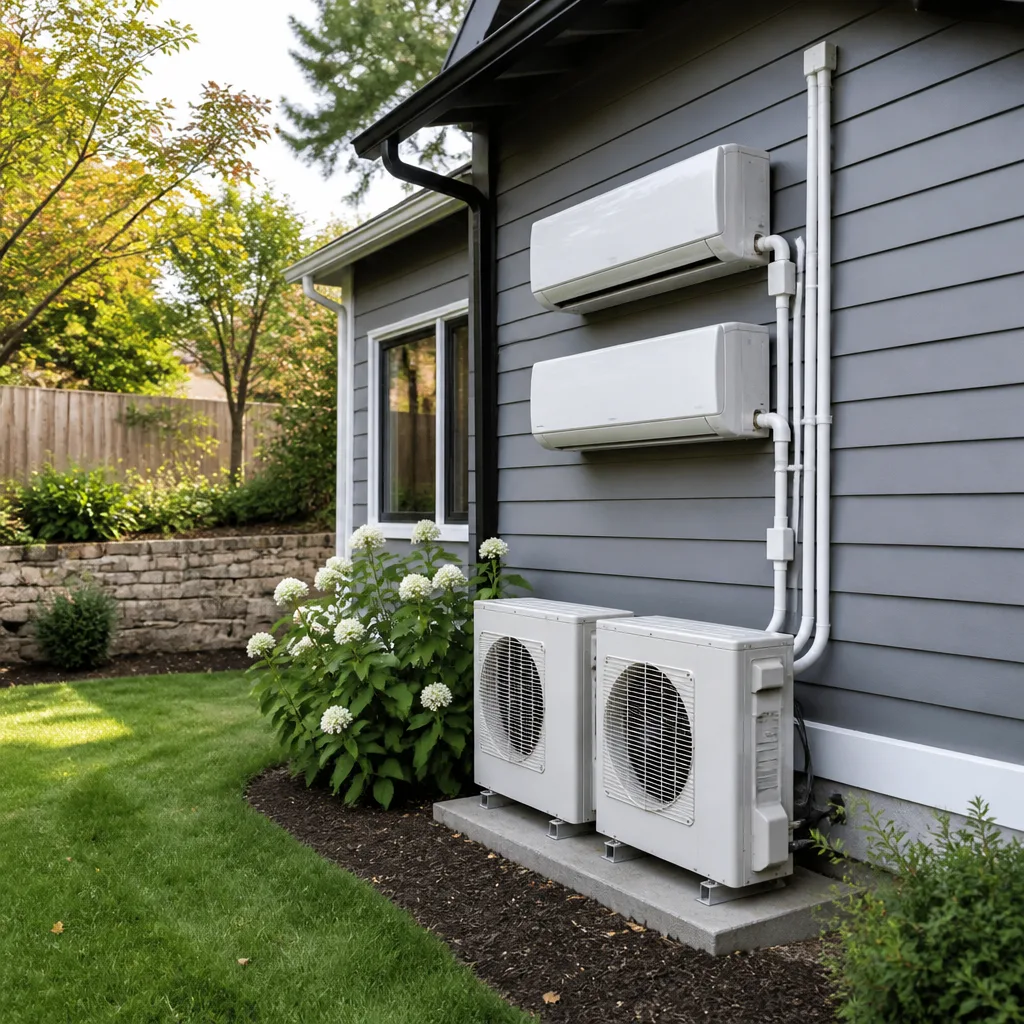 Ductless mini splits
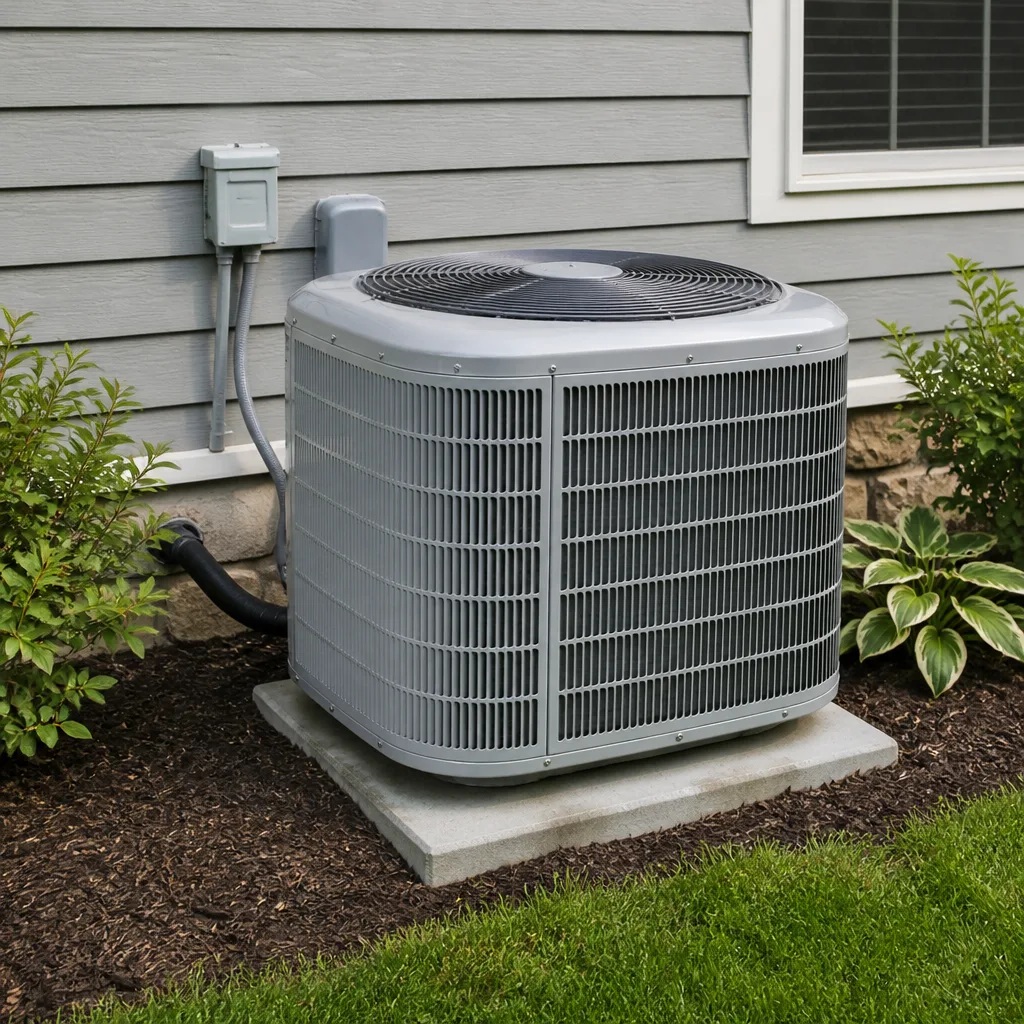 Carrier
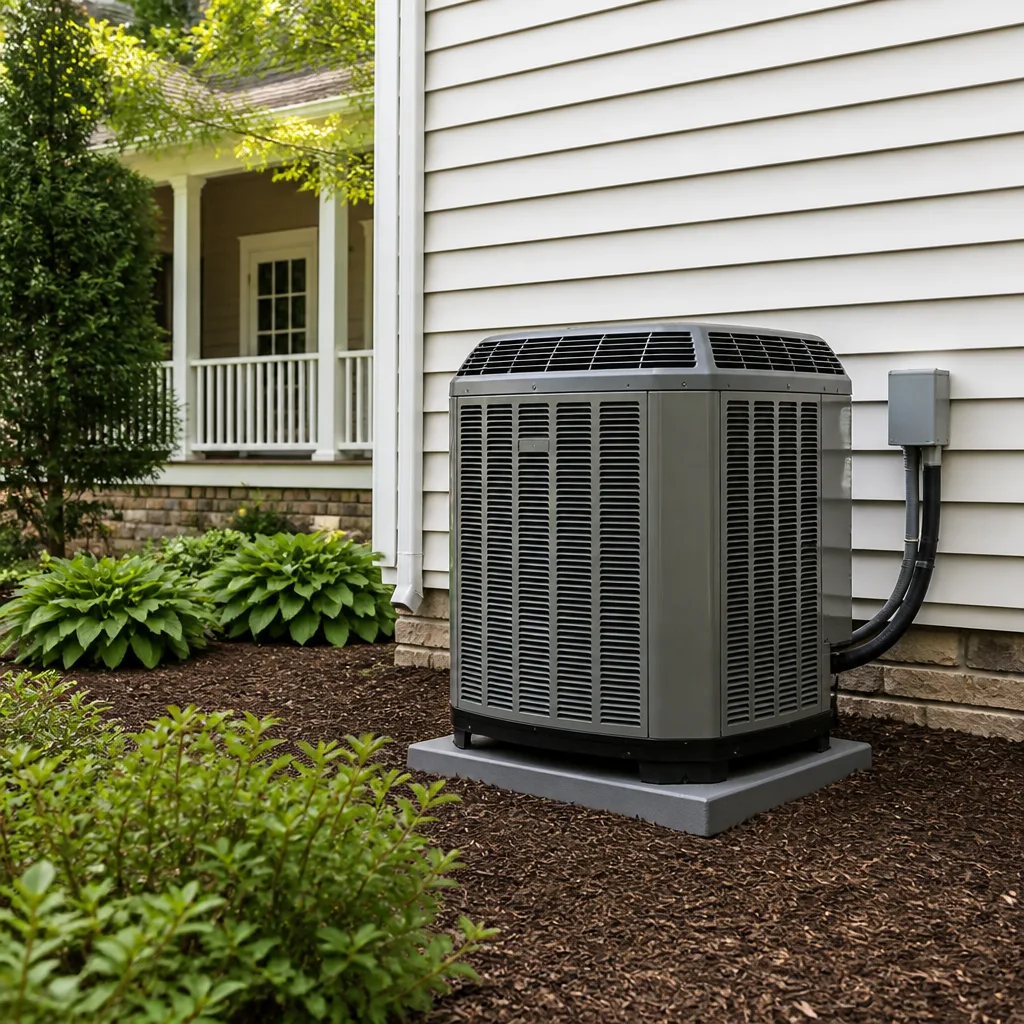 Trane
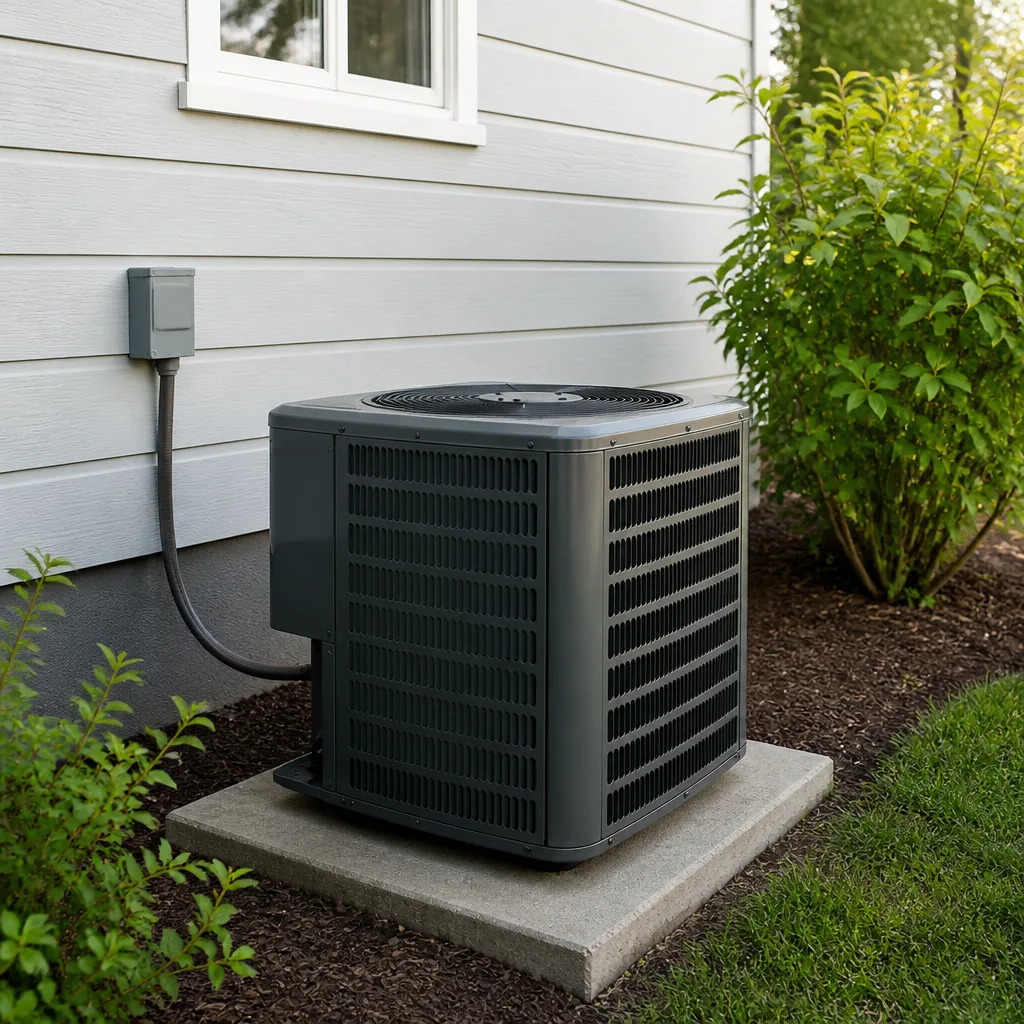 Goodman
Seasonal tune-up and full diagnostic on your Carrier, Trane, or Goodman system - readings shown to you before any repair is proposed
Diagnosis first, numbers second - you approve the repair price before a single part goes in.
Get your free estimateHow to Hire an HVAC Contractor in Brandon: A Step-by-Step Guide
Most homeowners hire an HVAC contractor the same way they pick a restaurant: they search, they read a few reviews, they call whoever answers first. That works fine for dinner. It works poorly when the person on the other end of the line has a financial reason to tell you your system is dead when it isn’t. The uncomfortable truth is that the biggest risk in hiring HVAC help in Brandon isn’t a technician who won’t show up. It’s a technician who shows up, diagnoses “replace it,” and is right about the repair only half the time. This guide walks through the specific verification steps, the exact questions to ask, and the review-reading patterns that separate a repair-first contractor from a salesperson with a gauge manifold. You’ll learn how to check a Florida license in about ninety seconds, what a written estimate has to contain, and how to spot the moment a recommendation shifts from “fix” to “replace” for reasons that have nothing to do with your equipment.
Quick Answer
To hire an HVAC contractor in Brandon, verify the company’s license through the Florida DBPR portal, confirm the license class matches the work (repair versus installation), request a written estimate with itemized parts and labor before any work begins, and ask five diagnostic questions that reveal whether the contractor is repair-first or replacement-first. A legitimate Brandon HVAC contractor will answer all of it without pressure. Anyone who resists verification or pushes a full replacement before a proper diagnosis is telling you what kind of company they are.
Styles & brands we work with
- AC repair
- Furnace & heating
- Heat pumps
- Ductless mini splits
- Carrier
- Trane
- Goodman
Table of Contents
- Step 1: Verify the Contractor’s Florida License
- What Each Florida HVAC License Class Covers
- Step 2: The Five Diagnostic Questions to Ask
- Step 3: What a Written Estimate Must Include
- Why Brand-Affiliated Contractors Push Replacement
- How to Read HVAC Reviews for Brandon Companies
- Repair or Replace? A Decision Framework
- Red Flags That Should End the Conversation
Step 1: Verify the Contractor’s Florida License
Florida licenses HVAC contractors through the Department of Business and Professional Regulation, and the verification takes about ninety seconds if you know where to click. Every legitimate HVAC company in Brandon holds a license number that can be looked up on the DBPR website under the “Licensee Search” tool. You don’t need to be a contractor or a lawyer to use it. You need the company name or the license number, and a browser.
Here’s the verification sequence we recommend to every homeowner who calls us, whether they end up hiring us or not:
- Ask for the license number before the technician arrives. A legitimate company gives it without hesitation. A company that says “we’re licensed and insured” but won’t produce the number is telling you something.
- Search the DBPR portal by license number or company name. Confirm the name on the license matches the name on the estimate. Subcontractors and “sister companies” with different names are a common workaround.
- Check the license status. Active, current, and in the right category. A license that’s “delinquent” or “inactive” means the contractor isn’t currently authorized to pull permits or perform the work.
- Confirm the license class covers your job. This is the step almost everyone skips. A license that covers repair work doesn’t automatically cover a new system installation. Details below.
- Verify insurance separately. License status and insurance are two different things. Ask for a certificate of insurance naming the homeowner as additional insured on the certificate, not just a verbal confirmation.
In our experience, the homeowners who get burned in Brandon aren’t the ones who hired the cheapest bid. They’re the ones who skipped the DBPR check because the contractor seemed nice on the phone. Ninety seconds of verification prevents most of the problems that follow.
What Each Florida HVAC License Class Covers
Florida issues HVAC licenses in a few classes, and the class determines what scope of work the contractor is legally allowed to perform and permit. This is where a lot of Brandon homeowners get tripped up, because a contractor holding a Class A license and a contractor holding a Class B license are not interchangeable for every job.
- Class A (unlimited): Covers any HVAC system, any size, any type, including commercial work. This is the broadest license class.
- Class B (limited): Covers HVAC systems up to a defined capacity and excludes certain commercial installations and some specialty work. Most residential work in Brandon falls within Class B scope, but check the specific job.
- Class C (specialty): Restricted to narrower categories, such as certain types of ductwork or specific equipment. Not a general HVAC repair and install license.
The practical takeaway: for an AC repair, any active Class A or Class B license should cover the diagnosis and repair of a residential system. For a full AC installation, confirm the license class covers new-equipment installation and permit-pulling, not just repair. If a contractor bids a replacement job and can’t pull the permit under their own license, you’re trusting the work to someone the state hasn’t cleared to do it. That’s exactly the situation to walk away from.
We service the systems people already own, across nine major manufacturers, so our reputation in Brandon hangs on repairing what’s there, not on which brand we installed. Whatever the label on your unit – York, Daikin, Bryant, American Standard, and the rest – the license check applies the same way. Skip nothing.
Step 2: The Five Diagnostic Questions to Ask
These five questions separate a contractor who diagnoses from a contractor who estimates. Ask them on the phone before you book the call. Any answer that dodges or pivots to a replacement conversation tells you what you need to know.
- “What’s the diagnosis, in plain English?” A repair-first technician explains the problem in a way you can repeat to a neighbor. If the answer is a list of parts without an explanation of why they failed, ask again. If the technician can’t explain how the system works, they can’t competently fix it.
- “What’s the repair, and what’s the alternative?” A good technician gives you both without prompting. A replacement-first contractor gives you the replacement and treats the repair as a footnote.
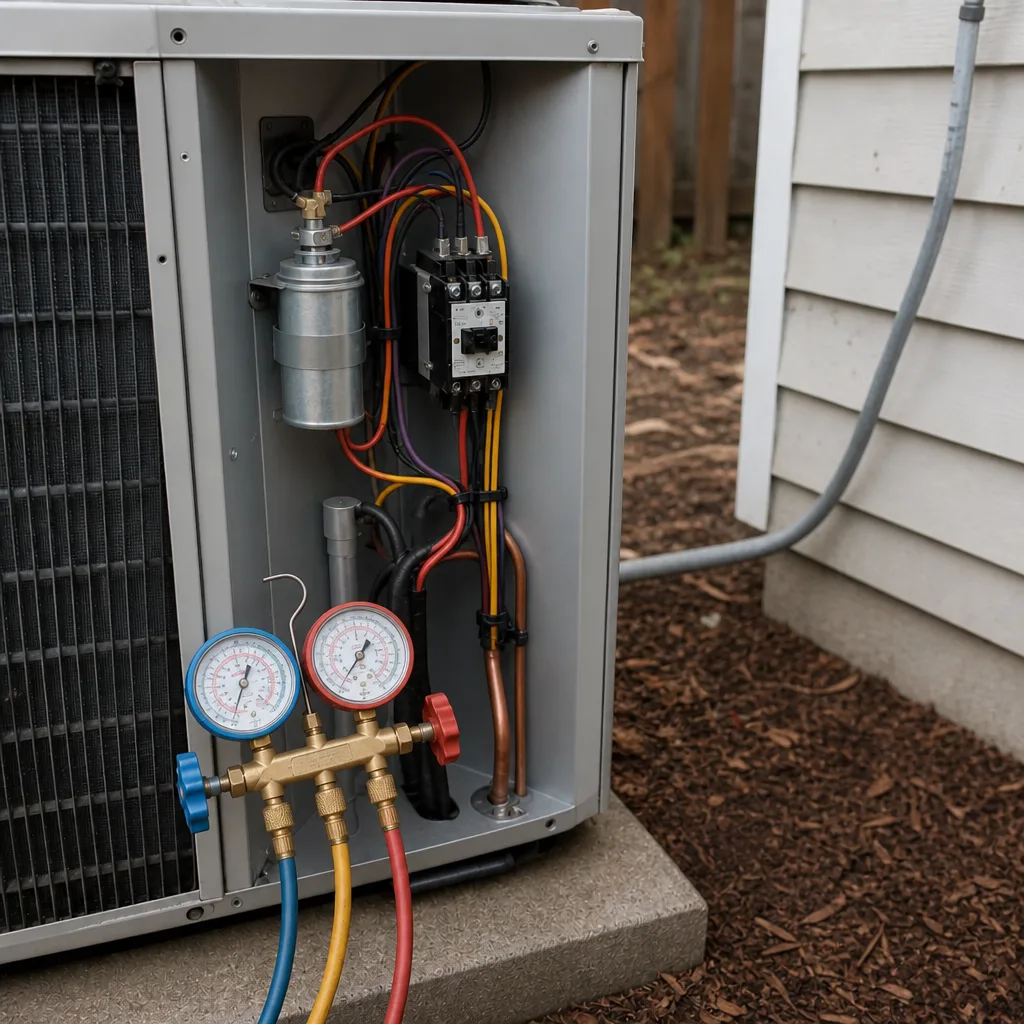
- “Will you test the system, or just replace parts?” Diagnosis means testing – capacitors, refrigerant pressures, airflow, electrical continuity. Parts-swapping means guessing. The follow-up: “What were the test results?” A technician who ran tests can recite them.
- “What’s the price if this is a repair, and what’s the price if I decide to replace?” You’re not asking for a total. You’re listening for whether the replacement number arrives before the repair number. Order matters.
- “If I called you back next week with the same symptom, would you recommend the same thing?” The answer should be “yes, unless the diagnosis changes.” If it’s “we’ll see then,” you’re dealing with sales, not service.
We’ve heard the other side of these conversations on service calls in Brandon – homeowners who booked a repair and ended up with a replacement quote and a hard sell. The five questions don’t stop that from happening. They make it visible before money changes hands.
Step 3: What a Written Estimate Must Include
Florida law requires that certain disclosures be in a written contract for home improvement work over a set dollar threshold, and HVAC work is home improvement. Even when a job falls under that threshold, a written estimate is the standard any legitimate contractor uses, and it should contain specific elements.
A proper HVAC estimate includes:
- Contractor name, license number, and business address. Not a P.O. box only.
- A clear description of the scope of work. “Repair AC” is not scope. “Replace failed run capacitor on condenser unit, test refrigerant charge, verify amp draw” is scope.
- Itemized parts and labor. Not a single line item with a lump sum. You should be able to see the parts cost, the labor hours, and the total.
- Brand and model of equipment if replacing. Vague references to “high-efficiency unit” are a red flag.
- Warranty terms. Separate sections for the parts warranty and the labor warranty, because they’re often different periods from different parties.
- Permit responsibility and cost. Who pulls the permit, and who pays for it.
- Payment terms and schedule. Deposits, final payment, and what triggers each.
- Start and completion dates. For a replacement job, a real date, not “sometime in the next two weeks.”
Red flags in a written estimate include line items like “misc. parts,” “processing,” or “system evaluation” with no detail; charges for what should already be part of the diagnostic; and any variance clause allowing the total to move without your signature. If the estimate doesn’t itemize, ask for one that does. A contractor who can’t produce an itemized estimate will not produce an itemized bill later. For more on what the pricing of an HVAC job should look like, see our guide to the Brandon service area.
Why Brand-Affiliated Contractors Push Replacement
A contractor who sells primarily one brand of HVAC equipment has a structural reason to recommend replacement over repair, and it isn’t personal. It’s arithmetic. Factory-authorized dealers often receive volume rebates, tiered pricing, and cooperative marketing dollars tied to how much equipment they move. The manufacturer sets a distribution quota. The dealer is the one who has to hit it. When that dealer’s technician diagnoses your system, the recommendation is loaded before the diagnosis even starts.
That doesn’t mean all brand-affiliated contractors are dishonest. Plenty run clean, repair-first operations and simply prefer one brand for installation economics. But it does mean you should understand the incentive and know how to spot when it’s driving the recommendation:
- The replacement quote arrives before the repair quote. Always ask for the repair option first, in writing. If it doesn’t exist, ask why.
- The diagnosis focuses on age rather than condition. “It’s fourteen years old, they only last fifteen” is a rule of thumb, not a diagnosis. Condition determines replacement, not the calendar alone.
- The suggested replacement is always the same brand. Ask directly: “If you didn’t have a manufacturer relationship, would you recommend the same system?” The honest answer tells you a lot.
- Financing is offered before the diagnosis is explained. Slow down when the payment plan arrives faster than the explanation.
We’re brand-agnostic in Brandon for exactly this reason. We service Carrier, Trane, Lennox, Goodman, Rheem, York, Daikin, Bryant, and American Standard systems with equal fluency, so our recommendation comes from what’s in your home, not what’s on a distribution list. Our technicians have up to 9 years of experience across those platforms.
How to Read HVAC Reviews for Brandon Companies
Reviews are the most abused trust signal in HVAC marketing, and the patterns that reveal padding are specific. Most homeowners skim star ratings and read the top three reviews. That’s precisely what review farms are built to survive.
Read for these patterns instead:
- Recency clusters. Twenty reviews in one week followed by three months of silence is a campaign, not organic flow. Real service reviews arrive steadily.
- Specificity versus mood. “Great service, highly recommend, five stars” tells you nothing. “Diagnosed a bad capacitor on a Sunday call, had cold air in an hour, $X total” tells you a real repair happened.
- The one-to-three star middle. Skip the five-stars and the one-stars. Read the two and three star reviews, which tend to describe specific problems – billing disputes, delays, attitude – without the emotional extremes at either end.
- Response pattern. Does the company respond to negative reviews with a specific reply, or with a generic apology? A real response acknowledges what happened. A form response says “sorry for your experience, please call our office” – that’s not an answer.
- Reviewer history. Click through a few reviewers. If five of them have only ever reviewed HVAC companies, that’s an account created for review purposes.
The best signal for an HVAC contractor in Brandon is a pattern of reviews mentioning the same technician by name over time, describing the specific work, with occasional notes about pricing. That pattern is hard to fake and easy to read.
Repair or Replace? A Decision Framework
The single most expensive decision in hiring HVAC help is whether to repair or replace, and most of the “replace it” recommendations you’ll hear in Brandon come down to three variables: age, repair cost relative to replacement, and refrigerant type. Here’s how to work through it.
- Age. A residential AC system typically lasts fifteen to twenty years with proper maintenance. If yours is under ten and a technician recommends replacement, ask for a detailed diagnosis of the specific failure. If yours is over fifteen, replacement is more often reasonable.
- Repair cost versus replacement cost. A common industry benchmark is that a repair costing more than half the cost of a new system justifies considering replacement. Get both written estimates and compare.
- Refrigerant type. Older systems using R-22 refrigerant are increasingly costly to repair because the refrigerant is being phased out of production. A system running R-22 with a major repair ahead is a stronger replacement candidate than a comparable-age system running R-410A.
- Frequency of failures. One repair every few years is normal. Three repairs in one season on the same system means the equipment is wearing out as a whole – the next failure is a matter of time.
- Efficiency gap. A fifteen-year-old system running at 8 SEER is costing you real money each summer in Brandon compared to a current system. That doesn’t mean replace a working unit, but it does factor into lifecycle math.
For a full breakdown of what a replacement involves, see our AC installation guide. The important thing to remember: a replacement recommendation should arrive with a specific diagnosis attached, not just an age number.
Red Flags That Should End the Conversation
Some behaviors are dealbreakers, and they’re recognizable early if you know what to look for. Any of the following should end the conversation before money changes hands.
- No license number on the estimate. A legitimate HVAC contractor in Brandon puts their license number on everything. If it’s missing, ask. If they can’t produce it, walk.
- Diagnosis with no test results. A technician who tells you a part failed without showing you the reading is guessing. Ask to see the multi-meter or gauge readings, and ask what they mean.
- Replacement pushed before repair is quoted. If the replacement price arrives before the repair price, you’re being sold to, not consulted. This is the single most reliable red flag in residential HVAC.
- Payment in full before work begins. A deposit is normal for equipment. Full payment before the system is running is not.
- No written estimate. Verbal estimates for anything beyond a diagnostic are how disputes happen. Get it in writing.
- Permit reluctance. A contractor who says a permit isn’t needed for a replacement system is either wrong or unwilling to pull one. Both are problems.
- Pressure to decide today. “This price is only good if you sign now” is a sales tactic, not a discount. The system that failed today will fail tomorrow at the same real cost.
See the difference
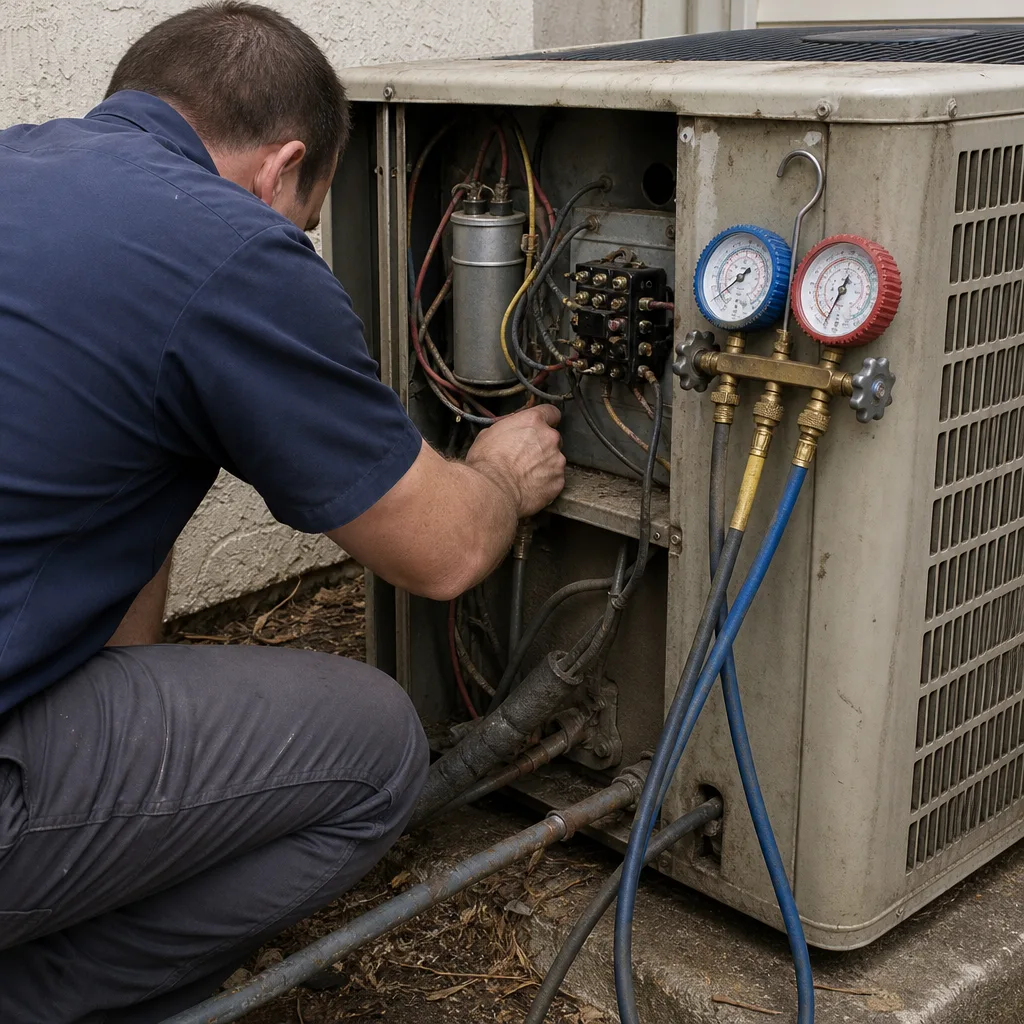 Before
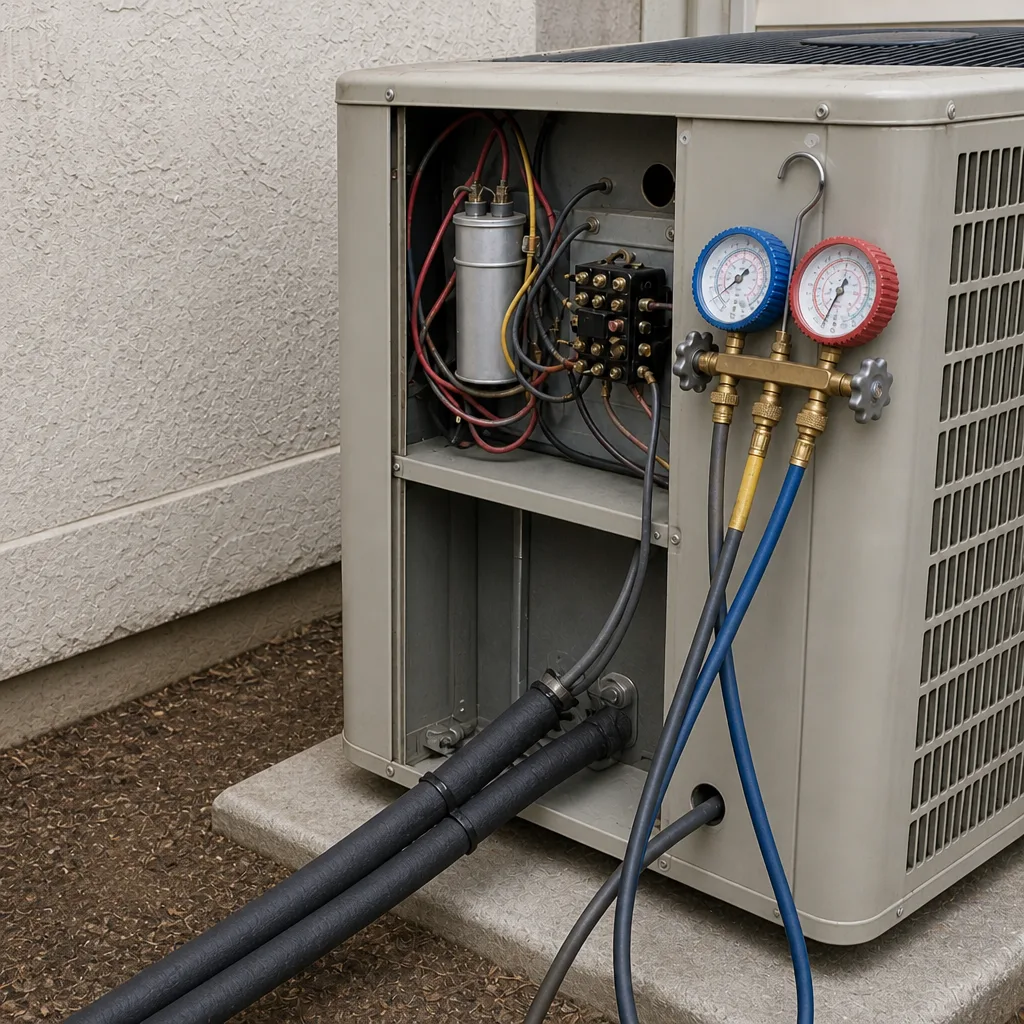 After
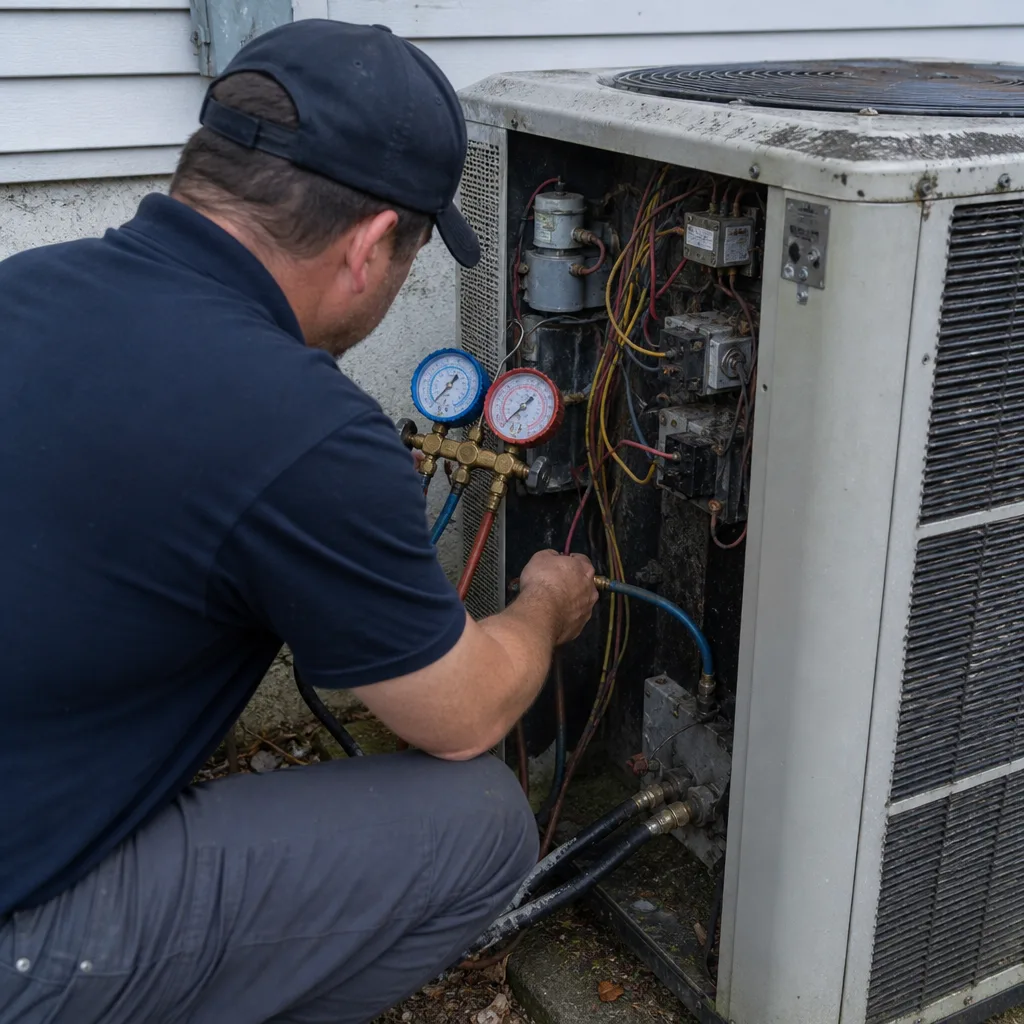 Before
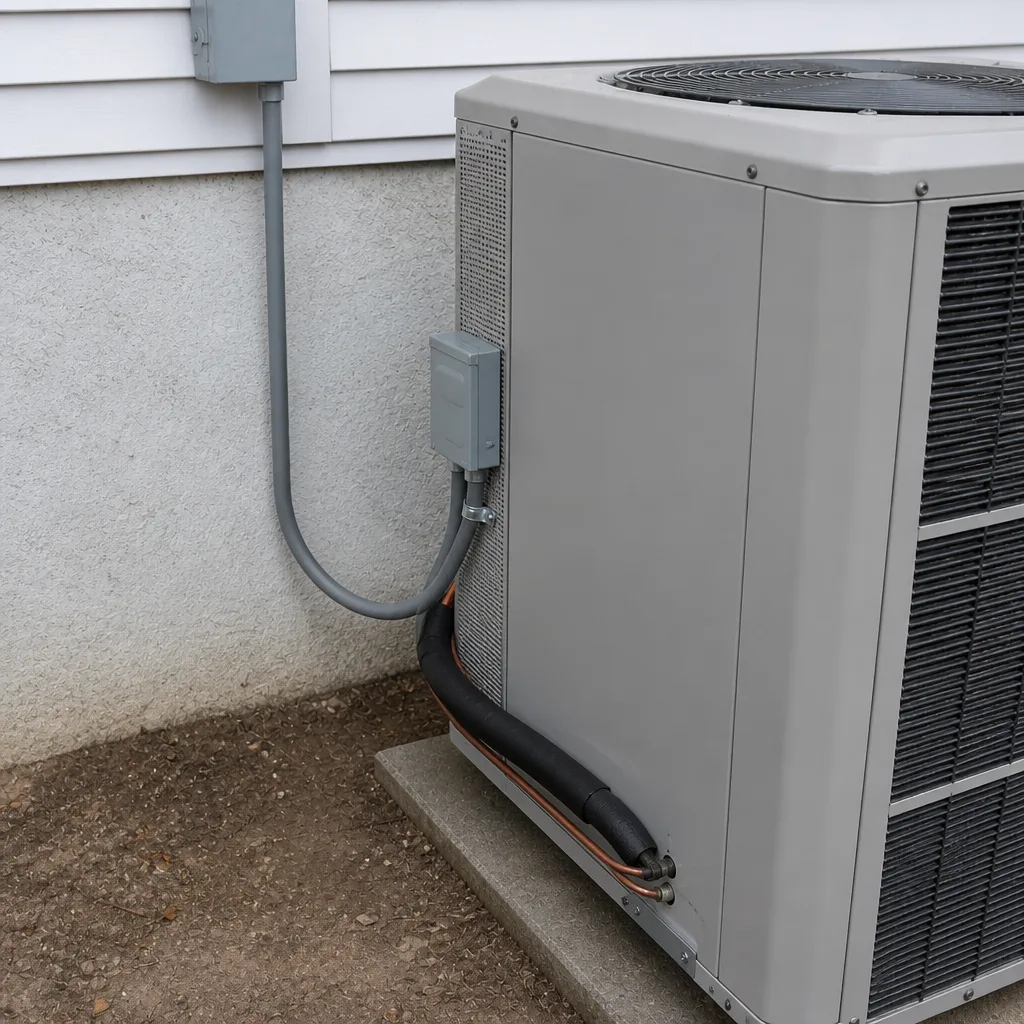 After
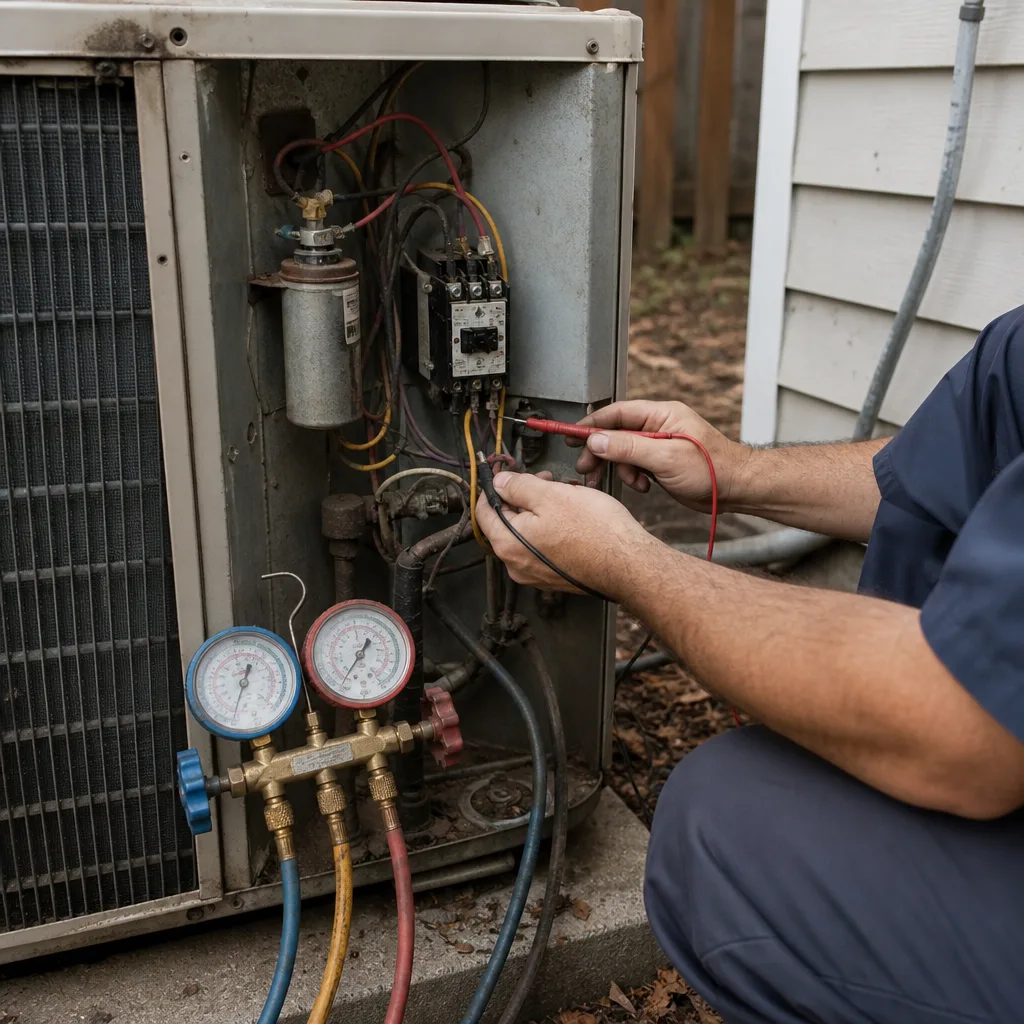 Before
 After
When to Call a Professional
Some HVAC problems are genuinely the territory of a trained technician, and pushing a DIY repair on electrical or refrigerant components is a good way to make a small failure into an expensive one. Call a professional when you see any of the following: your AC runs but doesn’t cool, and you’ve already checked the filter and thermostat; the outdoor condenser fan isn’t spinning; the system trips the breaker; ice forms on the indoor coil or refrigerant lines; there’s a burning smell or unusual noise from the air handler; or the thermostat display goes dark with the system calling for air. Refrigerant work is federally regulated and cannot be handled without a license and equipment, and electrical diagnosis in the air handler and condenser is a genuine hazard. If you’re in doubt about a symptom, describe it over the phone. We answer 24/7. Fast dispatch from 7am to 7pm, Sunday through Friday. Sentry AC Repair offers free estimates in Brandon. Call (844) 638-9793.
Frequently Asked Questions
Search the Florida DBPR licensee portal by the contractor’s license number or company name and confirm the license is active and in the correct class for your job. A professional HVAC contractor will give you the license number without prompting. Anyone who hesitates or says “we’re licensed” without a number is a red flag.
A Florida HVAC estimate should include the contractor’s name, license number, business address, a detailed scope of work with itemized parts and labor, brand and model of any equipment being installed, separate warranty terms for parts and labor, permit responsibility, and payment schedule. If you’re seeing lump-sum line items like “system repair” or “misc. parts,” ask for a detailed rewrite before signing.
Watch for the order of the conversation. If a replacement recommendation arrives before a detailed repair quote, if the diagnosis focuses on system age rather than specific failures, or if the replacement equipment is always the same brand, the recommendation is being shaped by sales incentives rather than your system’s condition. Ask for the repair option in writing before deciding.
Brandon’s warm season runs long, which means your system works harder and runs more hours than in cooler climates. That accelerates ordinary wear on compressors, capacitors, and contactors, so a system that sees heavy summer use may reach replacement age a bit sooner than the service-life estimate alone suggests. It also means that a working system’s efficiency loses matter more in dollars here than in milder markets.
Ask: What’s the diagnosis in plain English? What are the repair options and the replacement option? Will you test the system or just replace parts? What are the prices for both paths? And if I called back next week with the same symptom, would you recommend the same thing? A repair-first technician answers all five without hesitation.
Yes, but read for pattern, not star rating. Look for sustained review flow rather than clusters, specific problem-then-solution descriptions rather than mood-driven praise, and honest two and three star reviews. Check whether the company responds to negatives specifically or with a generic apology. Reviews mentioning the same technician by name over time are the strongest genuine signal.
The Bottom Line
Hiring an HVAC contractor in Brandon comes down to verification, not vibes. Check the license through DBPR before the technician arrives, confirm the license class matches the work, ask the five diagnostic questions, and require a written estimate that itemizes parts and labor. Understand that brand-affiliated contractors work under distribution quotas that shape their recommendations, and read online reviews for pattern rather than star rating. The company that answers all of this without pressure is the one worth calling back. The company that resists is telling you exactly what kind of operation it runs. Sentry AC Repair serves the Sentry AC Repair brand of repair-first, brand-agnostic HVAC work across Brandon, and we’re happy to answer any of the questions above whether or not you hire us. Call (844) 638-9793 for a free estimate. We answer 24/7. Fast dispatch from 7am to 7pm, Sunday through Friday.
Written by the team at Sentry AC Repair.