
Last updated November 15, 2026
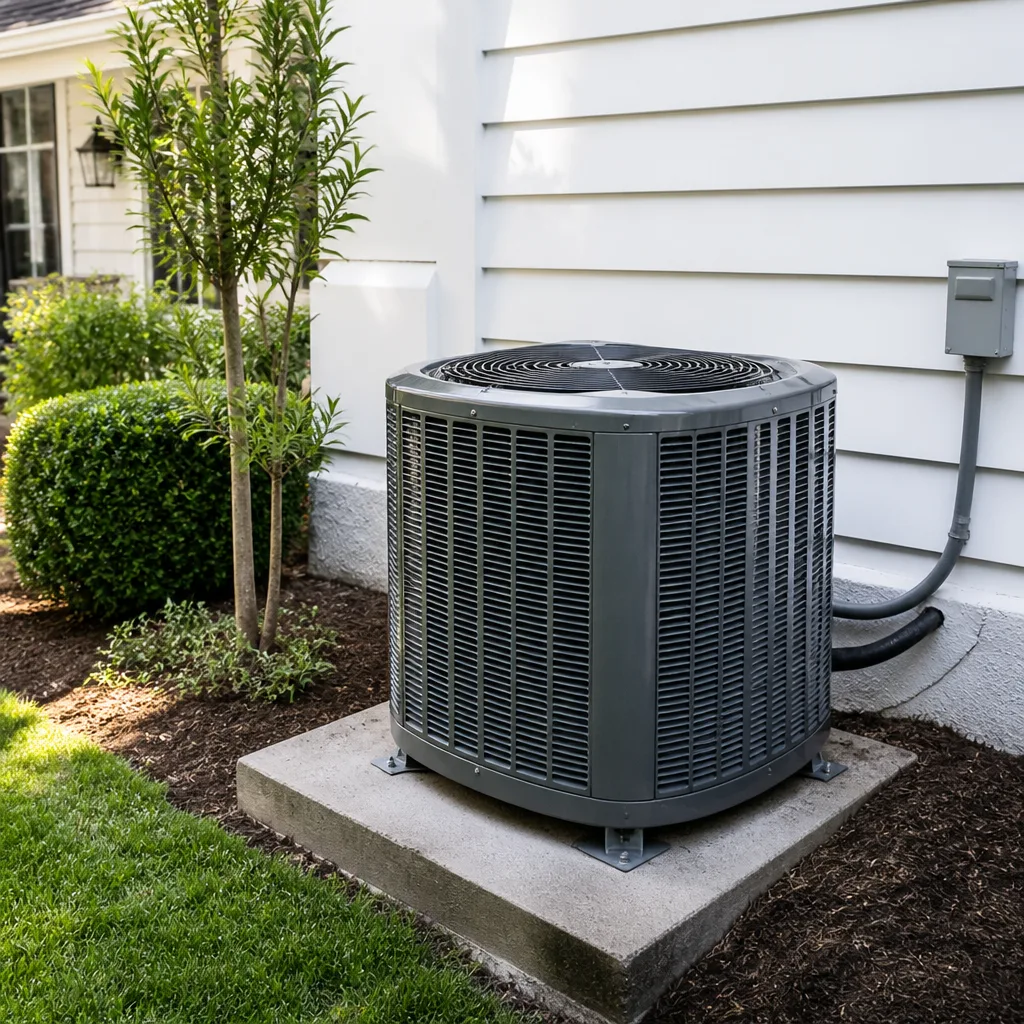 AC repair
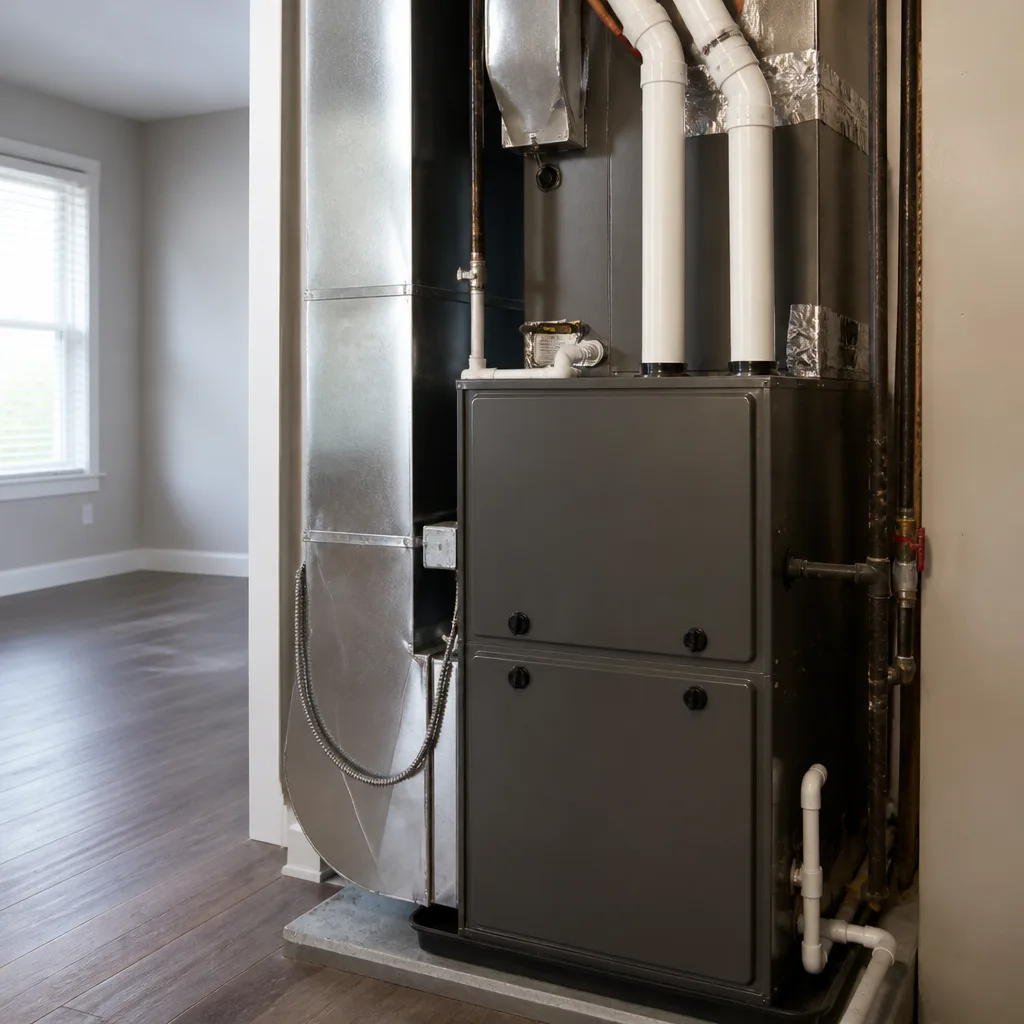 Furnace & heating
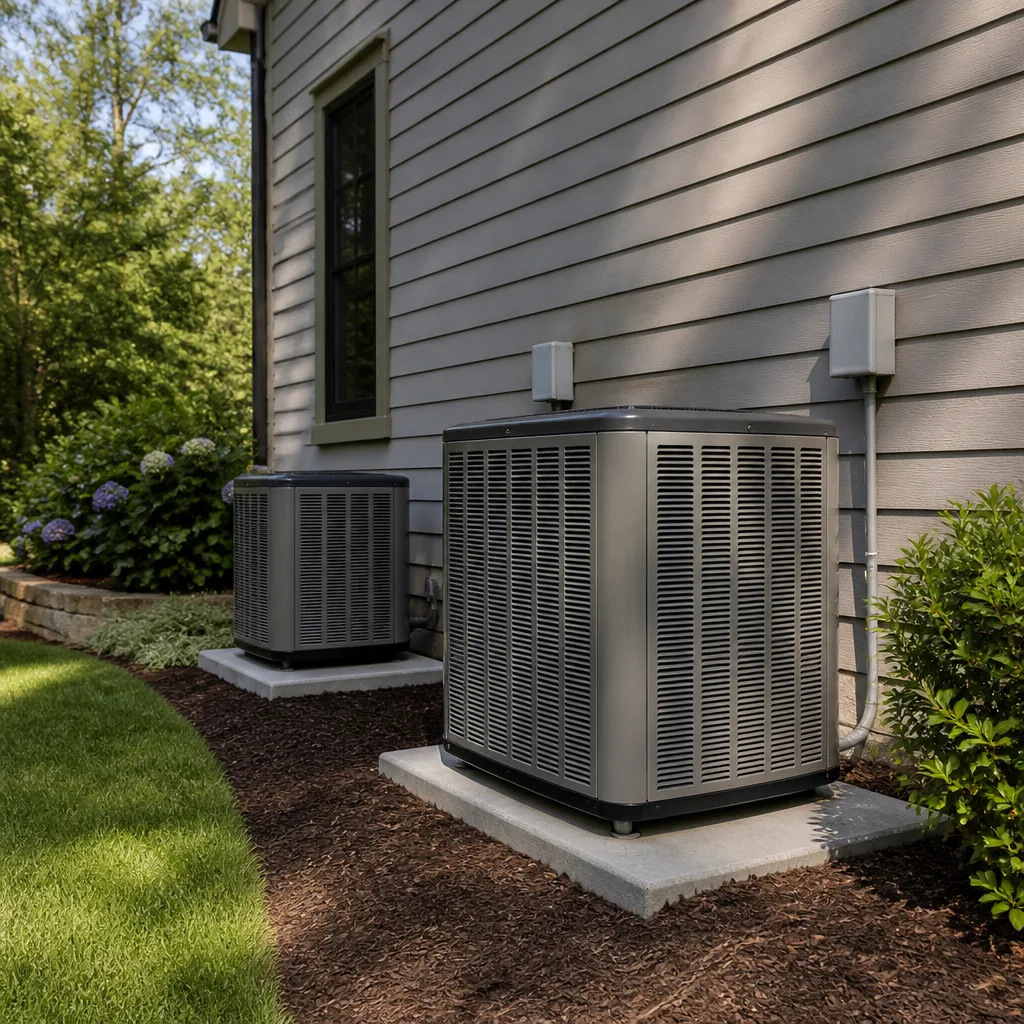 Heat pumps
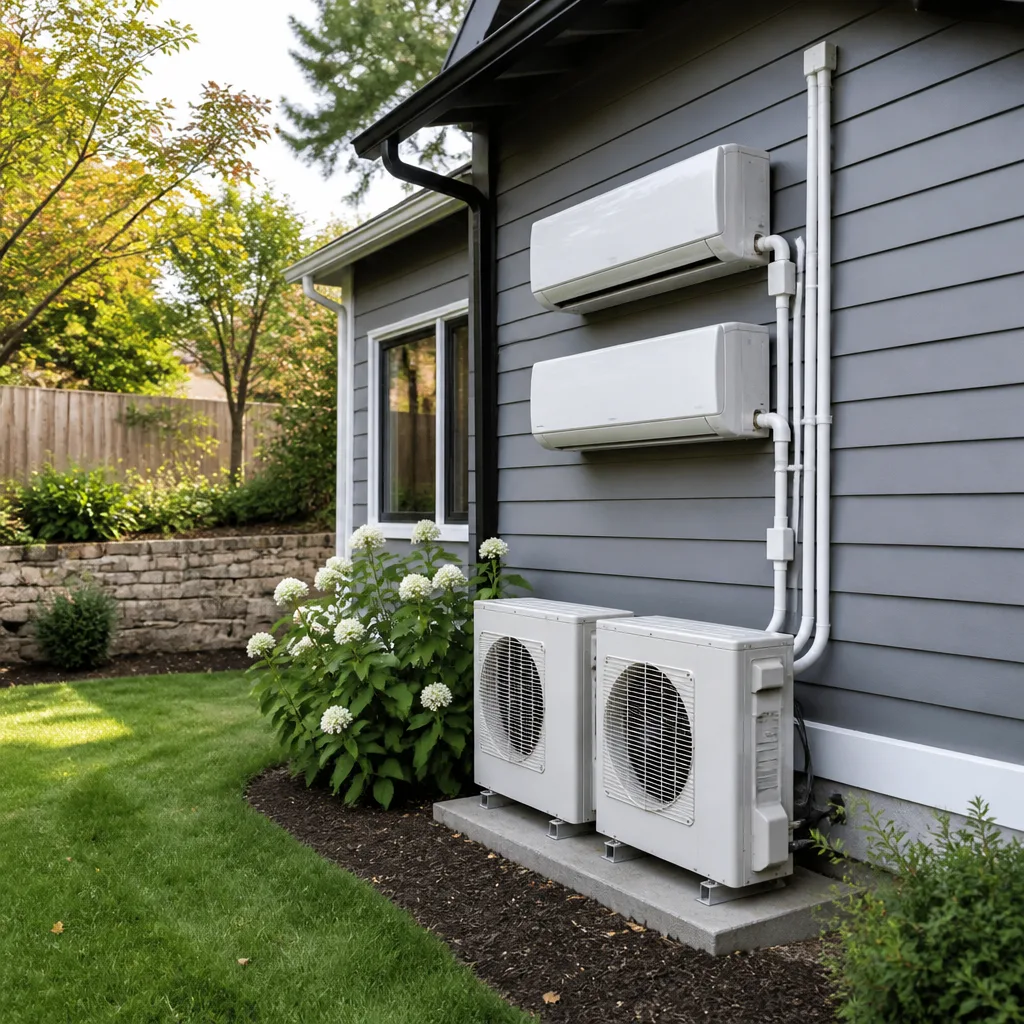 Ductless mini splits
 Carrier
 Trane
 Goodman
Seasonal tune-up and full diagnostic on your Carrier, Trane, or Goodman system - readings shown to you before any repair is proposed
Diagnosis first, numbers second - you approve the repair price before a single part goes in.
Get your free estimateHVAC Permits, Codes & Inspections in Brandon, FL: What You Need to Know
Most homeowners in Brandon assume a permit is paperwork. It isn’t. It’s the paper trail that proves your system was installed to code, and it’s the thing an insurance adjuster or a buyer’s inspector will ask for years after the work is done. When a permit is missing, the problem doesn’t surface at installation. It surfaces at claim time or closing time, when leverage has already moved to the other side of the table. This guide walks through which HVAC jobs in Hillsborough County require a permit and which don’t, how the county inspection stages work for a full system replacement, how to check the permit history on a Brandon home, what Florida Building Code Section 1006 covers for residential HVAC, and where your exposure sits when a contractor pulls a permit in their own name.
Quick Answer
In Brandon and the rest of Hillsborough County, a full HVAC system replacement, a new installation, and any job that alters refrigerant lines, electrical circuits, or structural openings requires a permit and county inspections. Filter changes, thermostat swaps, and minor repairs that don’t touch refrigerant, electrical, or structure are typically permit-exempt. Permits are pulled in the contractor’s name, but the homeowner owns the code history on the property, so an unpermitted job follows you, not the contractor who did it.
Styles & brands we work with
- AC repair
- Furnace & heating
- Heat pumps
- Ductless mini splits
- Carrier
- Trane
- Goodman
Table of Contents
- Which HVAC jobs in Hillsborough County require a permit?
- What HVAC work is legitimately permit-exempt?
- What are the inspection stages for a full AC replacement in Brandon?
- How do you check whether an HVAC job on a Brandon home was permitted?
- What does Florida Building Code Section 1006 require for residential HVAC?
- Who pulls the permit, and what’s your exposure if they’re unlicensed?
- How does an unpermitted system affect insurance and a home sale?
- How long does the permitting process take in Brandon?
Which HVAC jobs in Hillsborough County require a permit?
Any job that replaces the outdoor condenser, changes the air handler, runs new refrigerant lines, modifies the electrical circuit feeding the equipment, or cuts new openings in walls, ceilings, or the roof deck requires a permit from Hillsborough County. Residential AC installation is squarely in that category. So is a changeout where a contractor swaps a 3-ton system for a larger one, and so is any job that involves a new condensate drain route through a finished ceiling.
The permit isn’t just a fee. It triggers the county inspection sequence and creates a record attached to the property address. That record is what future buyers, appraisers, and insurers look at when they need to know the system was installed to code. When we quote AC installation work in Brandon, the permit and the inspection appointments are part of the job scope, not an add-on. If a contractor suggests skipping the permit to shave a day or two off the schedule, that’s your signal to walk.
Here’s the practical test for whether a job needs a permit:
- Does it touch the refrigerant circuit? Yes means permit.
- Does it change the electrical circuit feeding the equipment? Yes means permit.
- Does it alter the structural envelope (new openings, new line-set runs through walls, roof penetrations)? Yes means permit.
- Does it replace a major component (condenser, air handler, coil)? Yes means permit.
- Does it only swap a filter, a thermostat, or a failed capacitor? No permit in most cases.
Builders in Brandon’s newer subdivisions – FishHawk Ranch, Rivercrest, and the Barrett School area – typically pull permits on every changeout because new-construction warranty language often requires it. Older neighborhoods like Limona and Seffner Edge have plenty of systems swapped out without permits over the decades, and that history is exactly what a buyer’s inspector will flag during a resale.
What HVAC work is legitimately permit-exempt?
Filter replacement, thermostat replacement of the same type, cleaning of the condensate drain, replacement of a failed run capacitor or contactor, and diagnostics-driven repairs that don’t open the sealed refrigerant circuit are all permit-exempt in Hillsborough County. The line is drawn where the work touches refrigerant, electrical supply wiring beyond a low-voltage swap, or the structural envelope of the home.
We see a lot of confusion here, so it’s worth being specific about where the line sits:
- Permit-exempt: air filter swaps, a standard programmable thermostat replaced with another standard programmable thermostat, a smart thermostat wired to the existing low-voltage terminals, condensate drain clearing, motor or capacitor replacement on a blower, and any repair that doesn’t cut into the sealed refrigerant circuit.
- Permit required: any work that opens the refrigerant circuit to add or recover refrigerant, a full system or coil replacement, a new disconnect or dedicated circuit feeding the equipment, a new line-set run, and anything that cuts a new hole in the house.
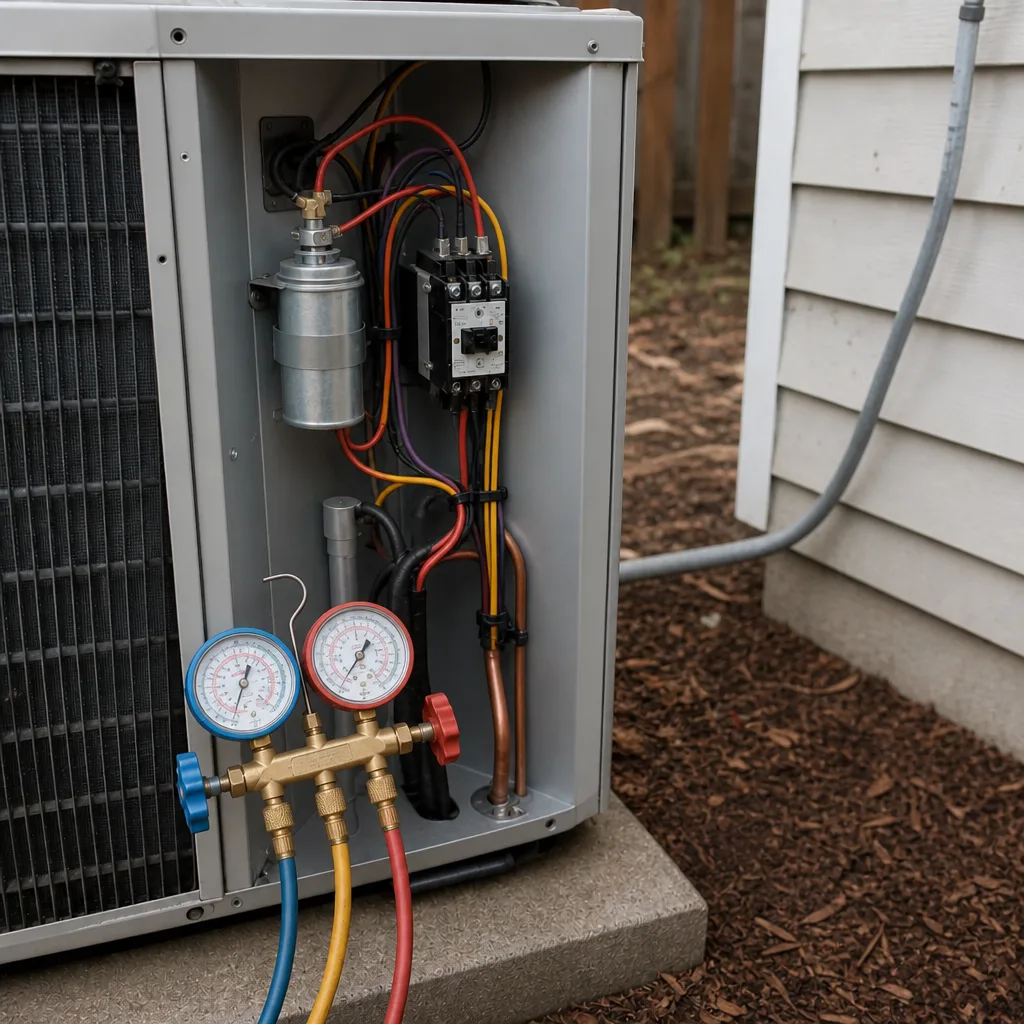
Repair work is where the confusion bites hardest. A typical AC repair call – a blower motor, a contactor, a capacitor, a clogged drain line – is exempt. But if the repair requires opening the system to add refrigerant, that’s a different job and the contractor should be pulling a permit for it. If a technician tells you they’ll “just top it off” on a sealed system without a permit or a leak search, that’s a red flag. A refrigerant circuit that’s low enough to need a top-off has a leak somewhere, and the EPA’s refrigerant handling rules apply.
What are the inspection stages for a full AC replacement in Brandon?
A residential AC replacement in Hillsborough County typically runs through two to three inspection stages depending on what the job touches: rough-in or pre-cover inspection, a final inspection, and in jobs that include new electrical work, a separate electrical rough and final. The inspector isn’t there to check the brand of your equipment. They’re there to check that the installation matches the permitted scope and the code it cites.
Here’s the sequence as we walk through it on a Brandon changeout:
- Permit issued. The contractor files the application with Hillsborough County, listing equipment model, tonnage, SEER rating, electrical requirements, and the address. The permit number goes on the job card.
- Rough-in inspection (when applicable). If the job involves new line-sets routed through walls or new electrical circuits, the inspector looks at the routing before it gets covered with drywall or insulation. The inspector is verifying support spacing, line-set insulation, condensation management, and that the electrical disconnect is correctly sized.
- Equipment set and connected. The condenser, air handler, and coil go in. Duct transitions, plenum connections, drain lines, and the condensate trap are completed per code.
- Final inspection. The inspector confirms the equipment matches the permit, checks the disconnect and breaker sizing, confirms the condensate drain routes to an approved location, verifies the platform and equipment access clearances, and looks at the installation workmanship.
- Permit closed. The inspection record attaches to the address in the county system. The homeowner should keep a copy alongside the system paperwork.
What the inspector actually checks at final is narrower than homeowners expect. They’re not running a manual J load calculation or measuring static pressure. They’re confirming the installed equipment matches what was permitted, checking safety items like the disconnect and the drain, and confirming the installation meets Florida Building Code as adopted by Hillsborough County. That’s it. The permit isn’t a quality guarantee on the installation – it’s a code and safety check. Quality comes from the contractor, which is why the brand-agnostic approach we take – working on Lennox, Goodman, Rheem, and York systems alike, plus the other brands we service – means the inspection paperwork and the install quality are handled by the same team that read the manual.
How do you check whether an HVAC job on a Brandon home was permitted?
Hillsborough County publishes permit history through its online permitting portal, searchable by property address. You enter the address, filter by permit type (mechanical or HVAC), and the system returns every permit issued on that property with status, issue date, contractor name, and inspection results. Every homeowner buying a home in Brandon should run this search before the inspection period ends.
Here’s the process in order:
- Go to Hillsborough County’s online permitting portal. The county’s ePermits system is the current front door for permit lookups.
- Search by property address. Use the full street address, not the parcel number, unless you have both.
- Filter by permit type. Look for “Mechanical” or “HVAC” permits. Multiple entries across different years are normal – a home that’s been through two replacements in twenty years should show two records.
- Open each permit and read the status. “Finaled,” “Closed,” or “Complete” means the job passed its inspections. “Expired,” “Void,” or “Open” is where the questions start.
- Check the inspector’s notes if the county provides them. Some records include inspection comments – failed items, reinspection notes, or clarifications.
- Compare against the system age. If the data plate says the condenser was manufactured in 2019 and there’s no permit record from 2019, that’s the gap.
If the permit record is absent or shows an open status, ask the seller for documentation. If they don’t have it, ask the county directly what retroactive permitting requires for that specific job. In our experience, retroactive permitting is possible but costly – the county typically wants a full inspection of the installed system, sometimes a load calculation, and occasionally contractor corrections before they’ll close the permit. The cost often exceeds what a permit would have cost at the start.
What does Florida Building Code Section 1006 require for residential HVAC?
Florida Building Code Section 1006 governs light, ventilation, and occupancy standards for residential spaces, and the HVAC provisions within it govern air distribution, equipment clearances, and combustion air. The residential provisions most relevant to a Brandon homeowner are the ones that cover equipment location, access clearance, and the ventilation and exhaust rules that a permitted install has to satisfy at inspection.
The practical implications for a Brandon AC replacement:
- Equipment access. The code sets minimum working clearances around the air handler and the outdoor condenser. A condenser pushed up against a fence or hedge with no service access will get flagged.
- Condensate management. The drain path must discharge to an approved location. A drain routed to drip under the house or into a planter is a common failure.
- Combustion air. If you have any gas-fired appliance – a furnace, a water heater in the same closet – the code requires adequate combustion air and venting. A swap that changes airflow in that closet can violate it.
- Ventilation. For residential occupancies, the code governs how indoor air is exchanged. Mechanical ventilation requirements are the reason some installs require a fresh-air intake that wasn’t there before.
Gas appliance work inside the same closet as the air handler is also where the safety line sits. Gas lines and combustion venting are genuinely dangerous components to touch without training. If the scope of your install reaches into a gas line or a flue change, stop and hire a licensed professional – the permit and the inspection are exactly how the code catches the things that aren’t visible once the equipment is running.
In Brandon’s climate, most of the code conversation circles back to moisture. The cooling season here runs long, and the system removes a substantial amount of water from indoor air relative to northern markets. A permitted install forces the drain path and equipment placement questions the code cares about, which is why the permit is more useful here than in a dry climate where cooling runs shorter. A drain that works fine for three years in a dry climate fails in two seasons of Brandon humidity if it isn’t routed properly. The code doesn’t promise the drain will work well – it only requires an approved discharge location. Working well is on the installer.
Who pulls the permit, and what’s your exposure if they’re unlicensed?
The contractor pulls the permit in their name and license number. That’s the normal path. What most homeowners don’t realize is that pulling a permit in the contractor’s name does not shift code liability to the contractor – the property owner remains responsible for code compliance on the property. If the contractor vanishes, loses their license, or the job fails inspection years later, the property owner is the one carrying the open permit.
Here’s what that means in practice:
- Verify the license before signing. Florida requires a state-issued mechanical contractor license (or a county-issued certificate where applicable) to pull HVAC permits. Ask for the license number and verify it through the Florida Department of Business and Professional Regulation’s license lookup.
- Verify the permit is issued before work starts. Ask for the permit number and look it up in the county portal. A contractor who says they’ll “pull it after” is a contractor who might not pull it at all.
- Check the name on the permit against the name on the contract. If a different entity pulls the permit than the one you hired, ask why. Subcontracting on HVAC work happens, but you should know who’s actually filing the permit.
- Keep every inspection record. The final inspection result is the proof of a code-compliant install. If you sell the home, that record solves the disclosure question before the buyer’s inspector asks it.
An unlicensed contractor is the worst version of this problem. They can’t legally pull a permit. Work gets done anyway. Some of it is fine. Some of it isn’t. Either way, the homeowner carries the exposure, because the property carries the record. An unlicensed electrician who sized a disconnect wrong or a technician who cut a gas line as part of a swap leaves the same problem regardless of license status: a code issue attached to your address. And insurance companies, when they investigate a claim, look at what the records say about the install. An unpermitted gas appliance or electrical modification is the kind of thing that surfaces at claim time, when the coverage question is already on the table.
How does an unpermitted system affect insurance and a home sale?
An unpermitted HVAC replacement can affect homeowner’s insurance coverage and must typically be disclosed to a buyer during a home sale. Insurance policies are written on the assumption that the home has been maintained and improved to code, and a claim arising from an unpermitted install – fire from an undersized disconnect, water damage from a bad condensate drain, refrigerant loss from an improperly brazed line-set – can complicate the claim. On the sale side, Florida sellers are required to disclose known material facts, and an unpermitted system is exactly the kind of material fact a buyer’s inspector will find.
The sale scenario plays out in a predictable sequence:
- The buyer’s inspector opens the panel, checks the permit history, and finds a replacement that doesn’t have a permit record.
- The buyer’s agent asks the seller for documentation. The seller doesn’t have it, because it never existed.
- The title search and the permit search converge. The buyer’s lender – especially on FHA and VA loans – often requires correction before closing.
- The seller hires a contractor to retroactively permit the install. That means an inspection, potentially a load calculation, and often corrections.
- The closing timeline gets compressed or extended. Sometimes the deal falls apart.
The seller’s disclosure obligation exists because a home is the largest asset most people will ever sell. A missing permit doesn’t wrap up quietly – it becomes a negotiating point on the buyer’s side. On the insurance side, the disclosure question is harder still. If the unpermitted work was a contributor to the loss, the adjuster has grounds to look much harder at coverage. The system isn’t the only thing on trial at that moment – it’s also whose paperwork shows what got installed and when.
For anyone who wants a maintained system, the paperwork itself is a form of risk management. That’s why we push homeowners toward keeping every permit, every inspection record, and every service log with the equipment as part of any Sentry AC Repair job – not because the county requires it, but because the buyer and the insurer will.
How long does the permitting process take in Brandon?
A straightforward residential HVAC permit in Hillsborough County typically issues within a few business days, and the inspection scheduling window depends on how fast the installation is completed. The permit and inspection sequence usually adds a week or two to the overall timeline of a full replacement, not to the equipment installation itself.
What to expect on schedule:
- Application and issue: a few business days for a standard residential changeout. More complex jobs – new electrical circuits, new line-set runs through walls, or a fuel change from electric to gas – take longer because they touch more trades.
- Installation: a full residential changeout in a Brandon home usually completes in a day, sometimes two if the line-set route is long or the attic access is tight.
- Inspection scheduling: typically a few business days from the point the job is ready for inspection. Hillsborough County’s online scheduling portal is how most contractors book them.
- Corrections, if any: add another inspection cycle. Address them the first time and the final closes.
Brandon’s permitting volume is real. The county processes a high number of mechanical permits each month across the Tampa Bay region, and schedule slots fill during peak cooling season when most changeouts happen. Budget for a week of slack in the schedule and you won’t be surprised.
If your system fails in July and you’re deciding between a same-day band-aid and a scheduled replacement, the permit timeline is part of the decision. Repairs that don’t require a permit can be done immediately. A full replacement is load-calculated, ordered, and permitted before installation – no contractor should promise a same-day system swap. We give a written fixed price and a set install date instead, and the permit paperwork gets handled inside that window.
Common Mistakes to Avoid
- Skipping the permit to save on the invoice. A permit that costs a few hundred dollars at the start can cost far more retroactively. When the buyer at closing asks for documentation and there isn’t any, the seller pays to make it appear.
- Assuming the contractor pulled the permit because they said they would. Ask for the permit number and look it up in the Hillsborough County portal. Every permit issued on a Brandon property is searchable.
- Letting the inspection paperwork “get lost.” The system is on the property, and so is the permit record. Keep the final inspection doc in the same folder as the equipment manual and the service log.
- Using an unlicensed contractor “because they’re cheaper.” An unlicensed contractor can’t pull a permit, which means the work they do gets attached to your address with no record. Insurance claims and resale both depend on proper documentation.
- Treating a filter change like a permit exemption for everything. Filter swaps and thermostat replacement are exempt. Full replacements, coil swaps, and any electrical change are not. Don’t let a contractor talk you into believing the whole category is exempt.
- Not checking the permit history before buying. Run the Hillsborough County search during the inspection period. A missing permit on a 2018 AC replacement is something you want to know before closing, not after.
- Hiring a contractor without verifying the license. The Florida DBPR lookup takes two minutes. It’s the difference between a permitted job and an open permit that belongs to you.
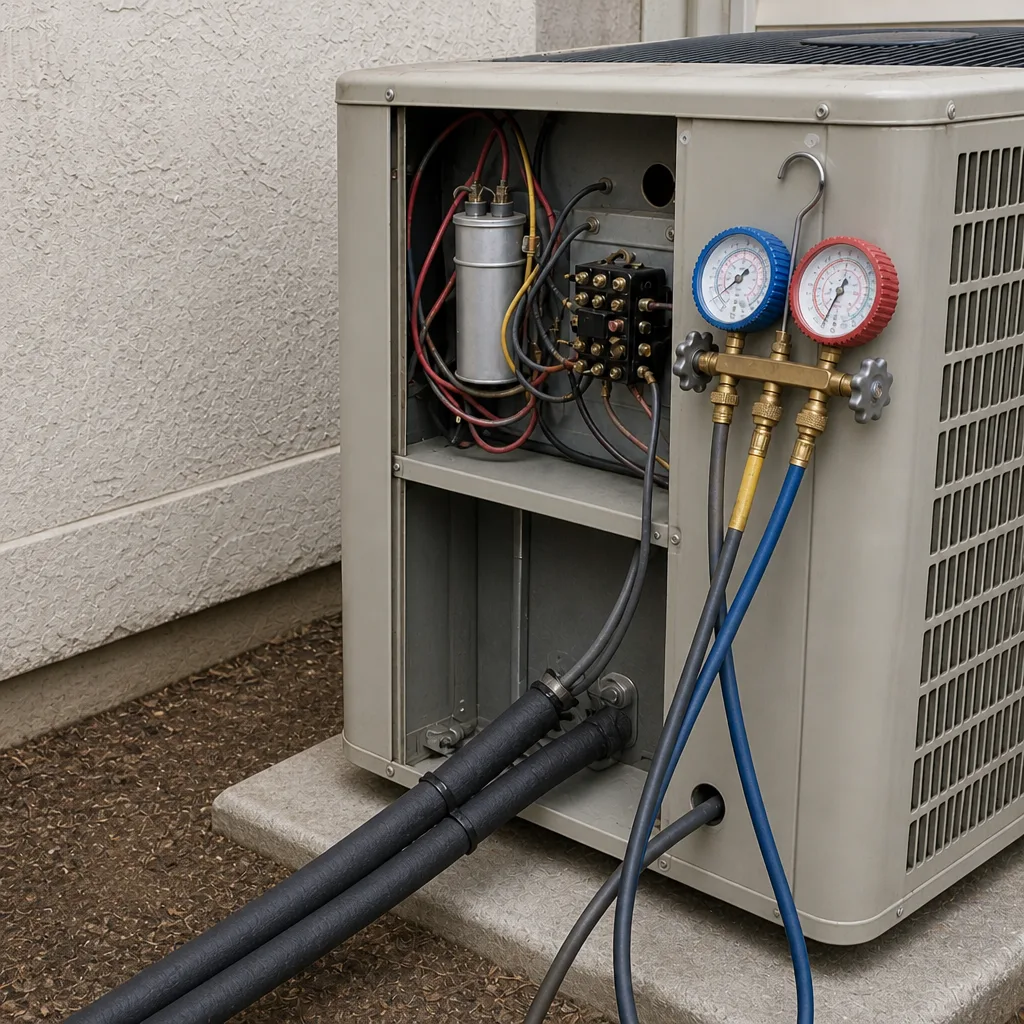
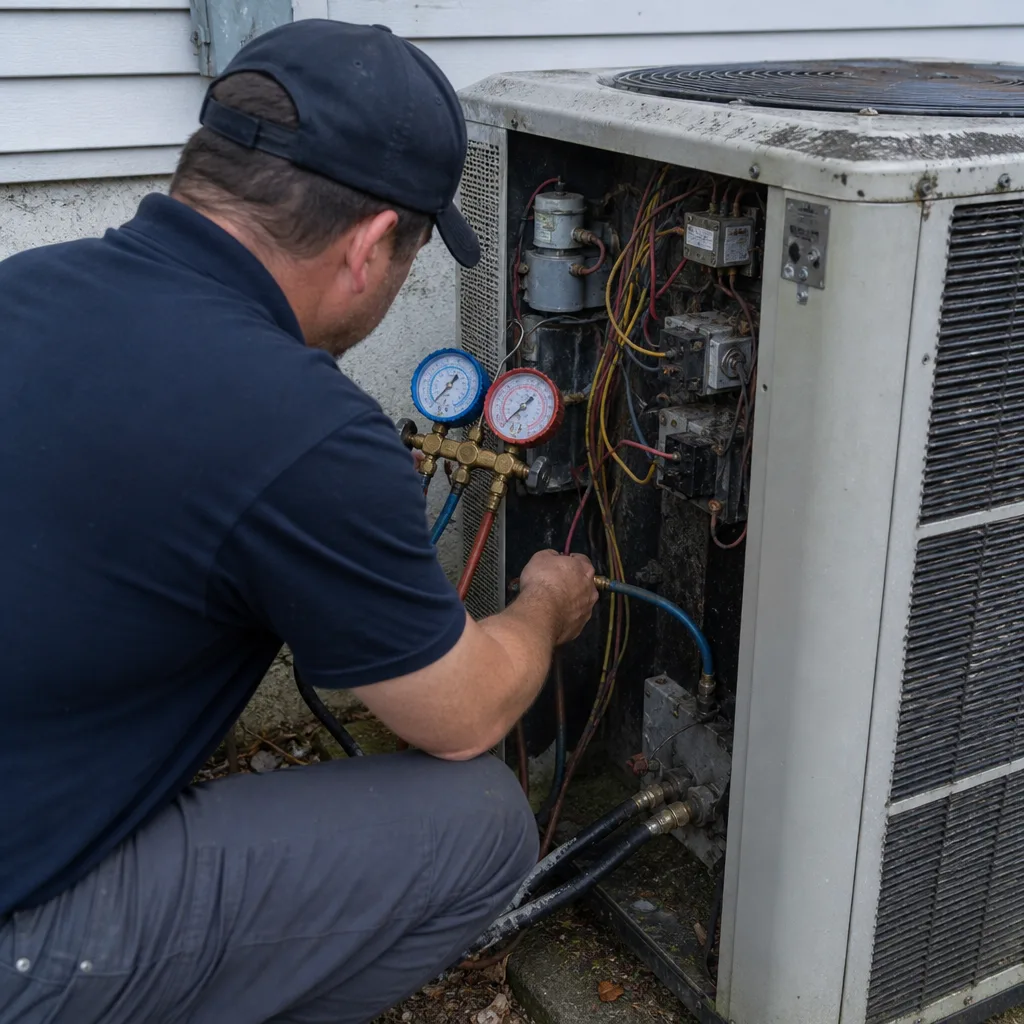
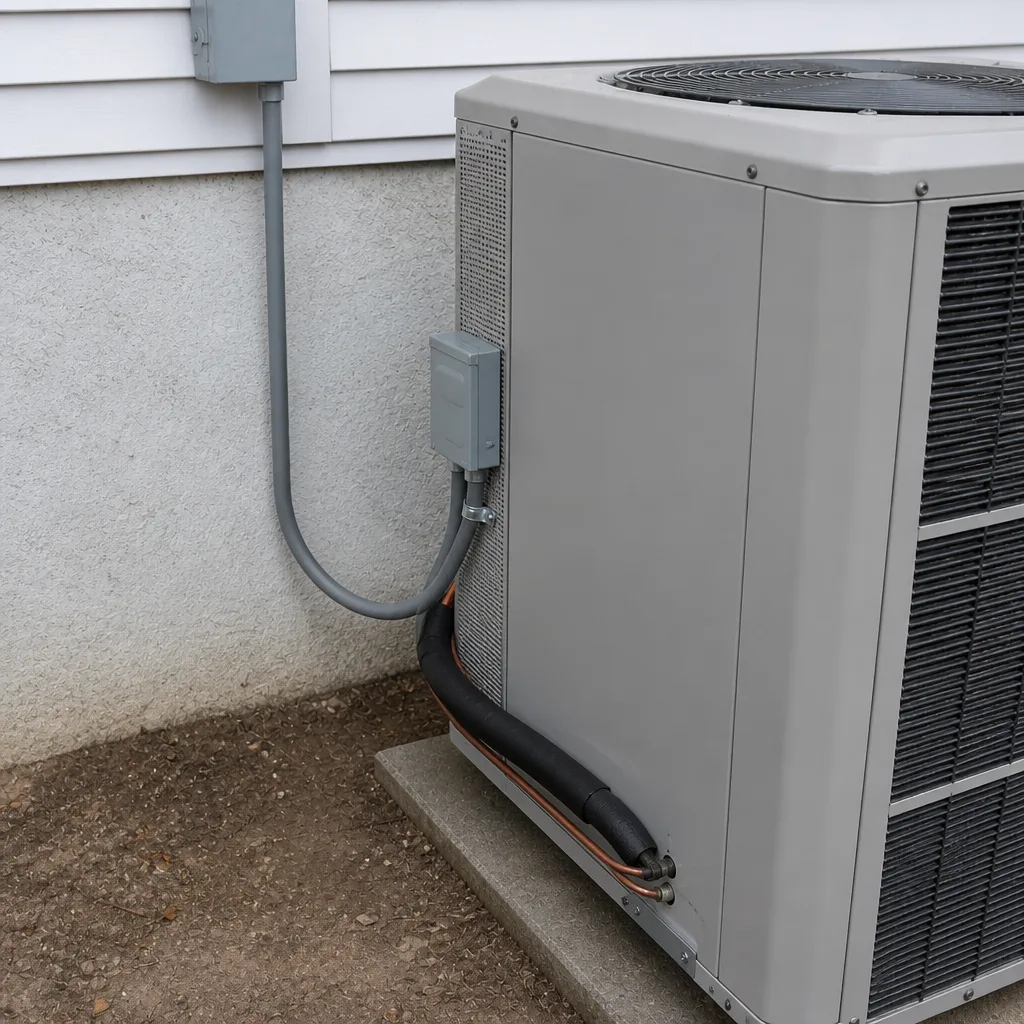
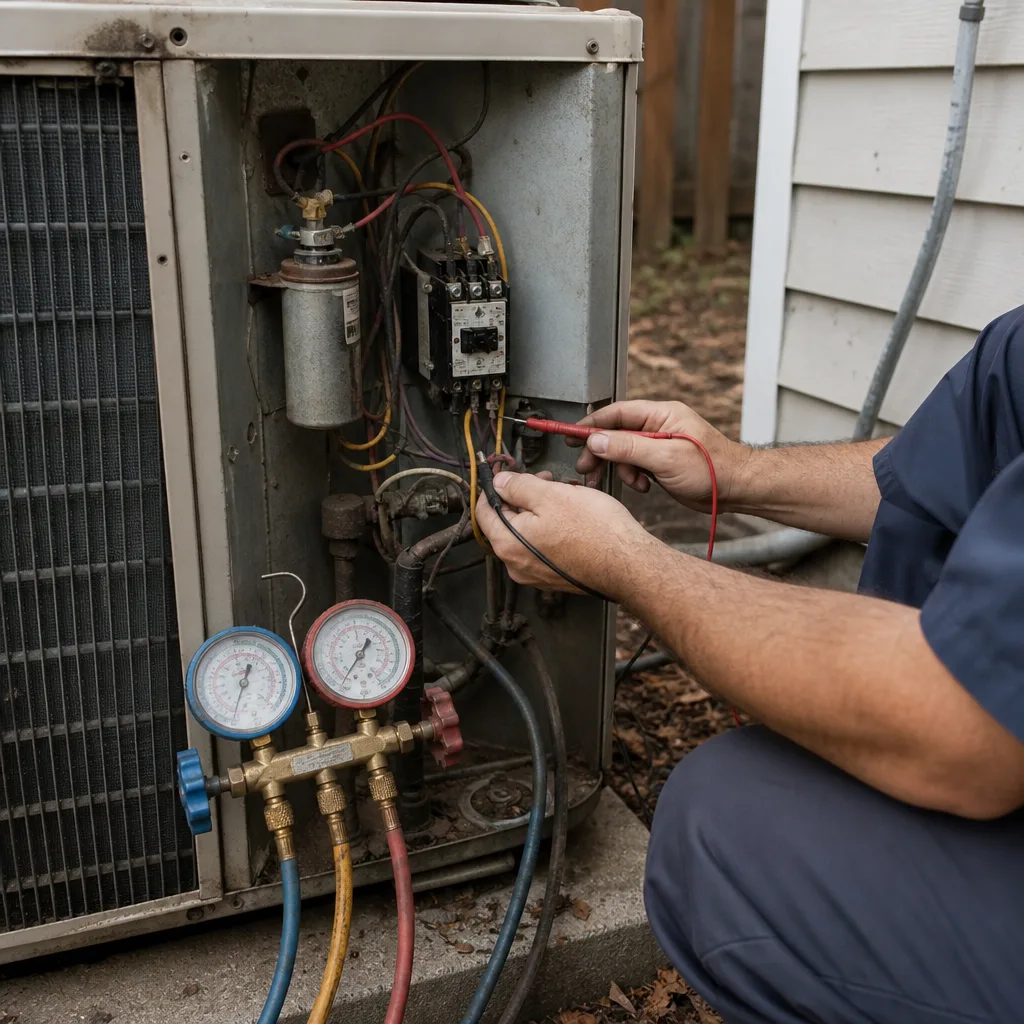
See the difference
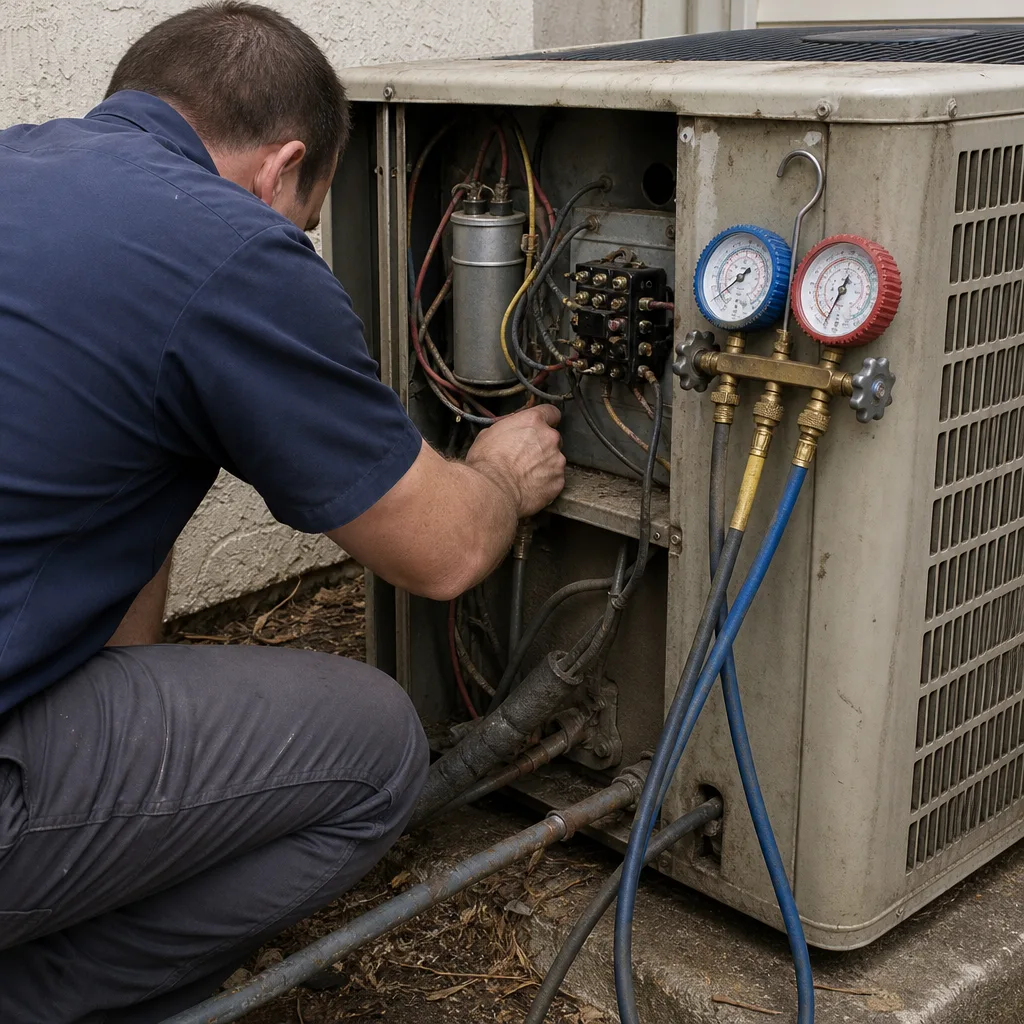 Before
 After
 Before
 After
 Before
 After
When to Call a Professional
Call a licensed HVAC contractor when the system is failing outright, when you’re planning a replacement, when you’ve found a permit gap on a home you’re buying or selling, or when the scope of the repair is beyond a filter, a thermostat, or a minor electrical component. Refrigerant circuit work, electrical panel connections, and gas appliance work are all areas where a trained professional needs to be on the job – the permit and the inspection exist because those are the things that go wrong quietly. If you’re in Brandon and you need a straight read on whether a job needs a permit, what the permit process looks like, or a documented install that will hold up when a buyer asks: Sentry AC Repair offers free estimates in Brandon – call (844) 638-9793. Our technicians have up to 9 years of experience, and we work on your system, not against your budget. We answer 24/7, and our fast dispatch from 7am to 7pm gets a technician on the way.
Frequently Asked Questions
Yes. A full residential AC replacement in Brandon and the rest of Hillsborough County requires a permit and at least a final inspection. The permit is filed by the contractor, and the inspection record attaches to the property address. Call (844) 638-9793 for a free estimate that includes the permitting step.
Filter replacement, thermostat replacement (same voltage class), condensate drain clearing, capacitor or contactor replacement, and diagnostics-driven repairs that don’t open the refrigerant circuit are typically exempt. Anything that touches the sealed refrigerant circuit, changes the electrical circuit feeding the equipment, or alters the structural envelope of the home requires a permit.
Search the property address through Hillsborough County’s online permitting portal. Filter by mechanical or HVAC permit type and look for permit status. A finaled or closed permit with a passed inspection is the documentation a buyer or insurer will want. An expired or missing permit is the starting point for a retroactive permitting conversation.
The contractor pulls the permit in their own name and license, but the property owner remains responsible for code compliance on the property. If the permit is never closed or the work fails inspection, the open permit follows the address, not the contractor. Verify the license through Florida’s DBPR before signing anything.
The system may work after installation, but the missing permit surfaces later. It typically appears during a home sale when the buyer’s inspector checks the county record, or during an insurance claim when the adjuster reviews the documentation on the install. Retroactive permitting is possible but usually more expensive than the original permit would have been.
A standard residential permit in Hillsborough County typically issues within a few business days, and the inspection scheduling window adds a short wait after installation. Budget one to two weeks of total permit and inspection time on a full replacement. For a repair that needs no permit, our Brandon team can often diagnose and fix it the same day – call (844) 638-9793.
The Bottom Line
The permit isn’t a bureaucratic step – it’s the documentation that protects the value of your Brandon home when you need it most. Full system replacements, new installations, refrigerant circuit work, electrical changes, and any job that cuts into the structure of the home require a permit and Hillsborough County inspection. Filters, thermostats, and minor repairs don’t. The permit is pulled by the contractor, but the code record follows the property – which means a missing permit on your home is your exposure, not theirs. Check the county’s online portal before buying, keep every inspection record after installing, and verify the contractor’s license before work starts. If you want a Brandon HVAC company that treats permits as risk management rather than paperwork, call Sentry AC Repair at (844) 638-9793 for a free estimate. Our technicians have up to 9 years of experience, we service Lennox, Goodman, Rheem, York and five other major brands, and we handle the permit process as part of the job.
Written by the team at Sentry AC Repair.