
Last updated November 15, 2026
 AC repair
 Furnace & heating
 Heat pumps
 Ductless mini splits
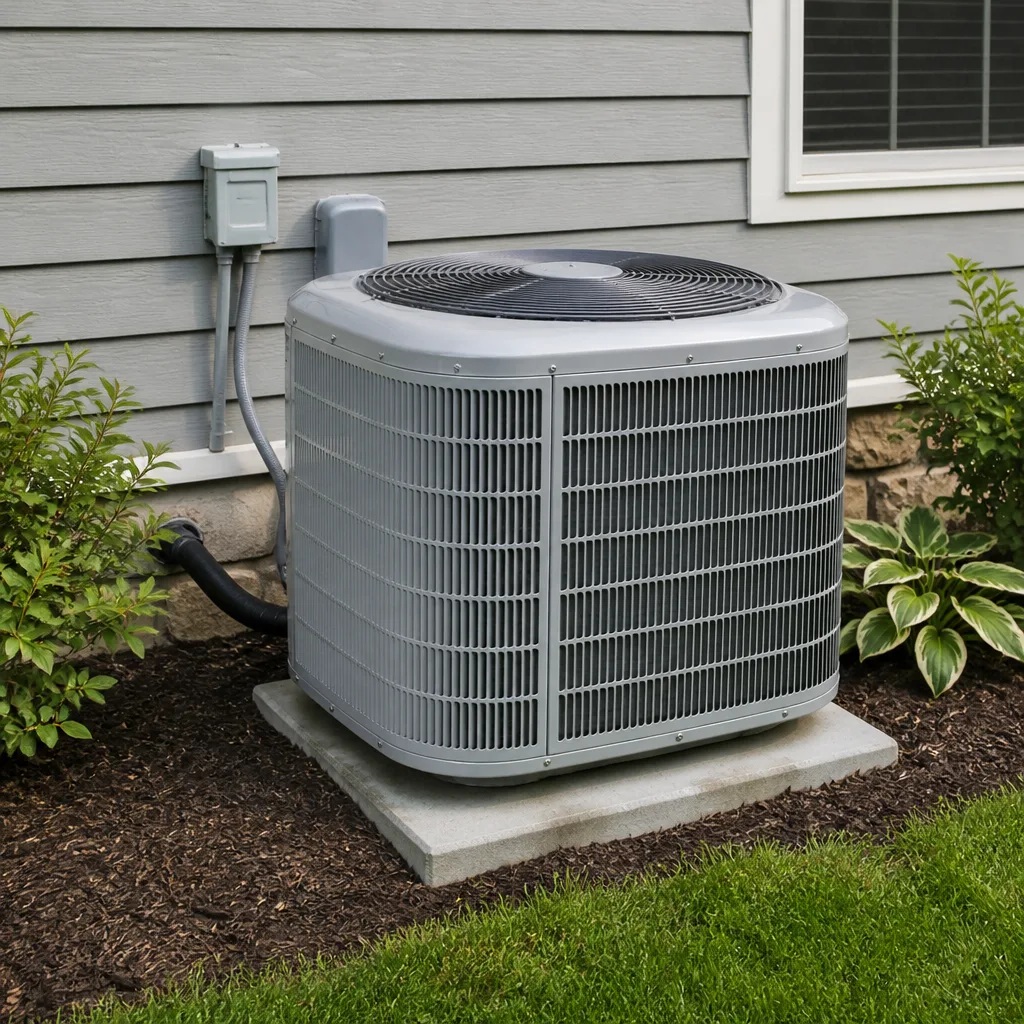 Carrier
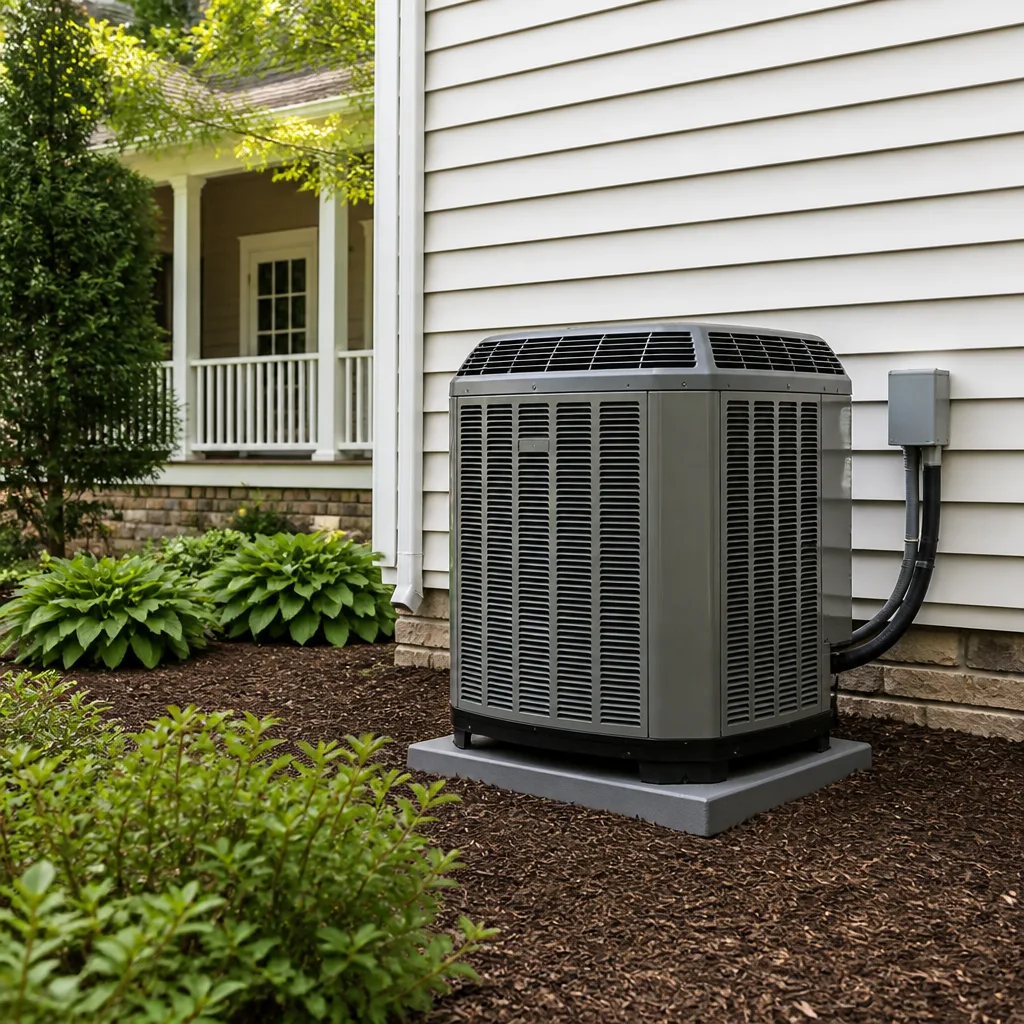 Trane
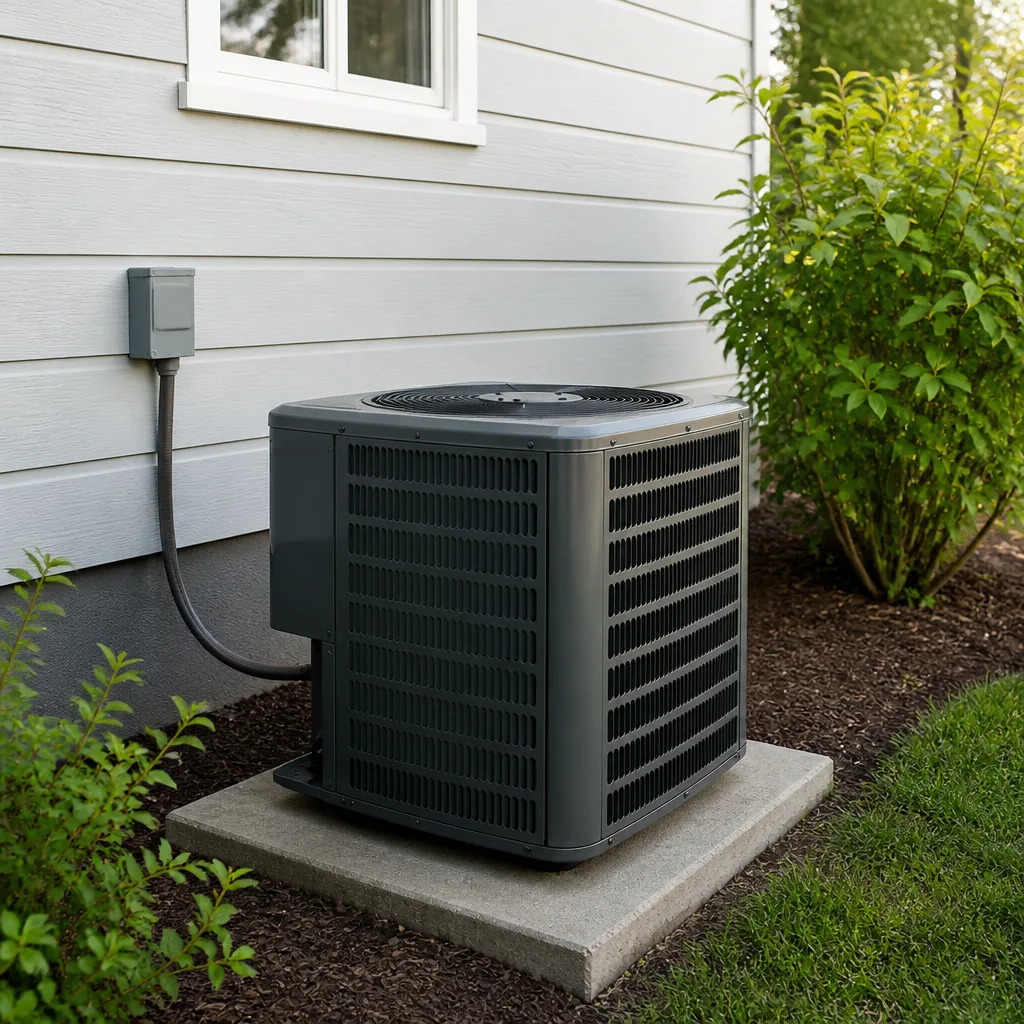 Goodman
Seasonal tune-up and full diagnostic on your Carrier, Trane, or Goodman system - readings shown to you before any repair is proposed
Diagnosis first, numbers second - you approve the repair price before a single part goes in.
Get your free estimateHVAC Warning Signs: A Brandon Homeowner’s Reference Guide
Two systems that short-cycle look identical from the hallway. One kicks on, runs eight minutes, and shuts off. The other runs three minutes and shuts off. Both are “short-cycling.” But the eight-minute cycle usually points to an oversized system or a thermostat sitting in the wrong place, while the three-minute cycle usually points to a refrigerant charge problem or a failing pressure switch. Same symptom, different cause, wildly different repair. Conflating them is how homeowners end up paying for the wrong fix in Brandon. This guide maps each warning sign you can actually observe (sounds, airflow, temperature, humidity, odors, energy bills) to its probable cause, an urgency tier, and whether it’s a check you can do yourself or a call-now situation.
Quick Answer
Most HVAC warning signs fall into two buckets: signs of a repairable problem (odd smells, weak airflow, a system that runs long, small energy bill jumps) and signs of a system that’s approaching end-of-life regardless of how many repairs you throw at it. The single most useful thing a Brandon homeowner can do is describe the symptom precisely – when it happens, how long it lasts, what it sounds or smells like – because an accurate description is what separates a targeted diagnosis from a guess.
Styles & brands we work with
- AC repair
- Furnace & heating
- Heat pumps
- Ductless mini splits
- Carrier
- Trane
- Goodman
Table of Contents
- What Short-Cycling Really Means (And Why Eight Minutes Matters)
- Sounds: The Full Interpretation Guide
- Airflow Problems: Weak, Uneven, or Gone
- Temperature Problems: Not Cooling, Not Heating, or Fluctuating
- Humidity and Musty Odors in Brandon Homes
- Energy Bill Spikes: What They Actually Tell You
- Urgency Tiers: Schedule, Soon, or Call Now
- How to Describe a Symptom Over the Phone
What Short-Cycling Really Means (And Why Eight Minutes Matters)
Short-cycling is the single most misinterpreted HVAC symptom, and getting it right saves people real money. A normal cooling cycle in Brandon runs somewhere in a loose range depending on the outdoor temperature, the size of the house, and how well the home is insulated. What tells a technician something is wrong isn’t “it stops and starts” – every system does that – it’s the rhythm.
Here’s how to read the two patterns most homeowners confuse:
- The long cycle that shuts off early (“oversized” or “thermostat” pattern): The system cools the house fast, shuts off, and stays off for a long stretch. It reaches setpoint too quickly. Common causes: an oversized system installed for a house that’s since had insulation or window upgrades, a thermostat positioned where it catches cold air from a vent, or a thermostat positioned in a hallway that gets sun. The system isn’t broken; it’s getting bad instructions or is sized wrong for the actual load.
- The short cycle that repeats every few minutes (“pressure” or “charge” pattern): The system turns on, runs briefly, shuts off, then comes right back on. This is the signature of a low refrigerant charge (which trips a low-pressure switch), a clogged filter or restricted coil, or a failing control board. Left alone, this cycle wears out the compressor – the most expensive single part in the system.
In our experience across Brandon neighborhoods, the second pattern is the one people ignore because “it’s still cooling.” It usually is, for a while. But a compressor that’s cycling hard every few minutes ages fast, and replacing one often costs more than the repair that would have prevented it.
What to check first: Change the filter. Look at where the thermostat sits – is it near a return, a register, or direct sun? Those two checks eliminate a surprising share of short-cycling complaints before anyone needs to come out. If the filter is clean and the thermostat location is reasonable, this is a call-it-in symptom, not a wait-and-see one. AC repair at this stage is almost always cheaper than compressor replacement later.
Sounds: The Full Interpretation Guide
Noise is the most underrated diagnostic tool a homeowner has. You hear the system dozens of times a day; a technician hears it once. Here’s what each sound usually points to and how urgently it should be treated.
Buzzing or humming that’s louder than usual
Often a loose electrical contactor, a failing capacitor, or a relay that’s chattering. A capacitor on its way out is cheap to replace; a contactor that’s arcing can cause bigger problems if left. Not an emergency, but not something to sit on for weeks.
Rattling or clanking
Usually a loose panel, a fan blade that’s out of balance, or debris that’s gotten into the outdoor unit. If it sounds like metal on metal, shut the system down and call – a loose blade can damage the compressor housing if it’s left spinning.
Banging on startup
This one deserves attention. A single loud bang when the system starts can indicate a failing compressor, a loose internal component, or a duct that’s flexing under pressure changes. One bang is worth a scheduled visit; repeated banging is a shutdown-and-call situation.
Squealing or screeching
Typically a blower motor bearing starting to fail. In Florida homes that run the system year-round, blower motors see a lot of hours, and a squeal is an early warning, not a late one. Catching it early means a motor replacement; missing it can mean a seized motor and a hot house.
Hissing
In a refrigerant system, hissing can mean a small leak at a fitting. It can also be airflow noise through a partially closed register, so check your vents before assuming the worst. A hiss that’s persistent and located near the indoor coil or outdoor unit is worth a professional look.
One thing to be careful about: if you hear any of these sounds coming from inside the electrical panel or the outdoor disconnect, don’t open anything. Call a technician. Electrical work inside an HVAC cabinet carries real risk, and it’s not a job for a homeowner with a screwdriver.
Airflow Problems: Weak, Uneven, or Gone
Airflow is the circulatory system of your house, and when it’s off, everything downstream suffers. The most useful distinction is whether the problem is uniform (weak everywhere) or local (bad in one room or one side of the house).
Weak airflow everywhere
Start with the filter. A clogged filter is the single most common cause of weak airflow, and in Brandon’s dusty summers it happens faster than people expect. Beyond that, weak-everywhere airflow usually comes from a blower motor that’s slowing, a duct system with significant leakage, or a coil that’s iced over. If the outdoor unit is running but the indoor coil looks like a block of ice, shut the system off and call – a frozen coil is usually a refrigerant or airflow issue, and running it frozen can damage the compressor.
Uneven airflow (one room hot, another cold)
This is a duct design issue more often than an equipment issue. Common culprits:
- A flexible duct that’s been kinked or crushed during a renovation
- A register that’s been closed or blocked by furniture
- A duct that’s come loose at a collar in the attic
- A zone damper stuck in one position
In Brandon’s older homes, duct systems installed decades ago often weren’t sized for the way people actually use the rooms today – a converted garage, a sunroom, an added bedroom. That’s a design conversation, not a repair, and it’s worth knowing the difference before you call.
Airflow that’s fine, then vanishes
If the system blows strong for a while and then goes quiet, the likely cause is a coil icing over or a blower shutting down on thermal overload. Both are call-in symptoms. A blower motor that’s overheating because of a failing bearing can be a fire hazard in the wrong conditions, so this is a “schedule soon, don’t ignore” situation.
Temperature Problems: Not Cooling, Not Heating, or Fluctuating
Temperature complaints are where homeowners most often jump to “the system is dying” – and where it’s most often something simpler. The right question is: is the system not reaching setpoint, is it reaching setpoint and then losing it, or is it overcorrecting (too cold, then too warm)?
Reaches setpoint but the house still feels sticky
This is a humidity problem dressed up as a temperature problem. The thermostat is satisfied but the air feels clammy because the system isn’t running long enough to pull moisture out of the air. In Brandon, where the summer air is genuinely heavy, a system that’s slightly oversized will cool fast and dehumidify poorly. We see this most in newer construction where the load calculation was done for the original spec, then insulation or windows were upgraded and the system became oversized for the actual house.
Never reaches setpoint
Common causes in order of likelihood: a dirty filter, a low refrigerant charge, a failing compressor, or a house that’s gained more heat load than the system was sized for. A system that “runs all day” in July in Brandon is not automatically broken – it may simply be doing its best against a hotter house than the system was designed around. But if it ran fine last summer and can’t keep up this summer, something changed, and that’s a call.
Fluctuates around setpoint
If the thermostat reads 76, then 74, then 77, then 75 with no obvious reason, suspect the thermostat itself, a short in the thermostat wire, or a control board that’s losing its signal. Cheap to diagnose, and usually cheap to fix.
Not heating (in winter)
Brandon winters are mild but not absent, and a furnace failure on the handful of genuinely cold mornings is a real comfort issue. A furnace that won’t light can be a sensor, a control board, or a gas supply issue. Gas line work is not a homeowner job. If you smell gas, leave the house and call the gas utility first, then call for service.
Humidity and Musty Odors in Brandon Homes
This is the section most warning-sign guides skip, and it’s the one that matters most here. A musty, damp smell in a Brandon home is very often not a system failure – it’s a maintenance issue that’s been allowed to develop, and misreading it leads to unnecessary replacements.
Musty smell + normal cooling
Most likely a damp evaporator coil, a wet drain pan that isn’t draining, or a condensate line that’s clogged and backing up into the cabinet. In a Brandon summer, a clogged condensate line is one of the most common service calls, and it’s a maintenance fix, not a system failure. If the smell shows up after a stretch of humid weather and the system is otherwise cooling fine, start here.
Persistent musty smell + weak cooling
Now you’re in a different category. A coil that’s staying wet plus a system that’s underperforming can mean the drain pan is overflowing into the ductwork or the cabinet is holding moisture. That combination can lead to mold growth on insulation or the blower housing, which is an indoor air quality concern, not just a comfort one.
Humidity climbing inside while the system runs
If the outdoor humidity is high and the indoor humidity is tracking it upward even with the system running, either the system isn’t dehumidifying effectively (oversize, airflow too high) or there’s a source of moisture the system can’t keep up with – a duct leak in the attic, a bath fan venting into the attic instead of outside, or a house that’s too tight for its own ventilation. This is where a technician needs to walk the house, not just look at the equipment.
Odors that are not musty
A “dirty sock” smell from a vent is often biological growth on the coil or in the drain pan. A sweet or chemical smell can mean a refrigerant leak. An electrical burning smell is a shutdown-and-call situation. Knowing which smell you have changes the response time significantly.
Energy Bill Spikes: What They Actually Tell You
A rising electric bill is a warning sign, but it’s a lagging one – by the time you see it, the problem has been developing for at least a billing cycle. The useful question is whether the spike is a system problem or a house problem.
Spike + system runs longer than usual
Likely a system efficiency issue: low refrigerant charge, a dirty condenser coil, a failing capacitor on the outdoor fan. All are repairable, and all are cheaper to fix when caught early.
Spike + system runs normal hours
Likely a house problem: added heat load (a new addition, a home office with equipment running all day, a sunny window with no shade), a duct leak in the attic pulling in hot air, or an appliance change. A duct leak in a Brandon attic can waste a meaningful share of your cooling, and it’s fixable without touching the equipment.
Spike + system runs a lot but house feels fine
This pattern often points to the system working harder than it needs to because of a partially clogged filter, a condenser coil that’s been allowed to get dirty, or a compressor that’s losing efficiency. Scheduled maintenance is what catches this pattern before it becomes a repair.
One rule of thumb worth knowing: an energy bill that jumps more than a modest amount from one month to the next, with no change in weather or usage, is a signal worth investigating – not necessarily a red alert, but not something to ignore either.
Urgency Tiers: Schedule, Soon, or Call Now
Tiering symptoms is how you avoid both unnecessary emergency calls and dangerous waiting. Here’s how we sort them.
Tier 1 – Schedule a visit (not urgent)
- Slightly higher energy bills with no comfort change
- Faint musty smell that comes and goes
- Uneven cooling between rooms
- System that runs a little longer than it used to but still reaches setpoint
- Thermostat that reads slightly off but functions
These are the warning signs that respond well to a scheduled appointment, and they’re often the ones that save the most money because the fix is small.
Tier 2 – Schedule soon (within days)
- Short-cycling every few minutes
- Repeated clicking or a contactor that chatters
- Weak airflow that isn’t fixed by a filter change
- Refrigerant smell
- System that runs continuously without reaching setpoint
These are developments that, left too long, turn into bigger repairs. A capacitor that’s failing becomes a compressor that fails; a low charge becomes a damaged compressor or a frozen coil.
Tier 3 – Call now (don’t wait)
- Any burning smell or smell of hot plastic from the equipment
- Sparking, smoke, or buzzing from the electrical panel or disconnect
- A gas smell in the house (leave first, then call)
- A frozen outdoor unit or indoor coil that won’t clear after shutting the system off
- Banging or repeated loud noise on startup
- A system that shuts off and won’t restart at all during a heat wave
For Tier 3 symptoms, call Sentry AC Repair. We answer 24/7. Fast dispatch from 7am to 7pm, Sunday through Friday. For a Tier 1 or Tier 2 symptom, the same number gets you a scheduled visit and a written estimate before any work begins.
How to Describe a Symptom Over the Phone
A technician walking in the door already needs three things: what you hear or feel, when it happens, and what’s changed recently. If you can give those three, the diagnosis is faster and more targeted – which means less time paid for, and less guesswork. Here’s the structure we recommend.
Step 1 – Say what you observe, not what you think it is
“My system is broken” is not a symptom. “The system runs three minutes, shuts off, and comes back on within a minute” is. “It’s not cooling” is vague; “The vents are blowing but the air feels warm, and it’s been like that for two days” is useful.
Step 2 – Note the timing
Does it happen on startup, after ten minutes, only in the afternoon, only when it’s hottest? Timing narrows causes quickly. Short-cycling every few minutes points one direction; short-cycling once per hour points another.
Step 3 – Note what changed
New furniture blocking a return? A different thermostat setting? A recent power outage? A new appliance? A change in filter brand? These details often point directly at the cause.
Step 4 – Say what you’ve already checked
Filter changed, thermostat batteries fresh, breaker not tripped, outdoor unit clear of debris. Being specific about what you’ve checked saves a technician from re-checking it and lets them focus on the actual cause.
One last tip: if you can hear the sound, don’t describe the sound – record it or imitate it. A technician who’s heard thousands of blower motors can identify one from a short recording in seconds. And if the system is under a brand you haven’t mentioned, say the name: we’re set up to work on Carrier, Trane, Bryant, and American Standard systems alongside the rest of the nine brands we’re certified on, and naming the brand helps match the call to the right technician.
Common Mistakes to Avoid
- Treating every short cycle as “the system is dying.” As covered earlier, an eight-minute cycle and a three-minute cycle are different problems. Assuming the worst is how a $180 capacitor job becomes a $6,000 replacement pitch.
- Ignoring a musty smell because the house still feels cool. In Brandon’s humidity, a musty smell that’s allowed to persist can mean growth in the ductwork or the cabinet. That’s an indoor air quality issue, not just a comfort one.
- Closing vents in unused rooms to “save money.” In many systems this raises static pressure and actually reduces efficiency, sometimes enough to freeze the coil. Bedroom doors closed all day do the same thing. It’s one of the most common self-inflicted airflow problems we see.
- Assuming a professional brand dealer is the only safe option. A brand-agnostic technician can service your existing system regardless of what’s installed, which matters if you inherited the system with the house and don’t want to be steered into a specific manufacturer’s replacement.
- Filter neglect in the summer. Brandon summers are long, and the filter is doing more work than it does in cooler climates. A filter that would last three months elsewhere is often ready at six weeks here. Check it monthly from May through October.
- Calling for an emergency service while describing a scheduled-tier symptom. It costs more attention, and it doesn’t get a better result. Knowing which tier you’re in is the most useful pre-call prep you can do.
- Not asking whether a repair is being done on a system that’s near end-of-life. If the system is approaching replacement age, a $900 repair may not be the right call even if it would “work.” Ask the technician to tell you how much life is left in the equipment, not just how much the repair costs.
See the difference
 Before
 After
 Before
 After
 Before
 After
When to Call a Professional
Call a professional for anything that involves the refrigerant circuit, the electrical panel, the gas line to a furnace, or the compressor – those are not homeowner jobs, and the risk of injury or further damage is real. Call for any Tier 2 or Tier 3 symptom on the list above. And call for a scheduled maintenance visit if your system hasn’t been checked in a year, because at that point the symptoms you can’t observe are the ones that matter most.
Sentry AC Repair offers free estimates in Brandon. Call (844) 638-9793. We answer 24/7 and provide fast dispatch from 7am to 7pm, Sunday through Friday. Our technicians have up to 9 years of experience and are certified to service Carrier, Trane, Lennox, Goodman, Rheem, York, Daikin, Bryant, and American Standard equipment, so whatever’s already installed in your Brandon home is a system we’re set up to work on, not one we’ll try to talk you out of.
Frequently Asked Questions
Change the filter and check that the outdoor unit is clear of debris and that the breaker hasn’t tripped. Those three checks resolve a good number of “not cooling” calls before a technician is needed. If the house still isn’t cooling with a clean filter and a clear outdoor unit, it’s time to call.
Count the minutes. A normal cycle runs long enough to actually cool the house; a short cycle turns on, runs briefly, and shuts off before the house has really dropped in temperature. If it cycles more than a handful of times in an hour, treat it as short-cycling and get it looked at.
No. In Brandon’s humidity, a musty smell is very often a clogged condensate line, a wet drain pan, or a damp coil that needs cleaning – all maintenance items, not failures. But if the smell persists after servicing the drain and coil, or comes with weak airflow, it moves into the “call a technician” category.
For Tier 1 symptoms, waiting a few weeks is usually fine. For short-cycling, weak airflow that isn’t fixed by a filter change, or a refrigerant smell, waiting is how a small repair becomes a compressor replacement. In Brandon the cooling season runs long, so the window between “minor symptom” and “big repair” is shorter than people expect.
It depends on the age of the equipment, the cost of the repair, and the pattern of the symptoms. A single repairable warning sign on a system with useful life left is usually a repair. Multiple warning signs on the same system, arriving close together, often point toward AC installation planning – not because the technician wants to sell you a new system, but because repeated repairs on a system near end-of-life cost more than the system is worth.
The symptom (what you hear, feel, or smell), when it happens, what’s changed recently, and what you’ve already checked. Also have your equipment brand ready – if it’s Bryant, Carrier, Trane, or American Standard, mention it so the call gets matched to the right technician. Call (844) 638-9793 for a free estimate.
The Bottom Line
Most HVAC warning signs are readable. Short cycles, odd sounds, weak airflow, musty smells, and energy bill jumps each point to a specific probable cause, and getting the cause right is what avoids paying for the wrong fix. Tier your symptoms – schedule, soon, or call now – and describe them precisely when you call. Short-cycling is the sign most often misread; musty humidity in Brandon is the sign most often ignored; energy bill spikes are the sign most often noticed too late. Catching any of them at the Tier 1 stage is where a homeowner actually saves money.
Call (844) 638-9793 for a free estimate. We answer 24/7. Fast dispatch from 7am to 7pm, Sunday through Friday.
Written by the team at Sentry AC Repair.