
Last updated November 15, 2026
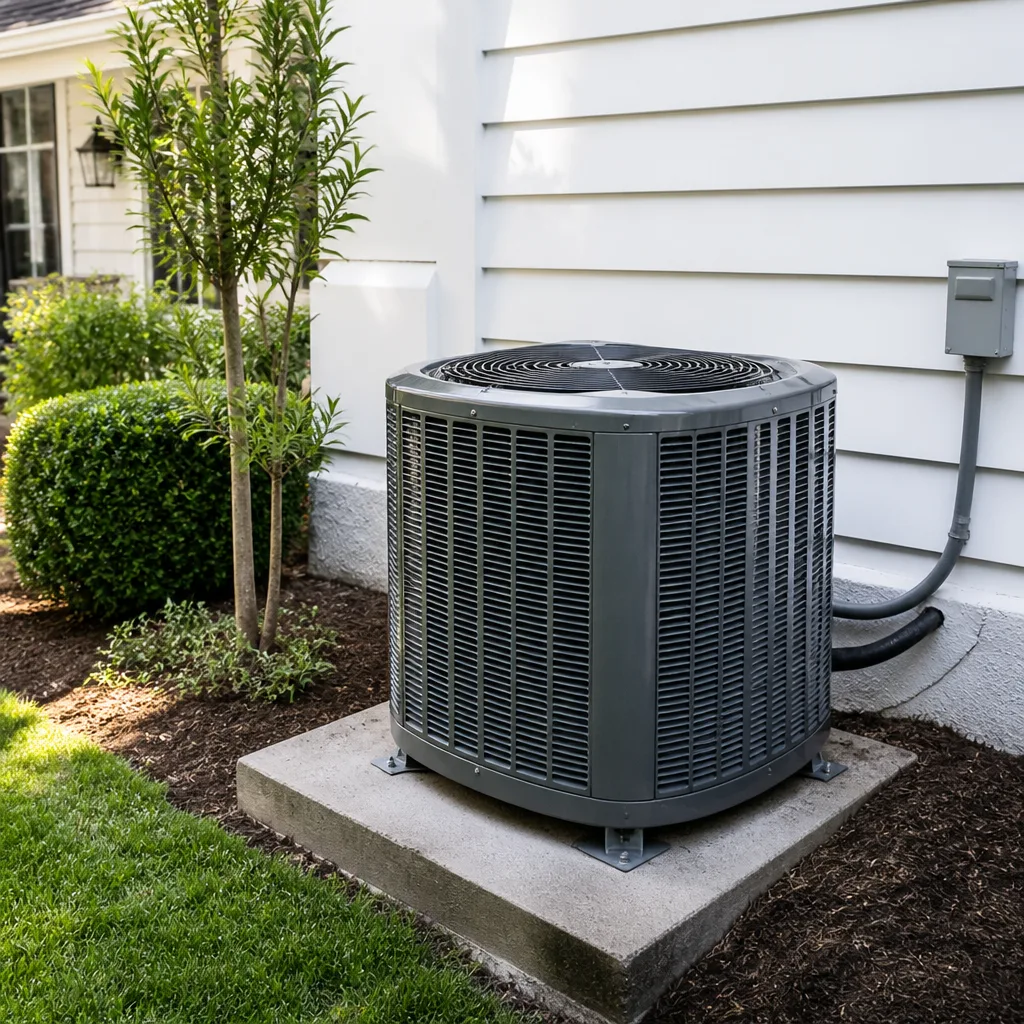 AC repair
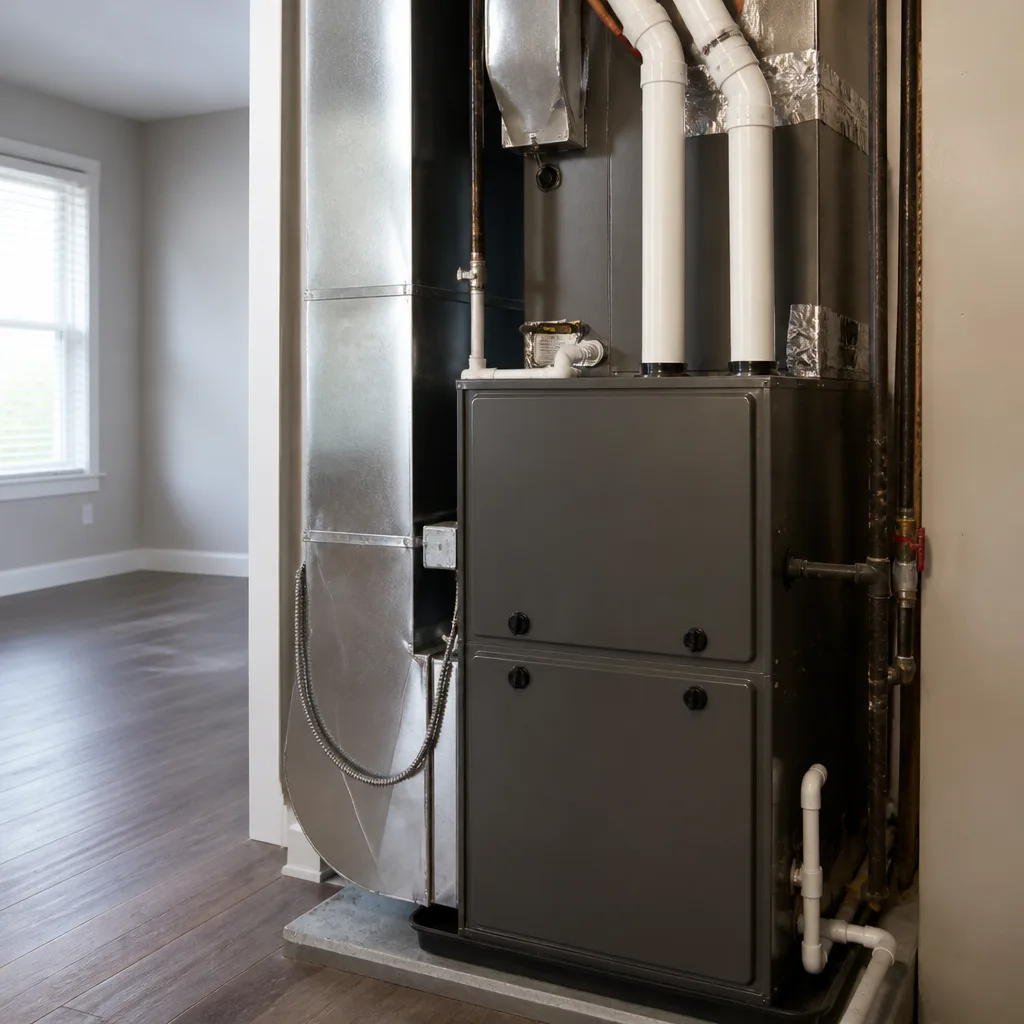 Furnace & heating
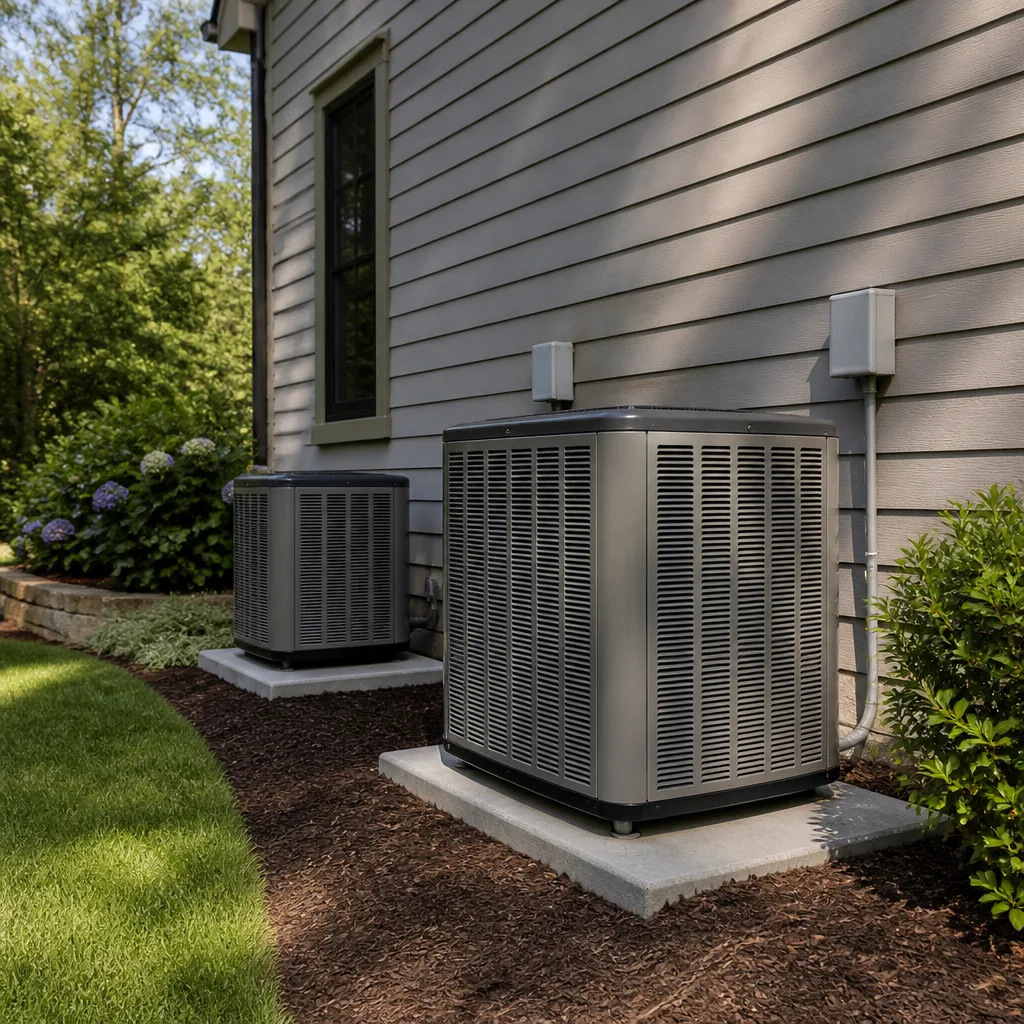 Heat pumps
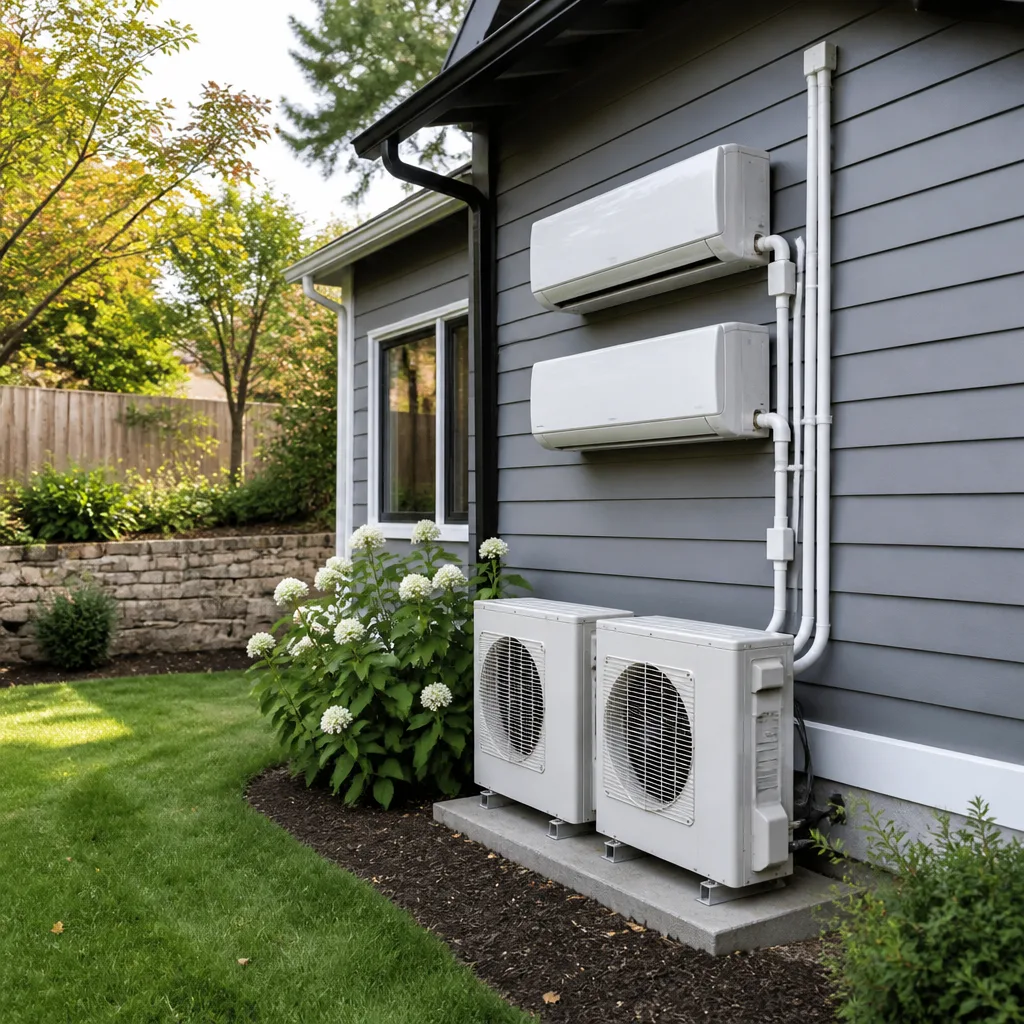 Ductless mini splits
 Carrier
 Trane
 Goodman
Seasonal tune-up and full diagnostic on your Carrier, Trane, or Goodman system - readings shown to you before any repair is proposed
Diagnosis first, numbers second - you approve the repair price before a single part goes in.
Get your free estimateAC Repair Maintenance Checklist for Brandon Homeowners
Ask most homeowners what kills an air conditioner and you’ll hear the same answer: the compressor, or a refrigerant leak. In our experience around Brandon, the quiet culprit shows up far more often. It’s the condensate drain line, a shallow PVC pipe that carries roughly a bucket of water a day out of your air handler during the humid months. Algae and mold grow inside that pipe, the line clogs, the drain pan overflows, and a float switch shuts the system down. It can take weeks to get there, with no noise and no warning. This guide sequences maintenance by what actually fails first in Brandon’s climate, not by alphabetical convenience, so you spend your attention where it counts.
Quick Answer
A Brandon homeowner’s AC maintenance checklist should prioritize the condensate drain (flush it monthly in summer), outdoor coil cleaning (every 3-4 months given pollen and construction dust), refrigerant line insulation inspection (annually, for UV damage), filter changes (monthly in peak season), and a professional tune-up at the start of cooling season. Most of this you can inspect yourself. Anything involving refrigerant, electrical components, or the compressor requires a licensed technician, and scheduling a professional AC repair in Brandon before summer is cheaper than an emergency call.
Styles & brands we work with
- AC repair
- Furnace & heating
- Heat pumps
- Ductless mini splits
- Carrier
- Trane
- Goodman
Table of Contents
- Why Failure Order Matters in Brandon
- The Condensate Drain Line: Your Number One Priority
- Coil Cleaning for Brandon’s Pollen and Dust
- Refrigerant Line Insulation and UV Degradation
- Air Filters: The Wrong Way Most People Do It
- Month-by-Month Maintenance Calendar for Brandon
- What You Can Inspect vs. What Needs a Licensed Technician
- Brand-Specific Notes: Goodman, Rheem, York, Daikin
Why Failure Order Matters in Brandon
Generic maintenance checklists hand you a task list that reads the same in Minnesota and Miami. That’s a problem, because the stresses on an HVAC system are not the same everywhere. In Brandon, the system runs hard for a long cooling season, pulls gallons of moisture out of the air every day, and sits under intense sun, all while the outdoor unit is exposed to fine construction dust from the growth corridors along SR-60.
That combination reshuffles the priority list. Condensate management becomes a monthly habit, not an annual one. Coil cleaning comes every few months, not once a year. And the insulation on your refrigerant lines gets baked by UV in a way that doesn’t happen in cooler, cloudier climates.
Ranking your tasks by failure probability, here’s the order that makes sense for a Brandon home:
- Condensate drain line – clogs fastest, causes shutdowns, easy to monitor
- Air filter – the cheapest fix, the most common cause of airflow problems
- Outdoor condenser coil – dirt and pollen drive up energy use and strain the compressor
- Refrigerant line insulation – degrades under Florida sun, and it’s a visual check
- Indoor evaporator coil – needs professional cleaning when it’s soiled
- Electrical components, contactors, and capacitors – professional territory
- Refrigerant charge – professional territory, and only checked with gauges
If you get the top four right, you’ll prevent a large share of the breakdowns we see in the field. The remainder belongs in a professional tune-up. This guide walks you through each one, month by month, with the Brandon climate in mind.
The Condensate Drain Line: Your Number One Priority
Your air handler pulls moisture out of the air every time it runs, and that water has to go somewhere. In most Brandon homes it drains through a PVC line that runs from the indoor unit to a floor drain, a utility sink, or an exterior wall. In a humid climate, that line is a growth chamber. Algae, mold, and biofilm thrive in the warm, wet, dark interior, and they build up slowly over months.
The signs of a partially clogged drain are subtle. You might notice a musty smell, a small amount of water in the drain pan, or a system that shuts off unexpectedly and then works again after a while. When the line fully clogs, the float switch trips and the system shuts down to prevent an overflow. By the time that happens, you’ve usually waited a long time.
How to Monitor the Drain Yourself
You don’t need to snake the pipe. You need to look at it. Here’s a simple monthly routine:
- Find the drain line at the air handler and trace it to where it exits.
- Look for standing water in the drain pan under the indoor unit.
- Check the outdoor drain outlet during a hot afternoon – if it’s dripping steadily, water is moving.
- Smell the air near the air handler – a sour or musty odor points to buildup.
- Note any water stains or soft spots on drywall or ceiling near the unit.
If any of those signs show up, have a technician clear and treat the line. A proper cleaning is not just a snake; it also treats the interior to slow regrowth. That’s the difference between a fix that lasts and one that plugs again in six weeks.
Coil Cleaning for Brandon’s Pollen and Dust
Your AC has two coils: the outdoor condenser coil and the indoor evaporator coil. Both matter, and both get dirtier here than in most parts of the country. Brandon’s pollen seasons run from late winter through spring, and areas near the SR-60 corridor see a steady supply of fine construction dust from new development. That dust settles on the condenser fins and, over time, insulates them from the air they need to shed heat.
A dirty condenser coil makes the compressor work harder and run longer, and that’s the single biggest driver of wear on the most expensive part of the system. It also raises your electric bill before it causes a failure, so there’s usually a warning period.
What You Can Do Safely
Homeowners can do limited exterior work:
- Turn the system off at the thermostat before touching anything outside.
- Clear leaves, grass clippings, and debris from around the base of the outdoor unit, keeping at least two feet of clearance.
- Rinse the outer fins gently with a garden hose, top-down, with low pressure – bending the fins with a pressure washer causes damage that costs more to fix.
- Look at the fins: if they look matted, gray-brown, or blocked with fuzz, they need a proper coil cleaning.
The indoor evaporator coil is a different story. It sits inside the air handler, behind the filter, and above the drain pan. Cleaning it properly involves accessing the cabinet, using the right cleaner, and making sure the drain is clear before and after. That’s a job for a technician, not a homeowner with a spray bottle.
In our experience, an indoor coil in Brandon homes should be inspected during every professional tune-up. If the coil is soiled, it needs to be cleaned before the summer peak.
Refrigerant Line Insulation and UV Degradation
Your refrigerant lines run from the outdoor condenser to the indoor air handler. They’re wrapped in foam insulation, and that insulation is exposed to direct sun and heat. In Florida, foam insulation breaks down faster than in most climates because UV light accelerates the process. The foam cracks, hardens, and flakes off, and once the line is bare, the system loses efficiency and the line sweats.
This is one of the easiest things for a homeowner to check, and one of the most commonly ignored. Walk outside and look at the lines where they come out of the wall and where they connect to the condenser. If you see bare copper, cracked foam, or sun-bleached sections that crumble when you touch them, the insulation needs replacing.
What Good Insulation Looks Like
- Intact foam with no visible cracks or splits
- No bare copper exposed along the line
- Tape or ties at joints that are holding, not peeling off
- No ice or frost on the line during operation
- No water dripping from the line where it enters the air handler
Replacing insulation is a low-cost job when it’s caught early. Ignoring it lets the system lose efficiency quietly and can eventually add stress to the compressor. If you see bare copper, that’s a call for a technician. If the foam is intact but fading, add it to your next tune-up list.
Air Filters: The Wrong Way Most People Do It
Everyone knows to change the filter. Fewer people know how often, or which filter to use. In Brandon, the standard advice of “every three months” is often too slow. Between pollen season and fine dust from construction corridors, a filter can load up in four to six weeks during the heavier months.
Filter choice matters as much as timing. A high-MERV filter catches finer particles but also restricts airflow. If your system wasn’t designed for a restrictive filter, it can push down efficiency and shorten the life of the blower. A 1-inch pleated filter in the MERV 8 to MERV 11 range is a sensible default for most Brandon homes. If your filter slot is 4 or 5 inches deep, a thicker filter of the same rating can last longer between changes.
Watch for these signs you’re changing it too late:
- The filter looks gray or matted when you hold it up to the light
- Airflow from the vents feels noticeably weaker than before
- The system runs longer to hit the same temperature
- Dust builds up on the grilles faster than usual
Change the filter on a calendar reminder tied to the seasons, not to how dirty it looks. In the pollen-heavy months, monthly changes are often the right call in Brandon.
Month-by-Month Maintenance Calendar for Brandon
Four-season maintenance templates don’t fit here. Brandon’s cooling season is long and its winters are mild, so the calendar looks different. Here’s the sequence we recommend, mapped to what the year actually does in this area.
Winter and Early Spring (December through February)
- Change the filter – even in the cooler months, dust load builds up
- Check refrigerant line insulation for winter UV damage
- Schedule the pre-season professional tune-up before the spring rush
- Clear debris from around the outdoor unit
Pollen Season (February through April)
- Change the filter monthly – pollen load is high
- Flush the condensate drain line monthly as runtimes increase
- Rinse the outdoor coil gently with a garden hose
- Watch for the first signs of restricted airflow
Peak Cooling (May through September)
- Change the filter every 4-6 weeks, depending on dust and pollen load
- Flush the condensate drain monthly – growth is fastest in these months
- Check the outdoor coil for matted fins, especially if you’re near construction
- Look at the drain pan for standing water after each hot stretch
- Note any change in system performance: short cycling, weak airflow, odd smells
Late Cooling and Transition (October and November)
- Change the filter as the cooling load eases
- Clean the outdoor coil at the end of the season to remove summer buildup
- Inspect insulation again before the low-demand months
- Schedule any repairs now, while the system isn’t needed at full capacity
If your system has sat through a long Brandon summer without a professional tune-up, schedule one before the next cooling season starts. That’s when a technician can catch the issues the calendar above won’t show you.
What You Can Inspect vs. What Needs a Licensed Technician
There’s a clear line between inspection and repair, and it’s not about how handy you are. It’s about safety and the tools required. Here’s the split we recommend for any Brandon homeowner.
Safe for Homeowners
- Changing air filters
- Checking the drain line for flow and the pan for standing water
- Clearing debris from around the outdoor unit
- Inspecting refrigerant line insulation for cracks or bare copper
- Rinsing the outdoor coil gently with a garden hose (power off)
- Looking at fins for matting or obvious blockage
- Noting changes in performance: weak airflow, short cycling, unexpected smells
Needs a Licensed Technician
- Anything involving refrigerant: checking charge, finding leaks, adding refrigerant
- Electrical components: capacitors, contactors, wiring, motors
- Cleaning the indoor evaporator coil
- Clearing and treating a clogged condensate drain
- Compressor diagnosis or replacement
- Any work inside the air handler cabinet
Two safety notes are worth stating plainly. First, refrigerant lines run under pressure and the refrigerant itself can cause serious injury if handled incorrectly. Second, the electrical components inside the outdoor unit and air handler hold a charge even after the breaker is off. A technician’s job is to work on those safely. A homeowner’s job is to know what to look for and call before something gets worse.
If you’re outside those limits and need a repair, we can help. Our technicians have up to 9 years of experience and are trained across nine major brands, so we can work on most systems without a learning curve. Our AC repair team diagnoses the problem first, then gives you a written estimate before any work begins.
Brand-Specific Notes: Goodman, Rheem, York, Daikin
Brand matters less than most homeowners expect, but there are still a few things worth knowing when you’re maintaining your system. Here’s what we’ve noticed across four brands common in Brandon homes.
Goodman
Goodman systems are common in this area and generally straightforward to service. If your system uses a Goodman air handler, watch the drain line closely – the internal design sometimes makes the float switch trip earlier than the homeowner expects, which can feel like a mysterious shutdown. That’s usually a sign of a partially blocked drain.
Rheem
Rheem equipment is often paired with specific thermostat controls, and those controls may have filter reminders you don’t see on the thermostat display. If your system runs longer than it used to, check the filter first before assuming something is wrong with the unit.
York
York systems in Brandon tend to show outdoor coil fouling quickly in high-pollen months. If the fins look matted, that’s worth a rinse or a professional cleaning before summer. Ignore it and the compressor works harder through the hottest weeks.
Daikin
Daikin equipment often has a slightly different outdoor cabinet design than older units. That means clearing around it matters as much as cleaning the coil itself. Pay attention to debris buildup behind the grille.
Whatever the brand, the process is the same: inspect the easy things, track the seasonal changes, and let a technician handle the rest. We service Carrier, Trane, Lennox, Goodman, Rheem, York, Daikin, Bryant, and American Standard systems, so we’re not tied to any single manufacturer’s parts pipeline or distribution quota. That’s the point of a brand-agnostic shop. We’re working for the homeowner, not for one brand’s sales target.
Common Mistakes to Avoid
- Waiting until the drain line is fully clogged. By the time the float switch trips, the problem has been building for months. Check the drain monthly in the humid season and treat the line when you see the first sign of slowing flow.
- Power-washing the outdoor coil. High-pressure water bends the fins, and bent fins insulate the coil from airflow. Use a garden hose at low pressure, top-down.
- Using the densest filter available. A filter that’s too restrictive chokes the system and shortens the blower’s life. Match the filter rating to what the system was designed for.
- Ignoring refrigerant line insulation. UV damage in Florida’s sun is real, and bare copper lines use more energy than insulated ones. It’s a five-second visual check.
- Skipping the pre-season tune-up. In Brandon, the first 90-degree week is when failures spike. A tune-up in March catches issues before they become emergency calls.
- Assuming a specific brand label drives the repair outcome. Repairs go better with a technician trained across brands than with a single-brand specialist. That’s not about loyalty; it’s about range.
- Confusing a maintenance plan pitch for a maintenance visit. What you actually want is a real tune-up: coils cleaned, drains checked, electrical parts tested, refrigerant charge verified. Ask what’s included.
See the difference
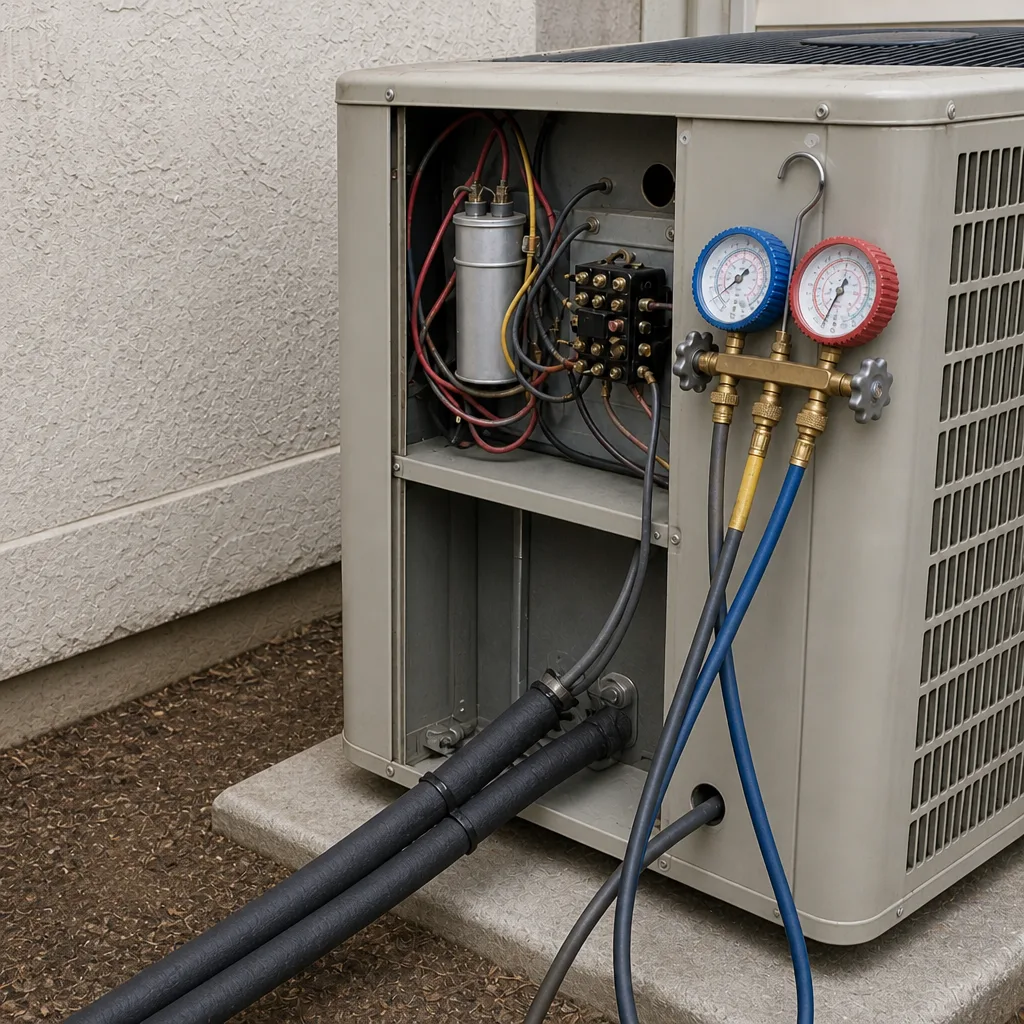
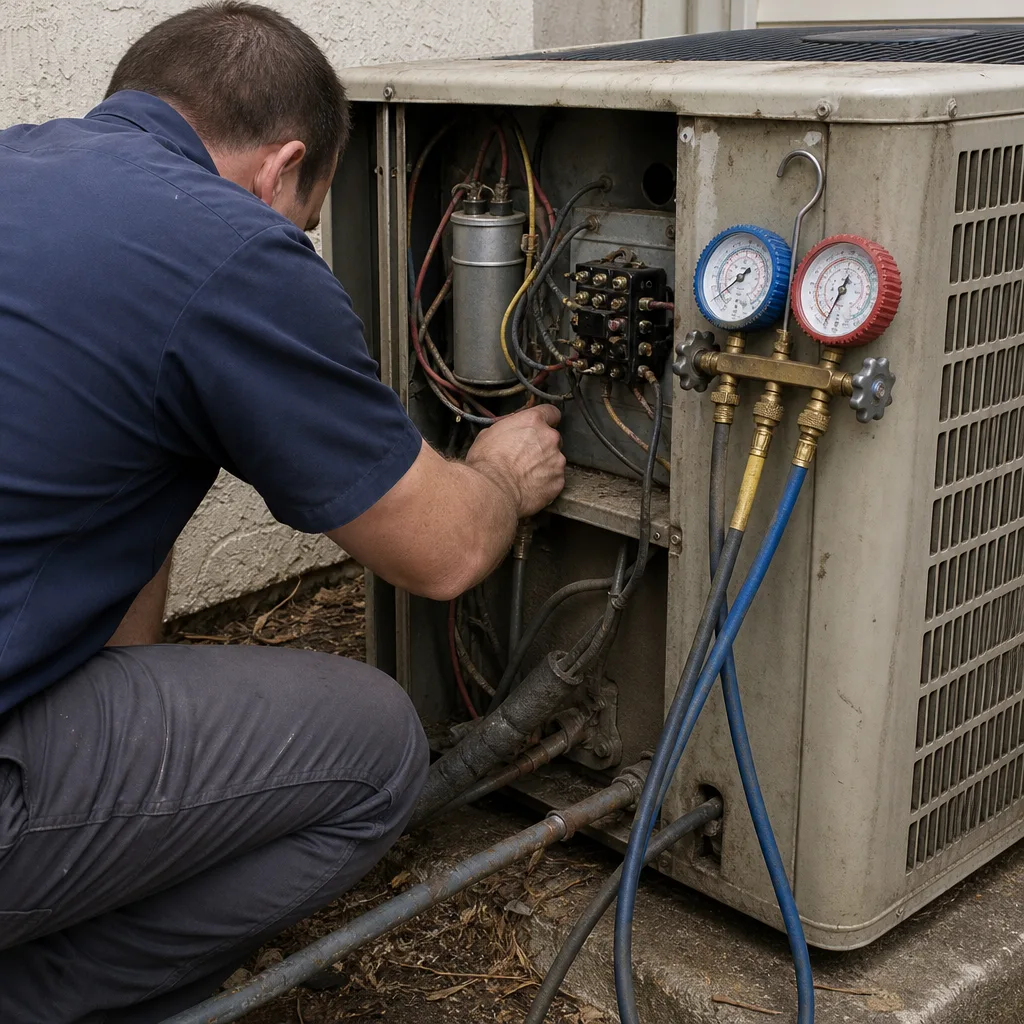 Before
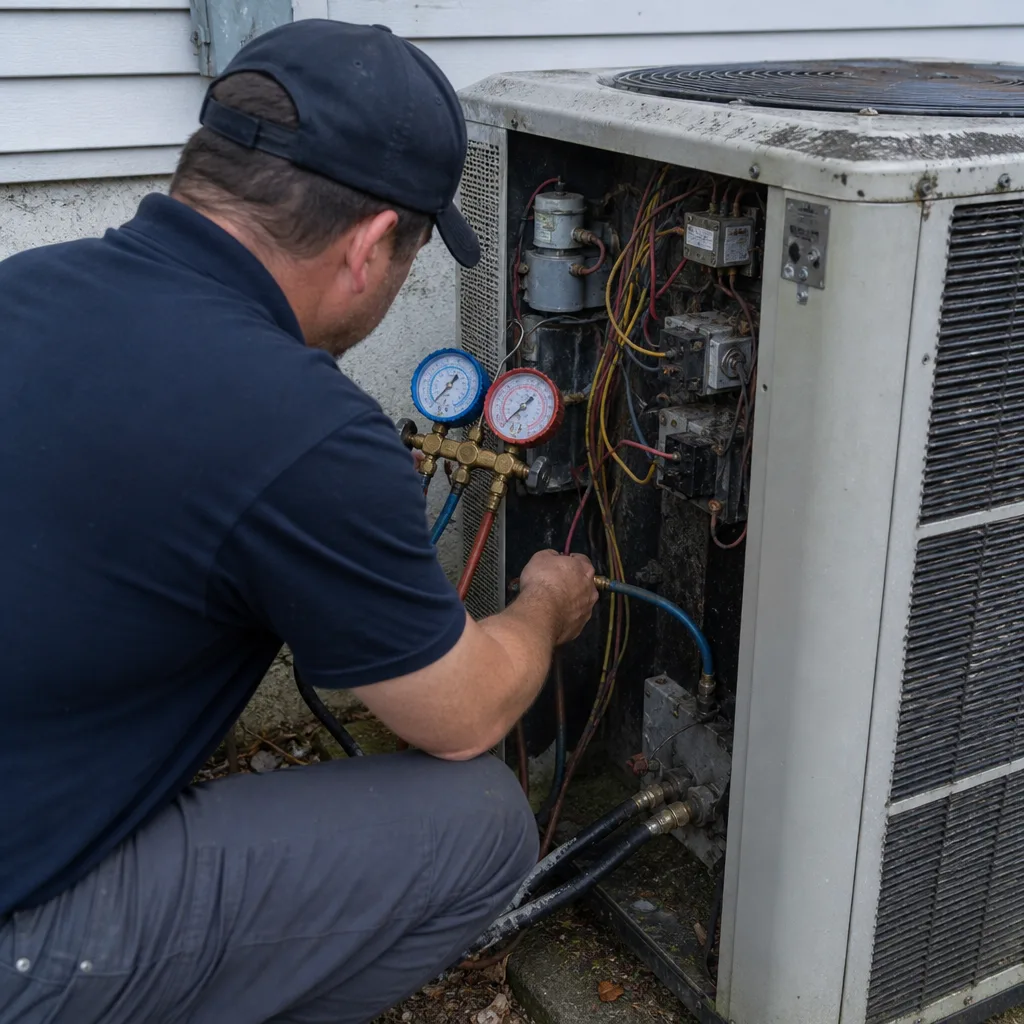
 After
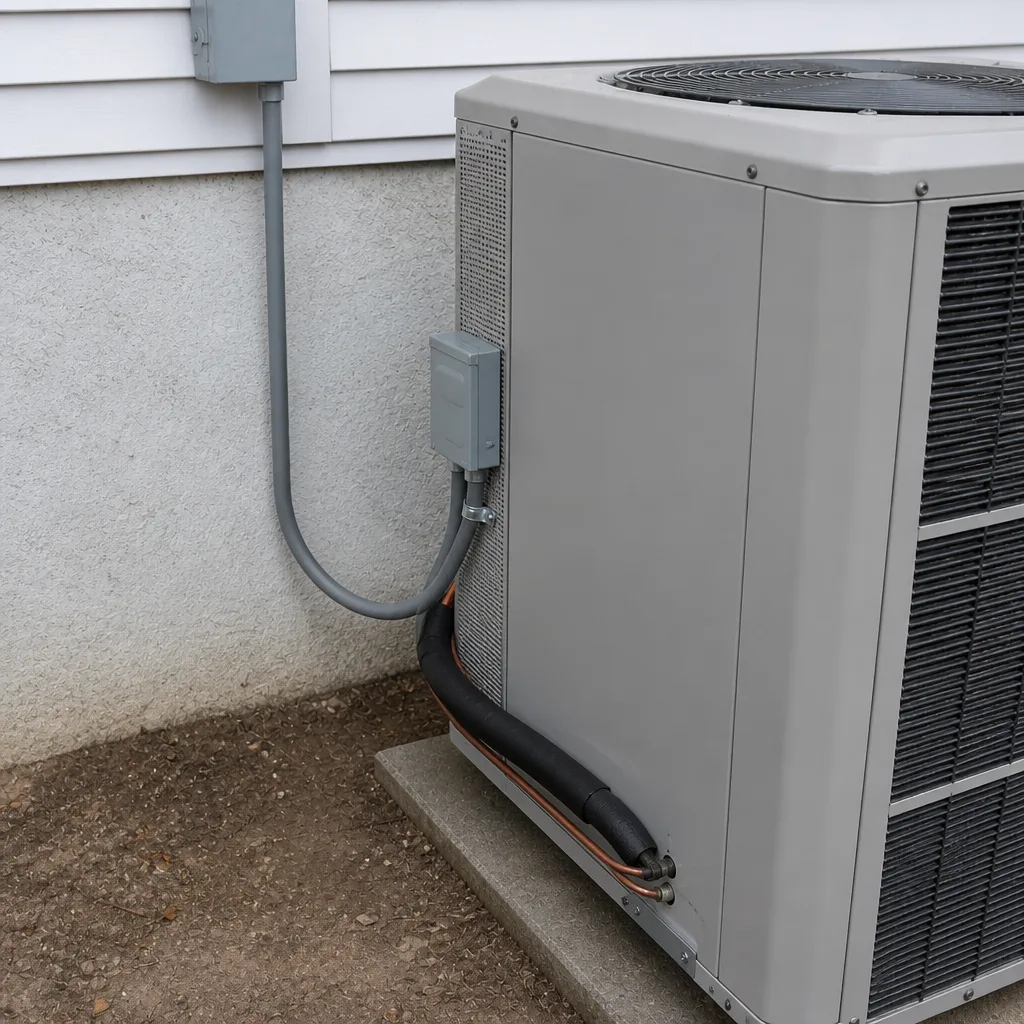
 Before
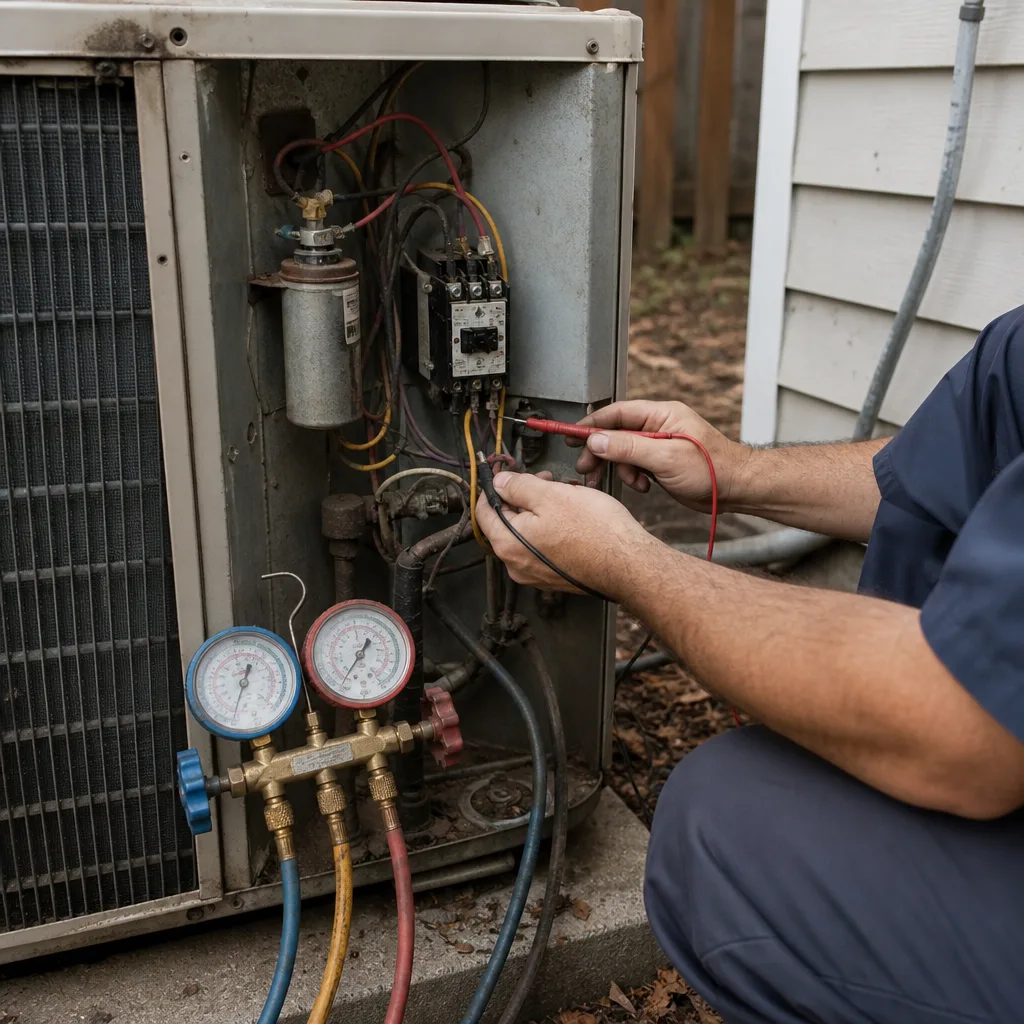
 After
 Before
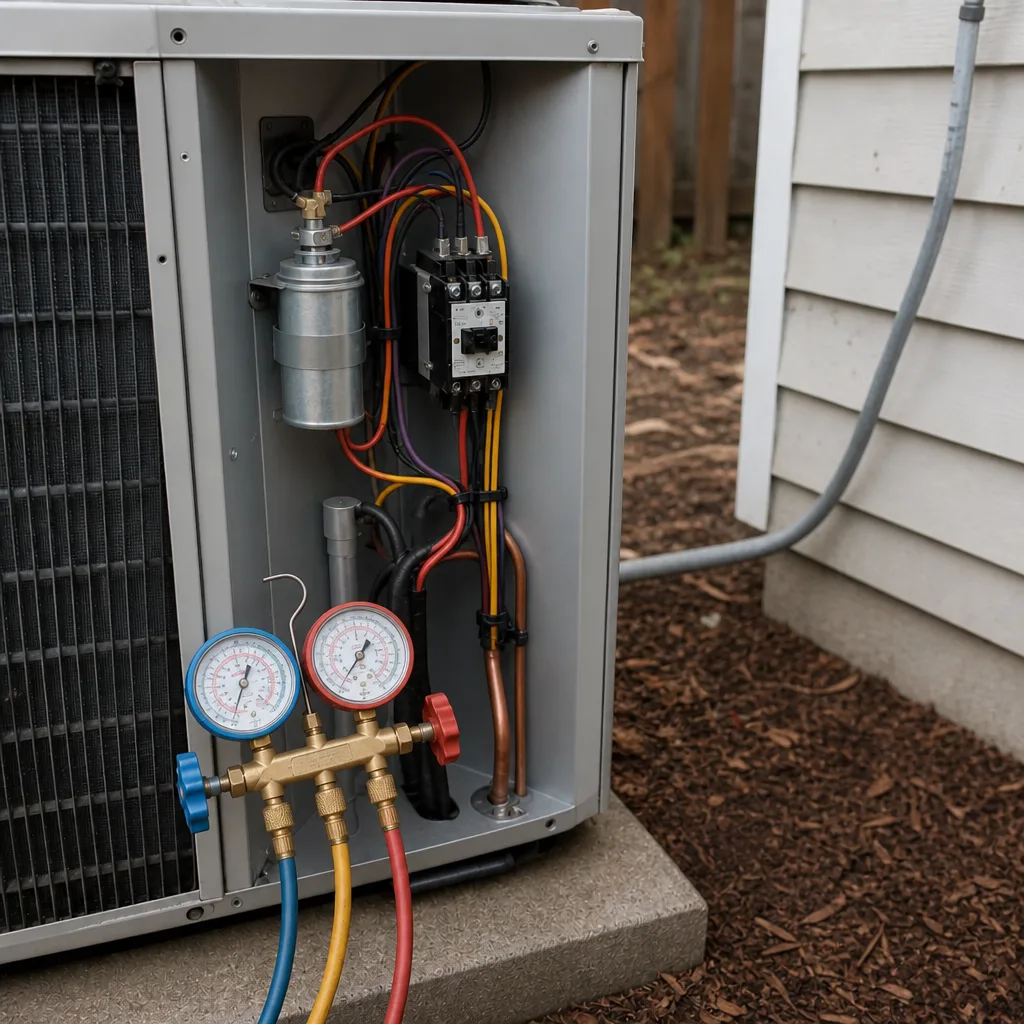 After
When to Call a Professional
Some signs shouldn’t wait for a monthly check. Call a technician if the system won’t cool, if you see ice on the refrigerant line, if the system short cycles, if the drain pan has water in it, if the system smells musty after a filter change, or if you hear unusual noises from the outdoor unit. Call before the system fully fails if you can – catching a problem early is a maintenance and repair job; catching it late is a replacement conversation you didn’t want to have.
Sentry AC Repair offers free estimates in Brandon – call (844) 638-9793. We answer 24/7. Fast dispatch from 7am to 7pm, Sunday through Friday. When you call during dispatch hours, we’ll get a technician out to diagnose the problem and walk you through what we find. You’ll get a written estimate before any work, and we work on your system, not against your budget. If the cooling season is starting and you want a tune-up rather than a repair, we can schedule that too. If your system is old and repair costs are climbing, we can also quote a new AC installation so you have a full picture instead of a guess.
Frequently Asked Questions
Every 4-6 weeks during the pollen-heavy months and roughly every 2-3 months the rest of the year. Brandon’s pollen seasons and the fine construction dust around the SR-60 corridors load filters faster than the national “every three months” advice suggests. If you skip a month in the spring, check it; don’t wait for the reminder.
The most common cause is a clogged condensate drain line tripping the float switch. That’s the system protecting itself from an overflow. It can also be a low refrigerant charge, a failing capacitor, or a dirty filter choking airflow. The drain and filter are safe to check yourself; the rest needs a technician. Call (844) 638-9793 for a diagnosis if the shutdown repeats.
You can rinse the outdoor condenser coil gently with a garden hose and clear debris from around the unit. The indoor evaporator coil needs a professional cleaning – it’s inside the air handler, and the job involves opening the cabinet and handling the drain. Skipping the indoor cleaning when the coil is soiled costs efficiency and compressor life.
Pricing for a tune-up varies by system and what’s included. What matters more than a headline number is knowing what a tune-up actually covers: drain check, coil condition, electrical parts, refrigerant charge verification, and a written report of what was found. We give a written estimate before work starts, so there are no surprises.
Late winter or early spring, before the first sustained stretch of heat. In Brandon, that’s typically February or early March. Getting the tune-up done before peak season means you find issues while they’re small and before the scheduling calendar fills up. Any repair found during the tune-up can be handled before you need the system at full capacity.
It depends on age, repair cost, and how often you’ve had repairs. A good rule of thumb: if the system is nearing the end of its expected life and the repair is a significant fraction of replacement cost, replacement is worth considering. If it’s newer or the repair is isolated, repair is usually the right call. We give a written estimate for both so you can compare. Call (844) 638-9793 for a free estimate.
The Bottom Line
Maintenance checklists only work if they’re built for where you live. In Brandon, that means treating the condensate drain as a monthly priority, cleaning the outdoor coil every few months, and checking refrigerant line insulation for UV damage. Filters change faster here than the generic advice suggests. The professional part – coils, electrical, refrigerant – belongs in a real tune-up at the start of every cooling season. Our technicians have up to 9 years of experience across nine major brands, and our Sentry AC Repair team works on whatever system is in your home. If you’re a Brandon homeowner planning the next cooling season, call (844) 638-9793 for a free estimate.
Written by the team at Sentry AC Repair.