
Last updated November 15, 2026
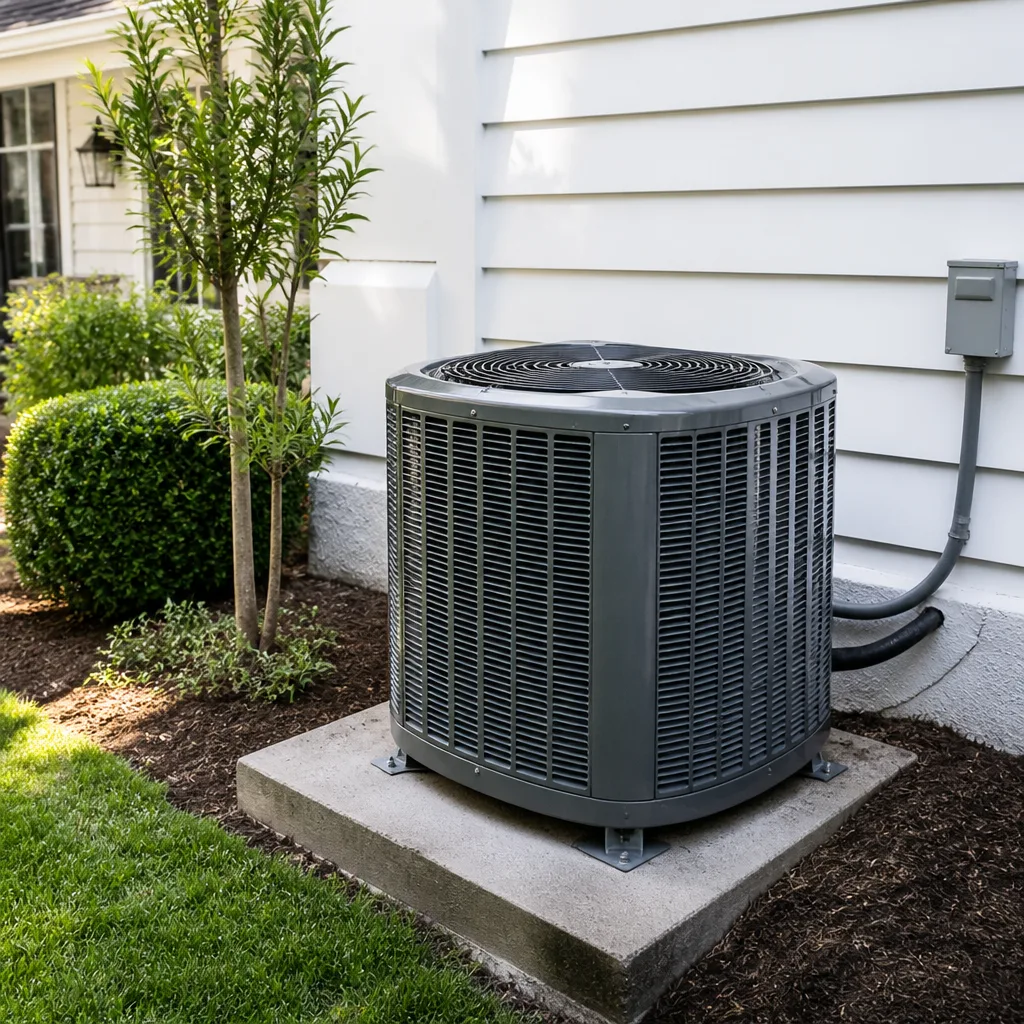 AC repair
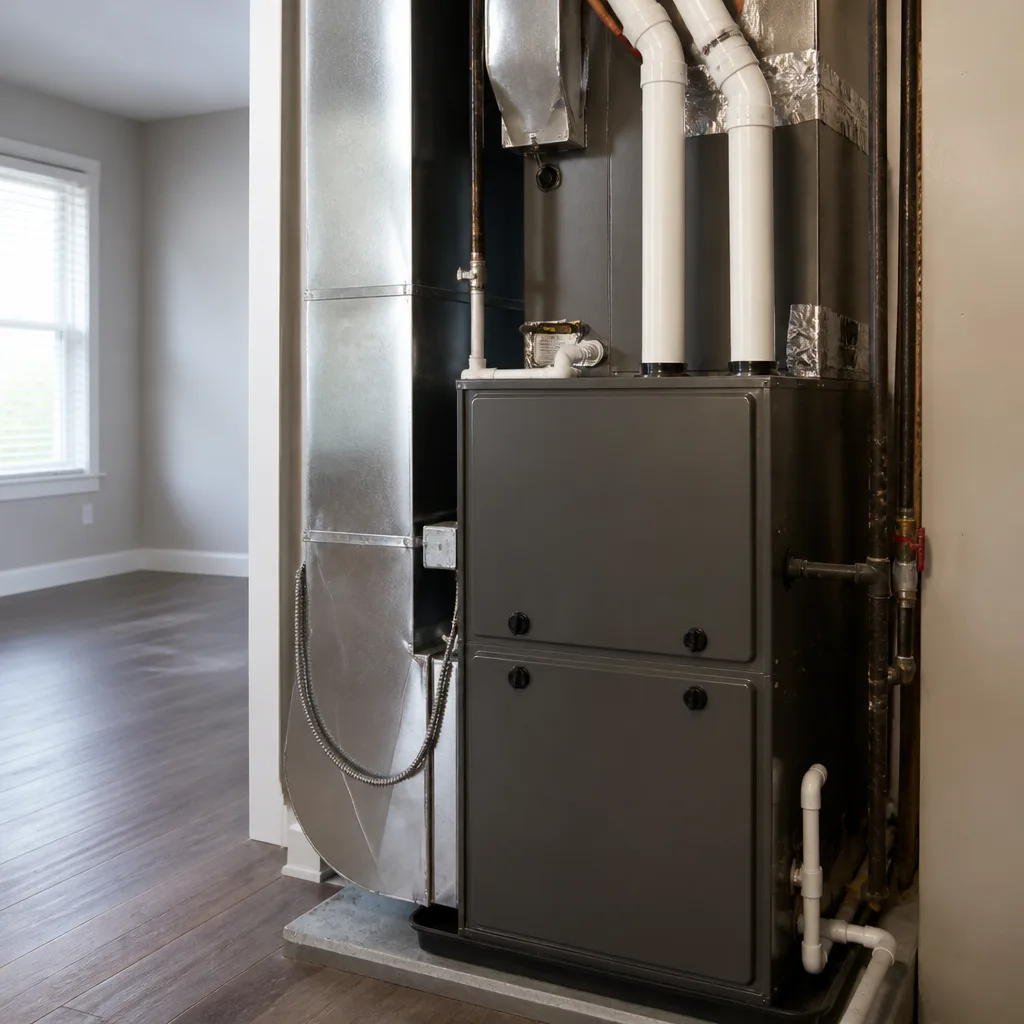 Furnace & heating
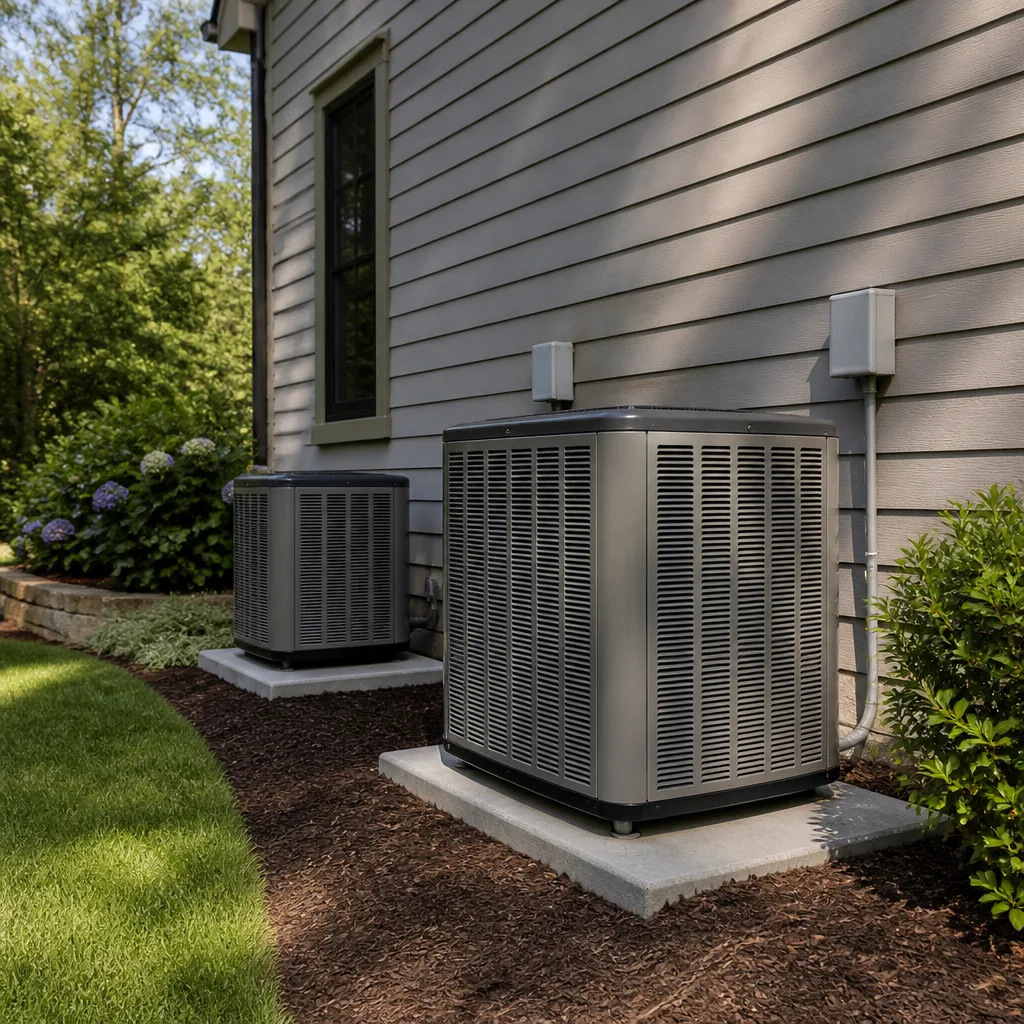 Heat pumps
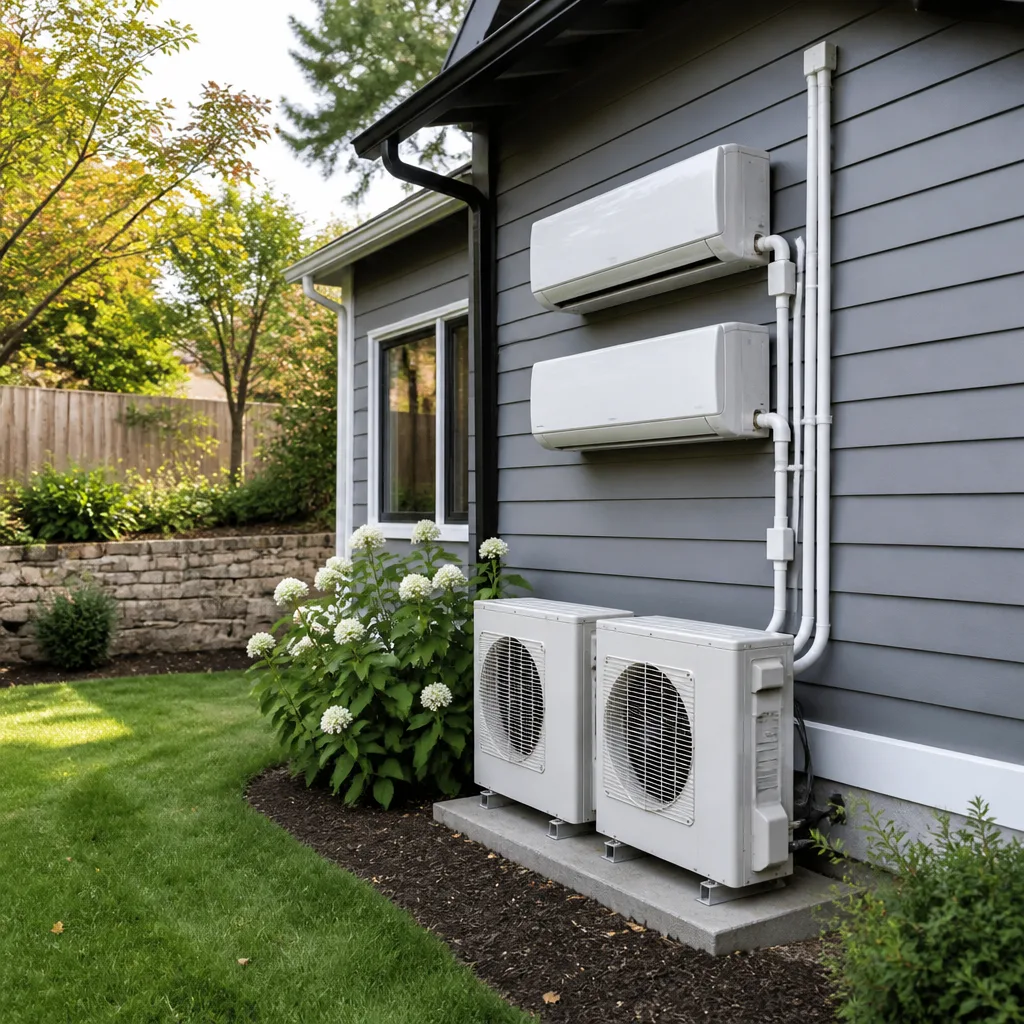 Ductless mini splits
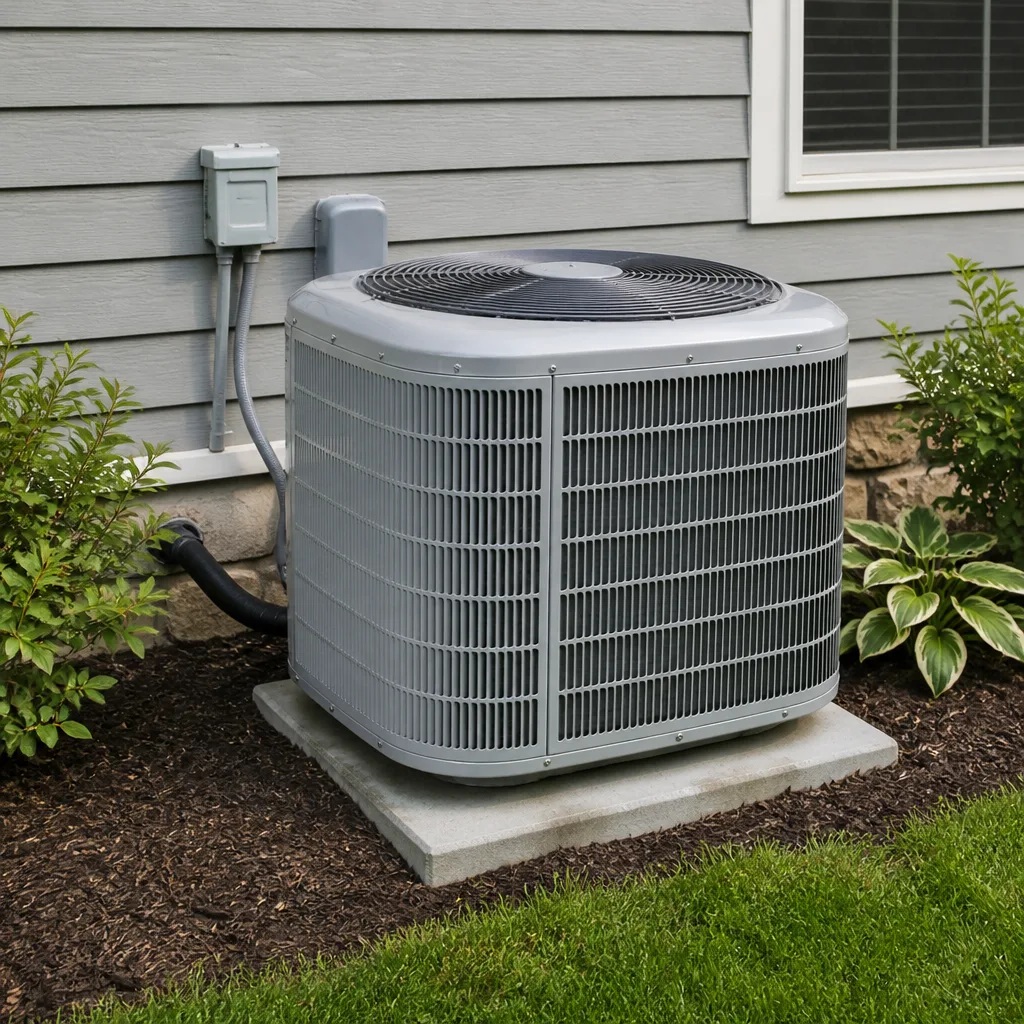 Carrier
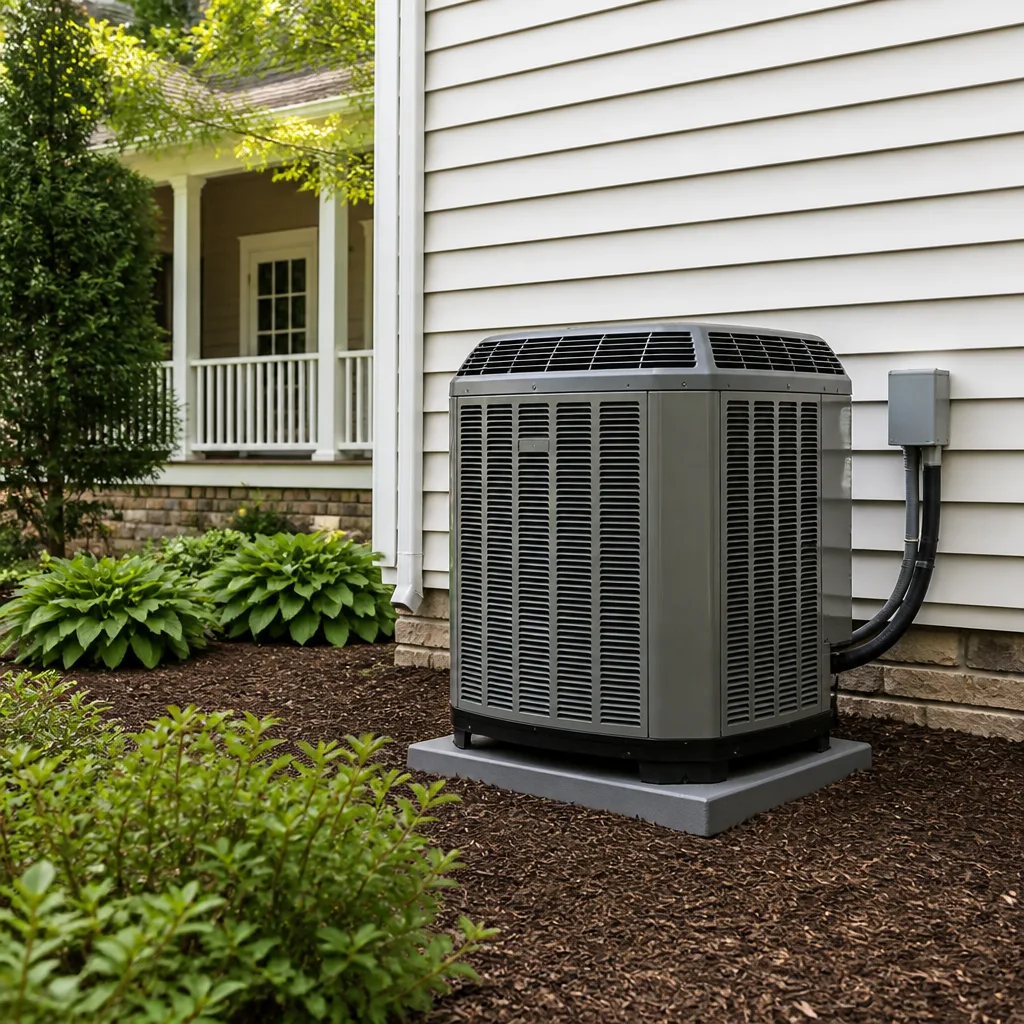 Trane
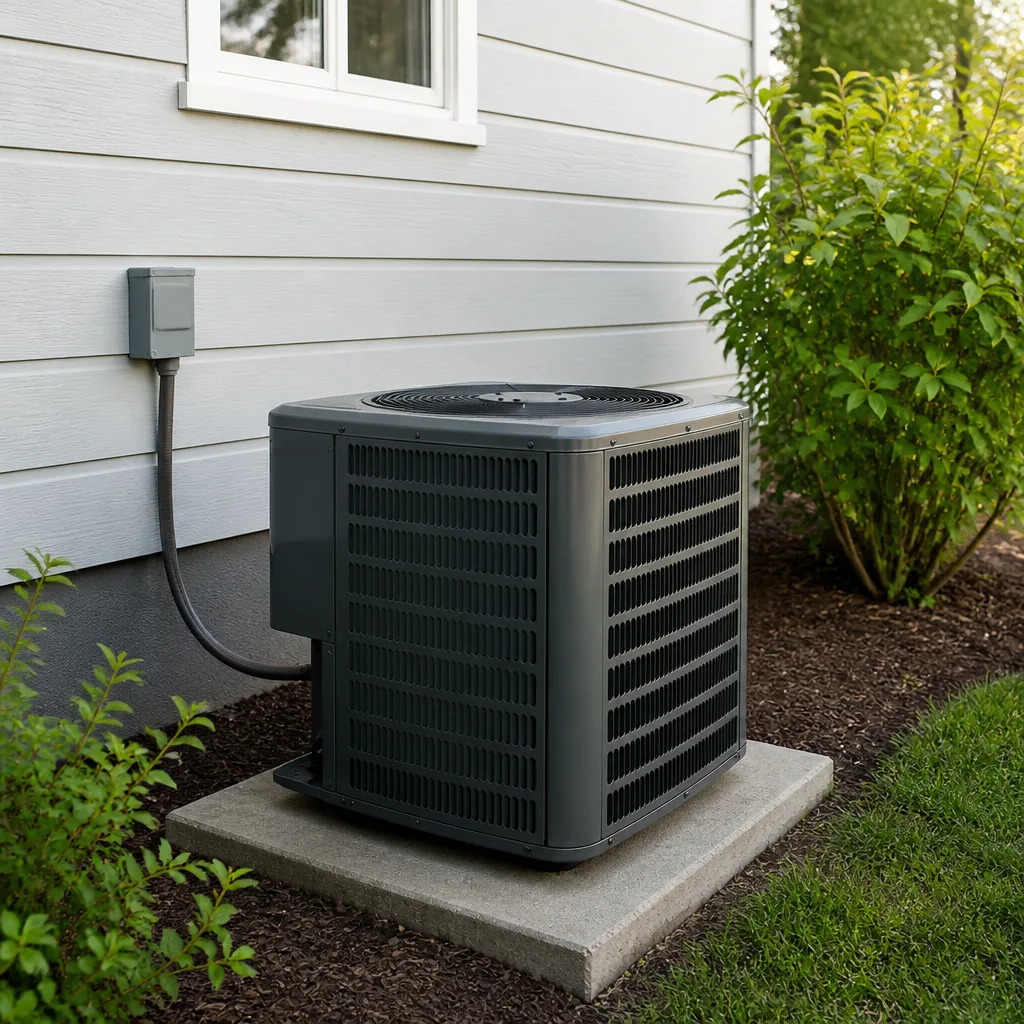 Goodman
Seasonal tune-up and full diagnostic on your Carrier, Trane, or Goodman system - readings shown to you before any repair is proposed
Diagnosis first, numbers second - you approve the repair price before a single part goes in.
Get your free estimateChoosing the Right HVAC Brand: A Buyer’s Guide for Brandon
Most HVAC brand advice you’ll read online is really a ranking dressed up as a review, and it rarely survives contact with a Florida summer. Here’s the part the brochures skip: two systems sold at the same price, both rated 16 SEER2, can differ by years of service life in this climate, and the gap usually comes down to details nobody in a showroom volunteers – coil coating, compressor thermal tolerance, and how the condensate drain is designed. In this guide we’ll walk through the specs that actually matter in Brandon, how parts availability shapes repair timelines, how to read a warranty document, and how to compare the major brands honestly. Mentioning Brandon once here is fitting, because the town’s climate is the whole reason this conversation matters.
Quick Answer
The best HVAC brand in Brandon is the one whose equipment matches your home’s actual cooling load, whose parts are stocked within same-day reach of the Tampa Bay area, and whose local contractor knows the model cold. Brand prestige matters far less than those three factors. Among the major names – Carrier, Trane, Lennox, Goodman, Rheem, York, Daikin, Bryant, and American Standard – every one builds quality equipment and every one builds a unit that gets undersized, oversized, or installed without a proper load calculation. Pick the contractor first, verify the specs second, and treat the badge on the condenser as the last decision, not the first.
Styles & brands we work with
- AC repair
- Furnace & heating
- Heat pumps
- Ductless mini splits
- Carrier
- Trane
- Goodman
Table of Contents
- Why Brand Matters Less Than You’ve Been Told
- The Specs That Actually Matter in Brandon’s Climate
- Parts and Service Availability: The Reality Check
- How to Read a Manufacturer’s Warranty
- Contractor Familiarity Beats Brand Tier Every Time
- An Honest Look at the Nine Major Brands
- How to Compare Bids Without Getting Sold
Why Brand Matters Less Than You’ve Been Told
Ask ten homeowners which HVAC brand to buy and you’ll get ten answers, each one shaped by a single system they happened to own. That’s not data; it’s anecdote with a marketing budget. In our experience across Charlottesville and the surrounding counties, the installation quality, the load calculation, and the contractor’s familiarity with the equipment routinely outrank the nameplate when it comes to how long a system lasts and how often it breaks.
That’s not a knock on the manufacturers. Carrier, Trane, Lennox, and the rest all build equipment that, correctly sized and correctly installed, will run reliably for years. But a top-tier variable-speed condenser installed on a duct system designed for a builder-grade single-stage unit, with no room-by-room calculation and a line set that’s been reused from the old system, will underperform and fail earlier than a mid-tier brand done right.
Here’s what the brand actually controls:
- The engineering of the compressor, coil, and controls
- The quality control at the factory
- The warranty terms and how the manufacturer honors them
- Parts distribution and how quickly you can get a replacement component
Here’s what the contractor controls:
- Sizing – heating and cooling load calculation before equipment selection
- Ductwork – whether it can actually move the CFM the new system needs
- Refrigerant charge – proper evacuation, weighing in the charge, verifying superheat and subcooling
- Electrical and condensate – correct disconnect, breaker, and drain routing
- Commissioning – airflow verified, static pressure checked, controls configured
Notice the imbalance. The contractor touches far more of the outcome than the badge. That’s the lens to use when you’re evaluating equipment in Brandon: pick the contractor first, then let them help you select equipment that fits your home and their service strengths.
The Specs That Actually Matter in Brandon’s Climate
Brandon’s summer runs long and humid, and a residential system here spends far more hours per year at high load than the same equipment would in a milder climate. That means a few specs deserve more attention here than they get in generic buying guides.
1. Coil coating and corrosion resistance
The indoor coil lives in a wet environment year-round in this part of Florida. Condensate sits on the coil, humidity cycles through the cabinet, and that environment punishes bare copper-aluminum coils over time. When you compare brands, ask what coating the evaporator coil carries and how the manufacturer handles coil corrosion claims. Some manufacturers spec a coated coil as the default in high-humidity regions; others treat it as an upgrade. This single detail is one of the biggest contributors to whether a system delivers a long service life or a premature coil replacement.
2. Compressor thermal ratings and high-load tolerance
Compressors are rated for operating envelopes, and equipment selected near the top of its rated ambient range has less margin for the long hot stretches this area sees. Ask the installing contractor to explain the compressor’s operating limits and how the selected model performs near them. A system that’s slightly oversized will cycle off and on more than it should, never dehumidify properly, and wear its compressor faster. Sizing accuracy matters more here than the brand on the compressor.
3. Condensate management and drain pan design
Humidity is the story in Brandon. A system that removes heat but doesn’t handle its own moisture creates problems – wet ceiling stains, rusted cabinets, mold growth in the air handler, and sluggish drains. Look at the drain pan depth, the secondary drain or float switch provision, and how the cabinet drains when the coil is saturated. A larger or better-engineered pan on one brand is a small difference on paper and a large one after five summers.
4. Airflow and static pressure at the air handler
Because so much residential ductwork in Brandon was designed for base-level systems and hasn’t been evaluated since, high-static-pressure air handlers matter. Some models handle undersized return ducting more gracefully than others. Ask the contractor to measure static pressure before they recommend a model; the number will tell you more than any spec sheet.
If you want equipment matched to your specific home rather than a recommendation plucked off a showroom floor, start with an honest conversation about AC installation and let the sizing come before the badge.
Parts and Service Availability: The Reality Check
A system is only as good as the part you can get for it when something fails in August. This is where marketing hype and real-world performance diverge the most. Every major brand claims national service coverage, and technically that’s true – but “we have a distributor network” is not the same as “the specific board, blower motor, or reversing valve for your model is on a shelf 45 minutes away.”
What matters in Brandon is same-day reach to a stocked distributor. Here’s how to actually check this before you buy:
- Ask the contractor which distributor they use for the specific brand – a real answer names a company, not a customer service number.
- Ask how often they’ve had to wait more than 24 hours for a common part for that brand in the past year – this is empirical, not promotional.
- Check the distributor’s location – if the nearest stocking warehouse is across the state, plan for repair delays when things fail.
- Ask whether the contractor stocks common failure parts for the brand in question – motor capacitors, contactors, and blower motors are the standard items.
- Ask about legacy models – some brands drop parts support quickly after a model is discontinued, which can leave a ten-year-old system stranded.
The honest reality in the Tampa Bay area is that most major brands have decent parts support because the HVAC market here is large enough to justify it. But “decent” isn’t uniform. Goodman and Rheem, for example, have strong national parts availability for their most popular residential lines, which is part of why local contractors lean on them for fast repair turnarounds. Daikin and Bryant have solid distribution but a narrower contractor base in some suburban areas, so the wait can lengthen if the contractor isn’t a regular user of that brand. When you’re comparing quotes, ask the contractor which brands they work on weekly and which ones are occasional. The weekly ones get faster answers from their distributors.
If you’re facing an active breakdown, the question of parts availability becomes urgent. That’s when knowing who can repair AC with parts actually on hand matters more than which brand you chose years ago.
How to Read a Manufacturer’s Warranty
HVAC warranties are written by the manufacturer’s legal team, not its engineers, and the difference between a “good” warranty and a “great” one often shows up in the clauses rather than the coverage summary. Here’s what to look for when you’re comparing brands, and what to skip past.
What actually protects you
- Parts coverage duration on the compressor. Most major brands offer a longer compressor warranty than the general parts warranty. Ten years on the compressor is common for registered consumer purchases; five years on other parts is typical. Some offer longer terms on premium models.
- The requirement to register the equipment. Many manufacturers reduce coverage substantially if the system isn’t registered at installation or shortly after. Ask the contractor how they handle registration and confirm it in writing.
- Labor coverage terms if you buy it. Manufacturer warranties cover parts, not the labor to install them. Some manufacturers offer extended labor coverage; ask what’s available for the brand you’re considering.
- Coil corrosion exclusions. Read the exclusions carefully – some manufacturers exclude corrosion if the coil was cleaned with certain products or installed in specific environments. Know what voids the claim.
What often protects the manufacturer instead
- “Proper installation by a licensed contractor” language – often becomes the manufacturer’s out if a claim is disputed.
- Maintenance documentation requirements – many warranties require documented annual maintenance. Missing the paperwork can void a major claim. Ask the contractor how they document service; it matters years later.
- Freight and diagnostic charges – usually not covered, and can be significant on a compressor claim.
- Failed-part return requirements – the contractor sometimes has to return the failed component before the replacement ships, which can lengthen the repair.
- Pull the actual warranty PDF for the model you’re considering – don’t rely on the sales sheet.
- Highlight the duration, exclusions, registration requirement, and maintenance documentation clause.
- Ask the contractor to explain in plain language what would void the warranty on the specific model.
- Confirm in writing that the contractor will register the equipment and provide documentation.
- Keep every maintenance record – this is the single clearest way to preserve a warranty claim years later.
Contractor Familiarity Beats Brand Tier Every Time
Here’s the question that will tell you more than any brand comparison: “Which brands do your technicians work on every week, and which do they only see occasionally?” A contractor who installs and services Rheem equipment every day will know that brand’s particular quirks – the control board revision history, the factory charge variances, the specific sensors that fail, the way the unit behaves in high humidity. A contractor who installs Rheem a few times a year may do fine work but will be learning the model on your install.
The reason brand-agnostic contractors tend to outperform single-brand dealers on installation quality is simple: they aren’t tied to one manufacturer’s distribution agreements, so they can recommend the equipment that actually fits your home instead of the equipment they’re incentivized to move. They also see cross-brand failure patterns that a single-brand dealer never notices.
At Sentry AC Repair, we work across nine major brands – Carrier, Trane, Lennox, Goodman, Rheem, York, Daikin, Bryant, and American Standard – and our technicians have up to 9 years of experience working with these systems. Our job is to guard your system, not to push you into a particular badge. If a repair keeps your current equipment running, we say so. If replacement genuinely makes more sense, we explain why in writing.
How to ask
When you’re interviewing contractors, try these questions:
- Which brands do you install most often, and why?
- Which brand do you see the fewest warranty claims on, based on your own experience?
- Which brands do you regularly stock parts for?
- Have you had a warranty claim denied recently? What caused it?
- What’s the typical turnaround on a common part failure on the brand you’re proposing?
The answers reveal whether the contractor is genuinely fluent in the equipment or just a distributor of it. That fluency is what protects your investment when something goes wrong in year four.
An Honest Look at the Nine Major Brands
Every one of the nine major brands we service builds quality equipment, and every one of them builds an entry-level line that responds well to a proper install. The honest read on each one:
Carrier
Broad product range and strong brand recognition. The Infinity series offers excellent performance in premium installations. The biggest complaint we hear from homeowners is that parts for older or less-common models can be slower to arrive than mainstream competitors. Correctly installed and serviced Carrier equipment ages well.
Trane
Historically strong on build quality and compressor reliability. The XR and XLi lines have long-standing reputations. Where the marketing outpaces the engineering is in the “most reliable” claims – every manufacturer has models that fail early. Trane’s real strength is durability in hot climates when sized correctly.
Lennox
Among the most efficient systems on the market at the high end, and the technical spec sheets are genuinely strong. The downside is parts pricing – a Lennox repair can cost more than a comparable Goodman repair, largely because parts distribution is thinner in some areas. Good choice for a homeowner who wants premium efficiency and plans to keep the system serviced.
Goodman
Value-focused and widely available. Parts are stocked in most markets and repairs are typically fast. Goodman gets unfairly dinged by brand snobs, but a properly installed Goodman system performs reliably for years. Where Goodman is weaker is in premium variable-speed technology – they’re catching up, but the other brands have more mature offerings there.
Rheem
Solid mid-market performance with an honest reputation. Rheem’s residential line is well-suited to Florida climates – coil coatings are generally upgraded to humid-environment spec at the model level rather than as an add-on. Parts availability is strong. A reliable choice for a homeowner who wants a well-built, serviceable system without paying a premium for a badge.
York
Often overlooked because it doesn’t have the brand marketing of Carrier or Trane, but the equipment itself is competitive. Where York excels is in mid-range efficiency models – a solid value. Where the marketing outpaces the engineering is in smart-home integration on some models, which is fine but not transformative.
Daikin
Japanese engineering lineage and a strong reputation for the compressor and inverter technology. Daikin is a serious brand, particularly in ducted and variable-speed equipment. Parts distribution has improved significantly but can still be thinner in some markets than Carrier or Goodman, so confirm service availability with the contractor before committing.
Bryant
Closely related to Carrier (they share ownership and some platforms), with a slightly different market positioning. The equipment is reliable, and the relationship to Carrier’s parts network helps. Where the marketing outpaces the engineering is in distinguishing the Bryant line from its Carrier sibling – the differences are small at equivalent price points.
American Standard
Closely related to Trane – the two share ownership and equipment platforms. American Standard tends to offer slightly better value at equivalent specs, since it carries less brand-name premium. If you like Trane equipment but want to keep the cost down, American Standard is often the better value in the same family.
The honest read: none of these brands is a mistake. The one that makes sense for you depends on the contractor’s fluency, parts availability in your market, the specific model’s specs for your climate, and your budget. When you’re comparing equipment, ask a contractor who works across all nine brands rather than one who’s locked into a distribution agreement – that’s how you’ll get a straight answer.
How to Compare Bids Without Getting Sold
HVAC sales pressure is real, and it’s most acute when you’re replacing a failed system and have to move quickly. Use this process to compare bids on facts instead of sales language.
- Get at least two written bids – three is better when the stakes are this high.
- Ask for the load calculation – Manual J or equivalent. If a contractor won’t provide one, get another bid.
- Ask for the model numbers – not just the brand. Then verify the specs yourself on the manufacturer’s site.
- Compare the scope, not just the number – does the bid include the air handler, coil, line set, disconnect, pad, permits, and commissioning? Missing items in a “cheap” bid become change orders later.
- Ask about parts and warranty handling – who registers the equipment, who files warranty claims, how fast can the contractor get common parts.
- Ask about ductwork evaluation – is static pressure being measured? Are airflows being verified? This is where installation quality is won or lost.
- Ask what happens when the system fails mid-summer – what’s the typical response time and how do they handle parts.
Bids that include comprehensive scope, a documented load calculation, and clear parts availability answers are safer than bids that are $800 cheaper because they cut corners on the ductwork or skip the load calculation. In a Brandon summer, the difference shows up in comfort and repair history within a few years. If you want a fair comparison that treats repair as a real option first, that’s what a free estimate at Sentry AC Repair is designed to give you.
Common Mistakes to Avoid
- Buying on brand name alone. The badge on the condenser tells you very little about how your specific home will heat and cool. Ask for a load calculation and specific model numbers, then verify the specs against your home’s actual conditions.
- Letting one contractor’s brand preference become your brand decision. A single-brand dealer can only sell what they carry. Get at least one bid from a brand-agnostic contractor so you’re comparing equipment, not distribution agreements.
- Skipping the warranty fine print. Registration deadlines, maintenance documentation requirements, and coil corrosion exclusions all matter years later. Read them before you sign, not after the claim is denied.
- Ignoring parts availability. Ask which distributor serves the brand locally and now long the contractor typically waits for common parts. A two-week wait for a blower motor in July is a real cost, even if the part is covered.
- Letting a salesman talk you out of a repair when repair makes sense. Not every failure needs a new system. If the compressor, coil, and air handler are in reasonable condition, a targeted repair often buys years of service. Get a second opinion if the first recommendation is “replace.”
- Assuming higher SEER2 always saves you money here. Efficiency gains are real, but not uniform across installation quality. A modest SEER2 system installed correctly routinely beats a high-SEER2 system installed on undersized ducts.
- Ignoring humidity control. A system that cools but doesn’t dehumidify leaves a home feeling clammy and can grow mold in the ductwork. Ask how the selected model handles latent load, not just sensible load.
See the difference
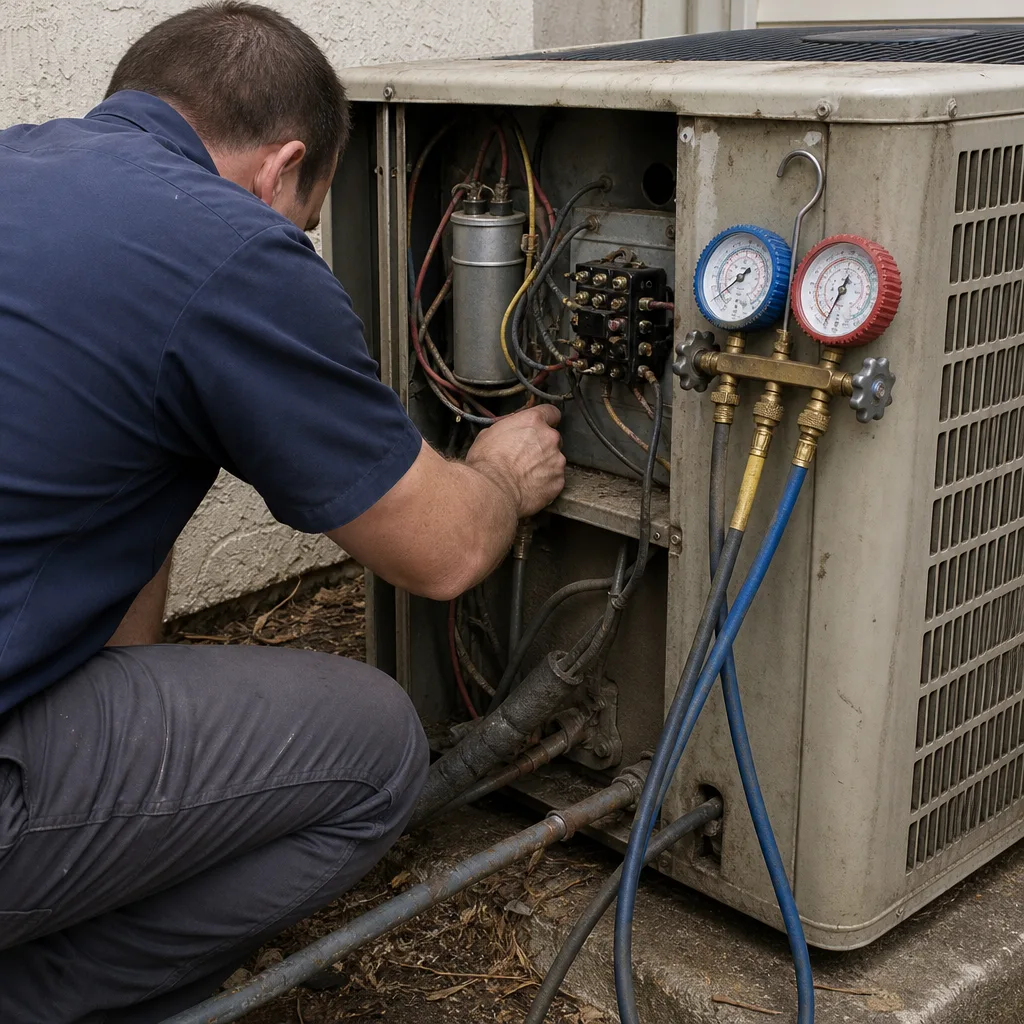 Before
 After
 Before
 After
 Before
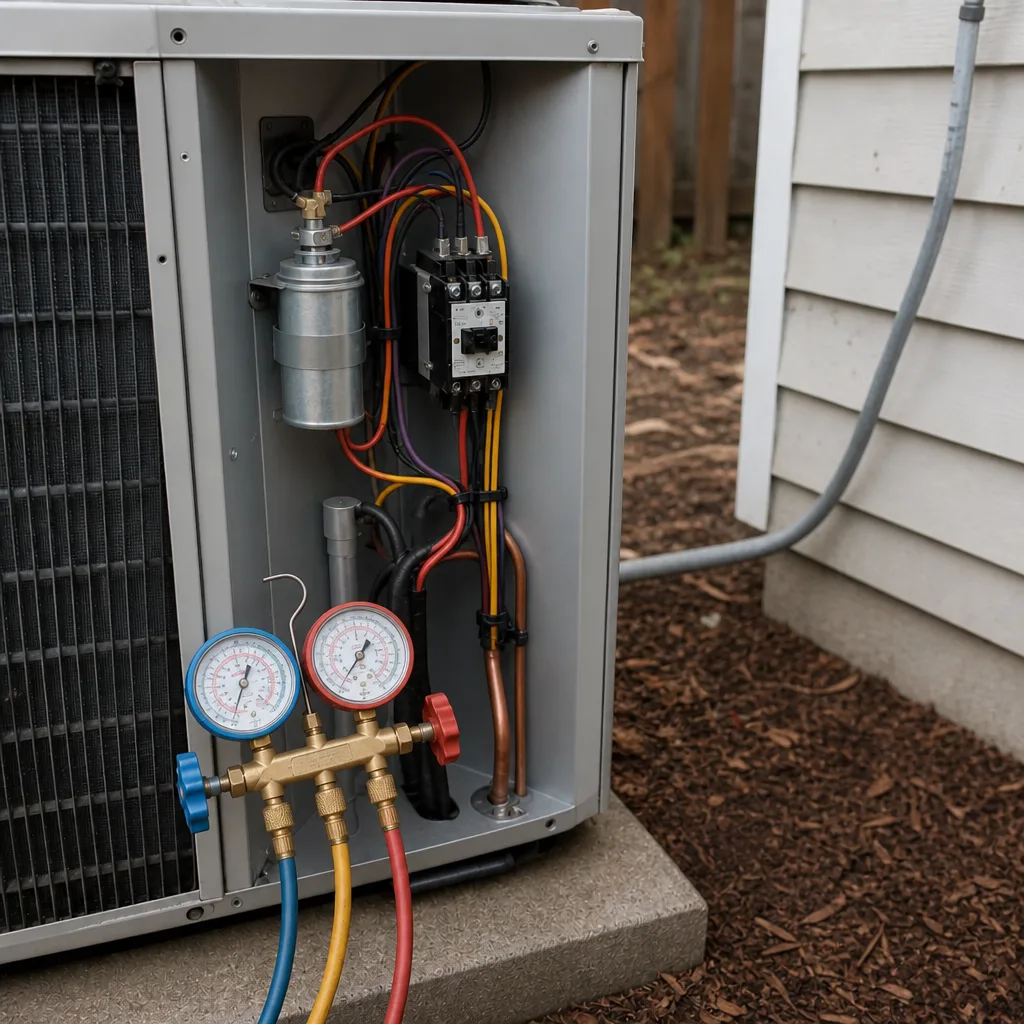 After
When to Call a Professional
Some HVAC issues are genuinely urgent, and some can wait for a scheduled visit. Call a professional right away when you see any of the following: no cold air while the outdoor unit is running, a refrigerant leak or ice forming on the lines, a compressor that short-cycles or trips the breaker repeatedly, water pooling near the air handler, a burning smell from the indoor unit, or a thermostat that won’t hold a set temperature. These are signs of a real fault that will worsen if left alone, and the longer you run a struggling system, the more likely a component fails. If you’re weighing repair versus replacement on an older system, get a diagnosis from a brand-agnostic technician before you sign anything for new equipment.
For non-emergency questions – system sizing, brand comparison, warranty issues – a scheduled visit is fine and often more useful, since a technician can look at the whole system instead of just the failing part.
Sentry AC Repair offers free estimates in Brandon – call (844) 638-9793. We answer 24/7. Fast dispatch from 7am to 7pm, Sunday through Friday. Our services focus on Brandon and the surrounding area, and our technicians are fluent across all nine major brands.
Frequently Asked Questions
There is no single best brand for Brandon – the right system depends on sizing accuracy, installation quality, parts availability in your specific area, and your home’s duct system. Every major brand we service (Carrier, Trane, Lennox, Goodman, Rheem, York, Daikin, Bryant, and American Standard) builds reliable equipment when correctly installed. Pick the contractor first, then the equipment. Call (844) 638-9793 for a brand-agnostic estimate that treats repair as a legitimate option.
Brand matters, but less than installation quality, sizing accuracy, and parts availability. A mid-tier brand correctly installed typically outlasts a premium brand installed on undersized ducts with no load calculation. That said, some brands do have measurable advantages in specific areas – Rheem and Goodman tend to be strong on parts availability; Daikin and Trane have solid compressor reputations; Carrier and Bryant have extensive service networks. Use brand as a factor, not the deciding factor. Call (844) 638-9793 to talk through what fits your home.
Ask which distributor they use for that brand and how often they’ve had to wait more than 24 hours for a common part. A real answer names a company and gives a number. Also ask which brands they install weekly versus occasionally – fluency shows in the details. If you’re unsure, call (844) 638-9793 and we’ll walk you through what to look for.
Parts availability is best for brands with strong regional distribution networks, and this is where Goodman, Rheem, Carrier, and American Standard tend to be reliable in the Tampa Bay area. Lennox and Daikin are well-supported but the parts can be pricier. York sits in the middle. The simplest answer: ask your contractor which brands they’ve had trouble sourcing recently, and their honest answer will tell you more than any comparison chart. Call (844) 638-9793 for a straight answer on parts timing for the equipment you’re considering.
A brand-agnostic contractor can recommend the equipment that fits your home instead of the equipment they’re incentivized to sell. That said, a single-brand dealer who genuinely knows their product line well can also do excellent work. The deciding question is whether the contractor will give you a real load calculation, honest model numbers, and a repair-first recommendation when repair is the right answer. Call (844) 638-9793 for an estimate that treats both options seriously.
Manufacturer warranties typically cover parts (compressor coverage often runs longer than general parts coverage) and almost never cover labor, freight, or diagnostic charges. Common void triggers include failure to register the equipment within the manufacturer’s deadline, lack of documented annual maintenance, and installation errors. Read the specific warranty PDF for the model you’re considering, and confirm with the contractor that they register the equipment and provide documentation. Call (844) 638-9793 if you want help interpreting a warranty before you buy.
The Bottom Line
Brand selection is one factor among several, and it’s rarely the deciding one. In Brandon’s climate, what actually determines satisfaction is sizing accuracy, installation quality, parts availability, and picking a contractor whose technicians are fluent in the equipment regardless of the name on the badge. Every one of the nine major brands builds reliable systems when installed right. Rather than picking a brand first and finding a contractor second, do the reverse: find a contractor who works across multiple brands, ask the questions in this guide, and let the equipment selection follow from your home’s actual conditions. Our team at Sentry AC Repair writes from that brand-agnostic view because we believe the homeowner’s interests come first. For a free estimate or a straight answer on your system, call (844) 638-9793.
Written by the team at Sentry AC Repair.