
Last updated November 15, 2026
 AC repair
 Furnace & heating
 Heat pumps
 Ductless mini splits
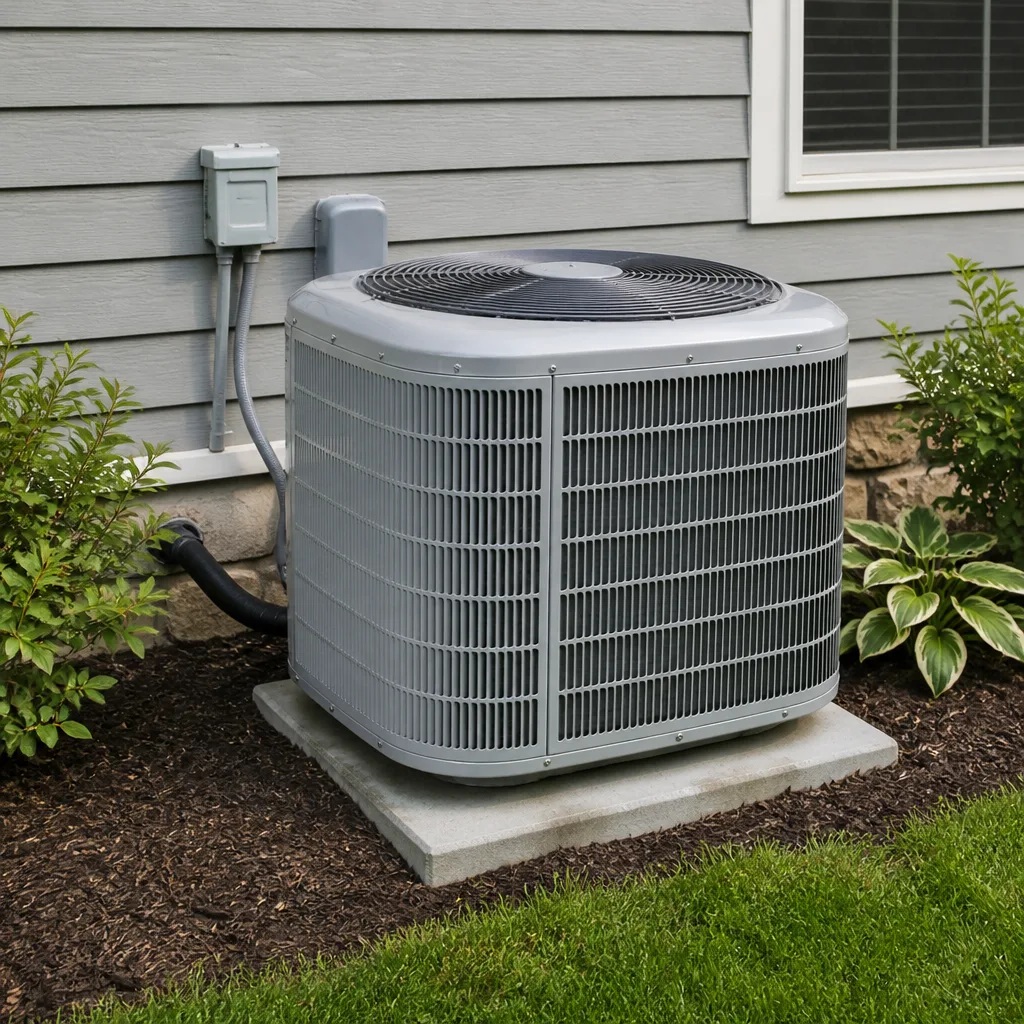 Carrier
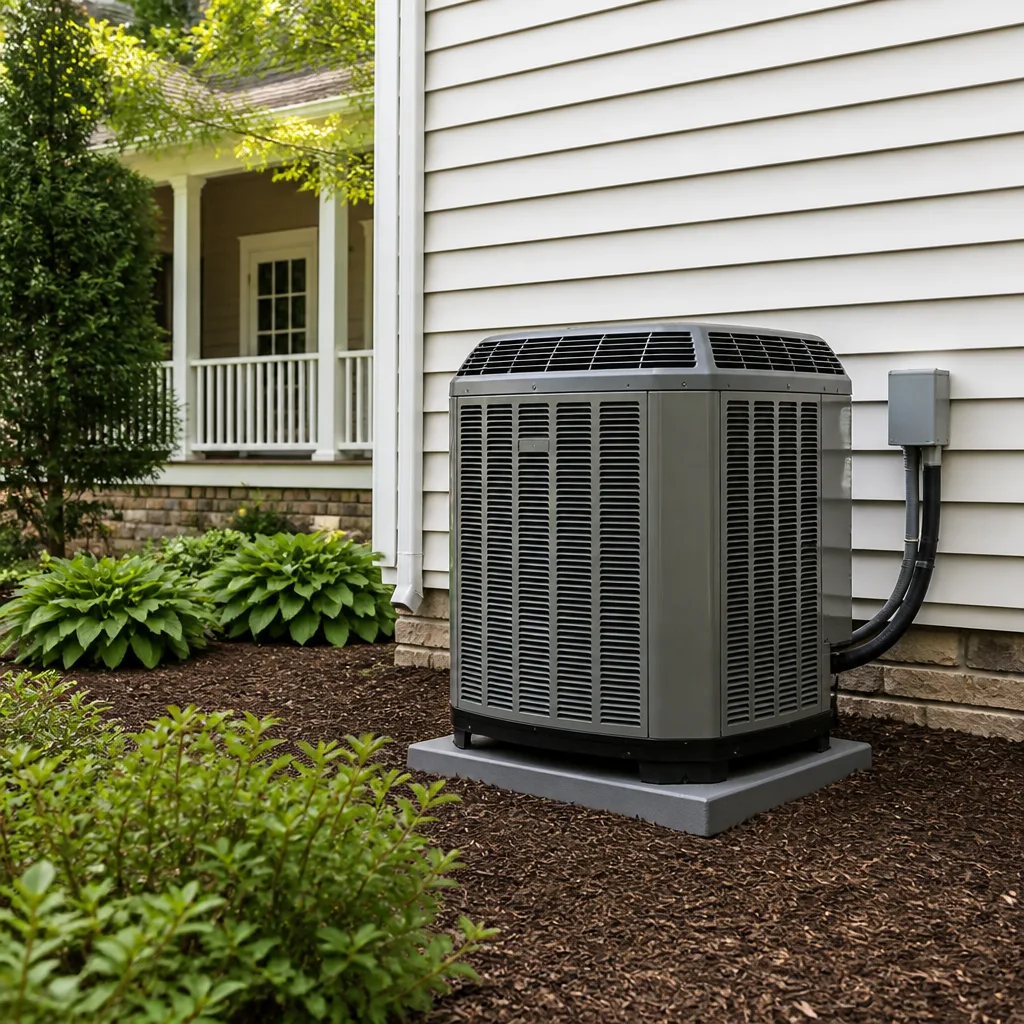 Trane
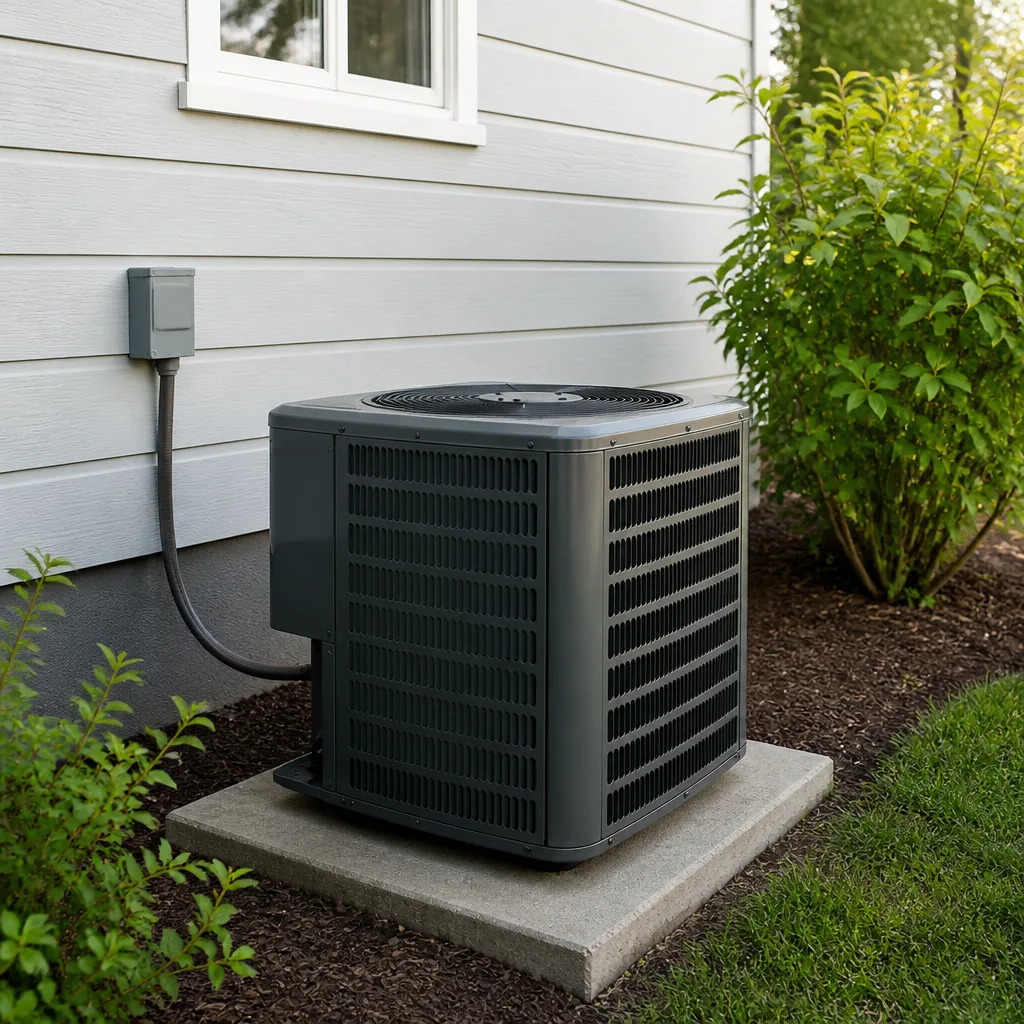 Goodman
Seasonal tune-up and full diagnostic on your Carrier, Trane, or Goodman system - readings shown to you before any repair is proposed
Diagnosis first, numbers second - you approve the repair price before a single part goes in.
Get your free estimateThe Complete AC Repair Guide for Brandon Homeowners
Most AC advice you’ll read was written for a system that runs five months a year. Yours doesn’t. In Brandon, an air conditioner can rack up more than twice the annual runtime of the same unit in a northern state, and that changes everything about how it wears out, when it fails, and which repair actually makes financial sense. The parts that quit first here aren’t the ones the generic checklists warn you about. This guide covers the repair patterns we actually see in Brandon, the repair-versus-replace math that accounts for Florida runtime instead of calendar age, which fixes are safe to handle yourself, and when to bring in a technician.
Quick Answer
AC repair in Brandon usually comes down to a short list of failures driven by long runtime and heavy humidity: clogged condensate drains, corroded coils, and worn capacitors top the list. Because your system runs so many hours per year, judge it by runtime and repair history, not by how old the nameplate says it is. A free written estimate tells you whether a repair restores the system or just delays a replacement.
Styles & brands we work with
- AC repair
- Furnace & heating
- Heat pumps
- Ductless mini splits
- Carrier
- Trane
- Goodman
Table of Contents
- Why Brandon AC Systems Fail Differently
- How Humidity Drives the Most Common Breakdowns
- Repair or Replace? The Florida Runtime Framework
- What You Can Safely Do Yourself (and What You Can’t)
- Why Brand-Agnostic Diagnosis Matters
- Seasonal Timing: When Demand Peaks in Brandon
- What AC Repair Typically Costs
- Common Mistakes to Avoid
Why Brandon AC Systems Fail Differently
A Brandon air conditioner doesn’t fail the way the manufacturer’s timeline predicts, because the manufacturer’s timeline assumes a temperate climate. Run the numbers on runtime and the gap becomes obvious: a system cooling a home through a long, hot season accumulates wear hours far faster than the same equipment up north. The compressor cycles more, the refrigerant loop works harder, and every component that moves or carries current logs more miles before the warranty clock and the wear clock agree.
What that means in practice is that a system only a few years old in Brandon can already be showing the kind of wear a northern homeowner wouldn’t see for much longer. The failure order shifts too. Instead of the slow, predictable decline some guides describe, we see a cluster of high-runtime failures: capacitors that weaken under continuous load, contactors that pit from constant switching, and drain lines that clog because the system is pulling moisture out of the air nearly every day of the year.
Here’s the practical takeaway. When you’re evaluating a repair in Brandon, ask what the system’s runtime has been, not just its install date. A unit that’s logged heavy hours and already had two major repairs is a different decision than one with the same birthday and a clean history. That runtime-first view is the backbone of everything below, and it’s the single biggest thing generic AC guides get wrong for this market.
How Humidity Drives the Most Common Breakdowns
Brandon’s humidity is the quiet engine behind most of the repair calls we handle. Your AC does two jobs at once: it cools the air and it pulls moisture out of it. That second job is why the components that touch condensation fail faster here than a dry-climate guide would ever predict.
Three failures dominate, and they’re all humidity-driven:
- Clogged condensate drain lines. As the system dehumidifies, water collects and drains away. Dust, biological growth, and debris build up in that line over months of near-constant operation. When it clogs, water backs up, and depending on how your system is set up, that can mean a shutdown, a wet ceiling, or water in a pan that eventually overflows. This is one of the most preventable failures on the list.
- Evaporator coil corrosion. Moisture sitting on coil surfaces, combined with the acids that form in a damp environment, eats away at the coil over time. A corroded coil loses efficiency and eventually develops leaks. In a dry climate the same coil might last far longer.
- Capacitor failure. Capacitors help start and run the compressor and fan motors. Continuous load and heat shorten their life. A weak capacitor is one of the most common reasons a system “just won’t start” on a hot afternoon.
None of these are exotic. They’re the direct result of a system working hard in a humid place. The good news is that the two most serious – drain clogs and coil condition – are exactly what a proper maintenance check catches early. If you notice water near the indoor unit, a musty smell, or a system that struggles to keep up, those are humidity-related warning signs worth acting on before they compound.
Repair or Replace? The Florida Runtime Framework
The standard advice says to weigh repair cost against replacement cost and factor in the system’s age. That math is incomplete in Brandon, because calendar age badly understates how much work a system has done. A unit that’s logged heavy runtime in a hot, humid climate has effectively lived longer than its install date suggests. So the honest framework here leans on runtime and repair history instead of the number on the data plate.
Work through it in this order:
- Add up the repair history. Major repairs stacking up in a short window is a signal. Repeated coil, compressor, or motor work points to a system nearing the end of its useful life, regardless of age.
- Weigh the cost against replacement. If a single repair is a large fraction of what a new system would cost, and the system has already logged heavy runtime, replacement often wins over the long run.
- Check refrigerant type and parts availability. Older refrigerant types can make future repairs harder and costlier as supplies tighten. Ask about parts availability before committing to a big repair on an older unit.
- Consider efficiency losses. A system that’s lost efficiency to corrosion and wear is quietly costing you every month in higher energy use. That ongoing cost belongs in the decision.
- Decide on facts, not pressure. A good technician gives you the repair cost, the replacement cost, and the reasoning – then lets you choose.
This is where a repair-first mindset earns its keep. Sometimes the right answer is a targeted repair that buys years. Sometimes it’s replacement. The point is to reach that answer through runtime and history, not through a sales script. When replacement is genuinely the smart call, that’s a conversation to have calmly – and it’s covered in more depth on our AC installation page.
What You Can Safely Do Yourself (and What You Can’t)
Some AC upkeep is genuinely safe for a homeowner. Some is not just risky but can void a warranty or create a mold problem if it goes wrong in a humid climate. Knowing the line matters.
Safe to handle yourself:
- Swapping the air filter on schedule. A clogged filter strains the system, and in Brandon’s long cooling season a dirty filter is a common, easy-to-fix cause of poor performance.
- Keeping the outdoor unit clear of debris and vegetation so it can reject heat.
- Checking the condensate drain pan for standing water and flushing a drain line as routine upkeep, following the manufacturer’s guidance. Staying ahead of clogs is one of the highest-value habits in this climate.
- Keeping supply and return vents open and unobstructed.
Not a DIY job:
- Refrigerant work. Handling refrigerant requires training and equipment, and it’s regulated. Guessing here can damage the system and harm the environment.
- Electrical components. Capacitors, contactors, and wiring carry dangerous voltage. Capacitors can hold a charge even after power is cut. This is a job for a trained technician, full stop – the risk to you is real.
- Coil cleaning done wrong. Improper cleaning can bend fins, damage the coil, or leave moisture where it shouldn’t be, which in a humid climate invites mold. This is where a DIY shortcut can cost far more than it saves.
If you’re unsure which side of the line a task falls on, that’s your answer: call a professional. And if your system uses a gas furnace for heating, gas lines are never a DIY item – leave those to someone trained for it.
Why Brand-Agnostic Diagnosis Matters
Not all AC advice is neutral, and that matters when you’re deciding whether to repair or replace. A shop tied to a single manufacturer has a built-in pull toward replacing repairable equipment with its own brand. That’s not necessarily dishonest, but it’s a bias worth knowing about when you’re weighing a big decision.
A brand-agnostic technician works for you, not for a manufacturer’s sales target. The job is to diagnose what’s actually wrong and protect the system you already own. Our technicians are factory-trained across nine major brands – Carrier, Trane, Lennox, Goodman, Rheem, York, Daikin, Bryant, and American Standard – so they’re not learning your equipment on the job. Whether your home came with a York system you didn’t choose or an American Standard unit installed before you moved in, the diagnosis starts from your equipment, not from a brand to push.
This approach also means you don’t have to switch providers as your needs change. The same people who diagnose and repair a failing system can handle a replacement when the time genuinely comes. That continuity is worth something in a market where being handed off between companies is common. A repair-first, brand-agnostic shop guards your system rather than talking you out of it. That’s the whole idea behind the name. You can read more about how we approach it on the main Sentry AC Repair page, and the focused repair side of the work lives on our AC repair page.
Seasonal Timing: When Demand Peaks in Brandon
Brandon AC repair demand isn’t flat across the year. It spikes when the heat and humidity peak and systems are running hardest – which is exactly when a weak capacitor or a nearly-clogged drain chooses to fail. That timing has real consequences for parts availability and response times, so it pays to plan around it.
When demand surges, the parts that fail most often – capacitors, contactors, certain motors – move faster than usual, and popular sizes can get tight. Response windows stretch too, because everyone’s system is struggling at once. Two habits keep you ahead of this:
- Get ahead of the peak. A check on the system before the hottest stretch catches a failing capacitor or a clogging drain while the schedule is open and parts are easy to get.
- Act on early warning signs. A system that’s cooling less well, running longer, or making new noises is telling you something. Handling it before the peak crowd arrives beats waiting for a full breakdown.
This is straightforward on our end: we answer 24/7, and fast dispatch runs from 7am to 7pm, Sunday through Friday. That’s the calm, prepared version of dealing with the season. The alternative – waiting until the system quits on the hottest day and calling along with everyone else – is the version that costs you time and comfort. If you’d rather stay on the front foot, a timely repair call in Brandon is the cheapest insurance there is.
What AC Repair Typically Costs
AC repair pricing depends on the specific failure, the parts involved, and the system, so any honest answer starts with a proper diagnosis. What we can say is how the costs break down by job type, and that the written estimate – not a phone guess – sets the final price. Estimates are free.
- Capacitor replacement: a common, relatively modest repair. A weak capacitor is one of the most frequent reasons a system won’t start.
- Condensate drain clearing: an affordable fix that prevents water damage. Catching it early keeps it cheap.
- Contactor or motor replacement: mid-range repairs that depend on the part and accessibility.
- Coil issues and refrigerant work: higher-cost repairs, because the parts and labor are more involved. These are the ones where the repair-versus-replace math matters most.
- Compressor work: among the largest repairs, and the point where replacement often enters the conversation.
Rather than quote a number that won’t fit your situation, we diagnose first and put the price in writing before any work begins. That’s how you avoid surprises. If you’re weighing a repair right now, call (844) 638-9793 for a free estimate – you’ll get a clear number and the reasoning behind it, with no pressure to decide on the spot.
Common Mistakes to Avoid
- Judging the system by calendar age alone. In Brandon’s climate, runtime wears a system faster than the years suggest. Look at runtime and repair history, not just the install date.
- Ignoring the condensate drain until it overflows. A clogged drain is one of the most preventable causes of water damage here. Check the pan and stay ahead of it.
- Letting a dirty filter run for months. In a long cooling season, a clogged filter strains the whole system. Swap it on schedule.
- Attempting electrical or refrigerant work yourself. Capacitors hold a dangerous charge and refrigerant is regulated. These are jobs for a trained technician.
- Accepting a replacement quote as the first answer. A shop tied to one brand may lean toward replacement. Get a brand-agnostic diagnosis before you commit to a new system.
- Waiting for the peak of summer to call. Demand, parts availability, and response times all tighten when everyone’s system fails at once. Plan ahead.
- Choosing a company by price alone. The cheapest quote can mean a shortcut that fails again next month. Ask what’s actually being fixed and why.
See the difference
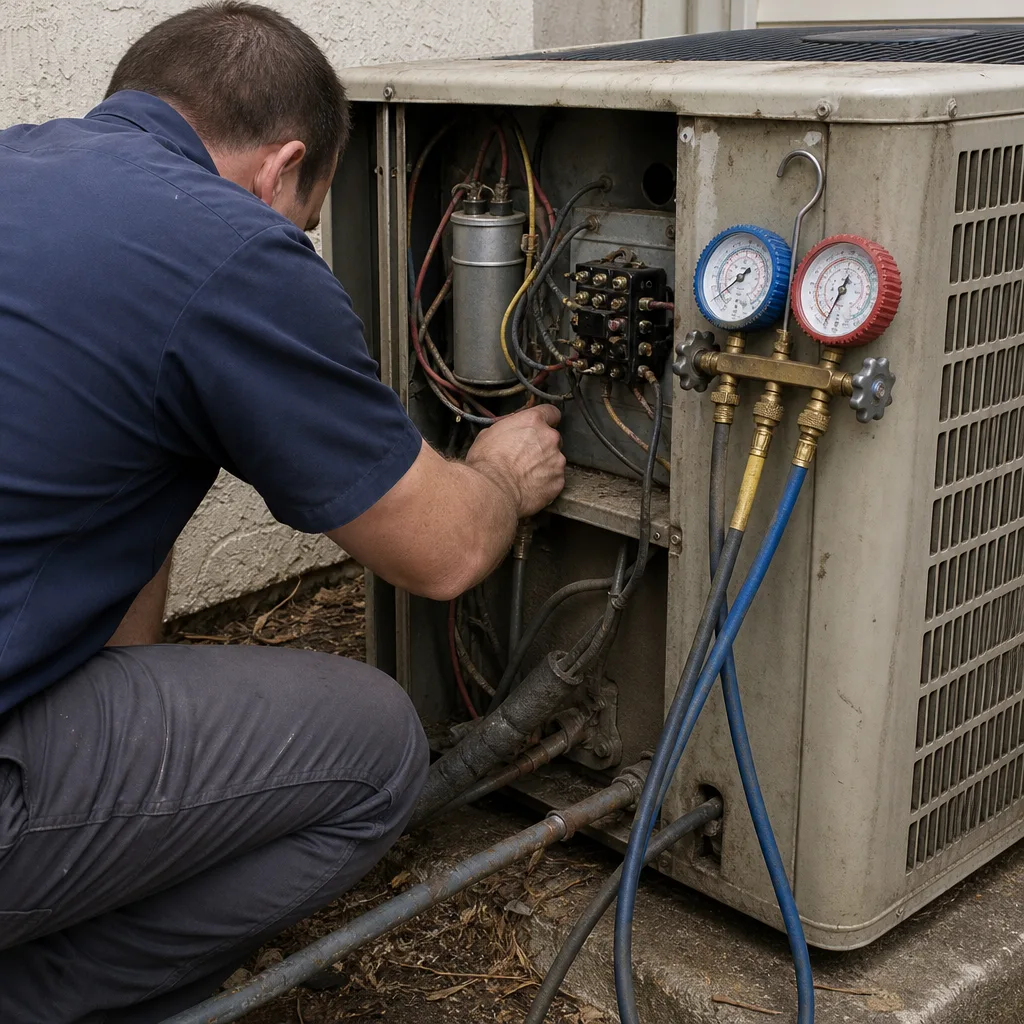 Before
 After
 Before
 After
 Before
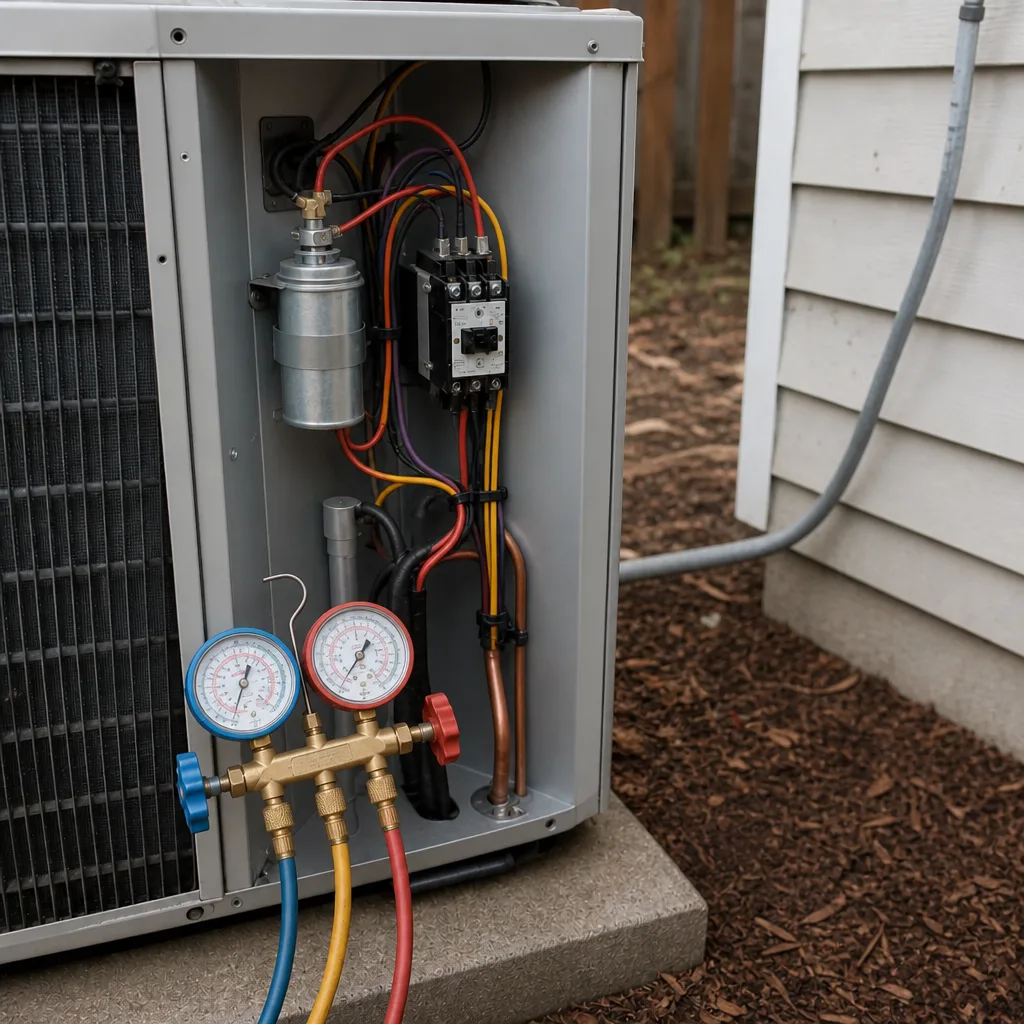 After
When to Call a Professional
Some situations clearly call for a trained technician rather than a wait-and-see approach. Call a professional if your system is blowing warm air, if you see water pooling near the indoor unit, if there’s a musty smell that suggests mold, if the system short-cycles or won’t start, or if you hear grinding or screeching from the outdoor unit. Electrical symptoms – tripped breakers, burning smells, or a unit that trips repeatedly – are urgent and never a DIY matter. Refrigerant leaks, coil problems, and anything involving the compressor need proper diagnosis and equipment. So does any gas furnace issue if your system heats with gas. Sentry AC Repair offers free estimates in Brandon – call (844) 638-9793. We answer 24/7 and dispatch from 7am to 7pm, Sunday through Friday, so a failing system gets a real answer and a plan.
Frequently Asked Questions
Once a year is the general baseline, but Brandon’s long cooling season pushes many homeowners toward a check before the hottest stretch, when runtime and humidity stress peak. Because your system works hard for so many months, catching a weak capacitor or a clogging drain early pays off. Call (844) 638-9793 for a free estimate on any repair we find.
Because your system dehumidifies nearly year-round, moisture and debris build up in the drain line constantly, and that’s the main reason clogs recur here more than in dry climates. Routine flushing helps, but a persistent clog can signal a deeper issue worth a professional look. Call (844) 638-9793 to get it checked.
It depends on runtime and repair history more than age. A system with heavy runtime and repeated major repairs often makes replacement the smarter call, while a lightly used system with an isolated failure is usually worth repairing. A brand-agnostic diagnosis gives you the honest math. Call (844) 638-9793 for a free estimate either way.
Filter changes and basic drain upkeep are safe and worth doing, but refrigerant work and anything electrical – capacitors, contactors, wiring – are not DIY jobs and can be dangerous. A capacitor can hold a charge even after the power is off. When in doubt, call a professional. Call (844) 638-9793 for a free estimate.
We’re factory-trained across nine major brands, including York, Daikin, Bryant, and American Standard, along with Carrier, Trane, Lennox, Goodman, and Rheem. That brand-agnostic fluency means your system gets diagnosed on its own merits, not steered toward a particular brand. Call (844) 638-9793 to book a free estimate.
We dispatch from 7am to 7pm, Sunday through Friday, and same-day service is often possible. We answer the phone 24/7, so you can reach us whenever your system fails. Call (844) 638-9793 for a free estimate and the soonest available window.
The Bottom Line
Your Brandon AC fails on a different schedule than the generic guides predict, because humidity and long runtime wear the drain lines, coils, and capacitors faster than a manufacturer’s timeline assumes. Judge repairs by runtime and history, not calendar age. Handle the safe upkeep – filters and drain checks – and leave electrical and refrigerant work to a trained technician. Choose a brand-agnostic diagnosis over a brand’s sales pitch, and plan ahead of the summer peak. Get those right and you’ll spend less, replace less often, and stay comfortable through the season. To put it into practice, call Sentry AC Repair at (844) 638-9793 for a free estimate in Brandon.
Written by the team at Sentry AC Repair.