
Last updated November 15, 2026
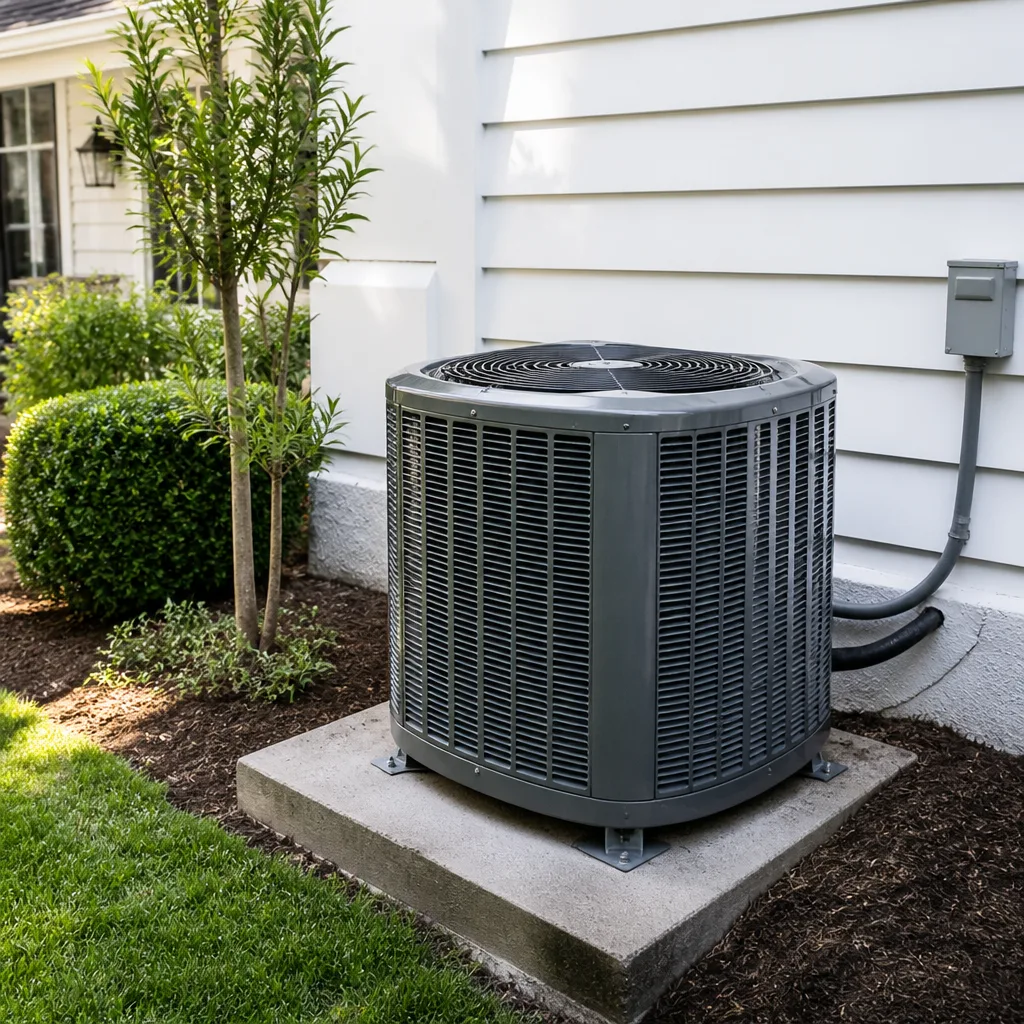 AC repair
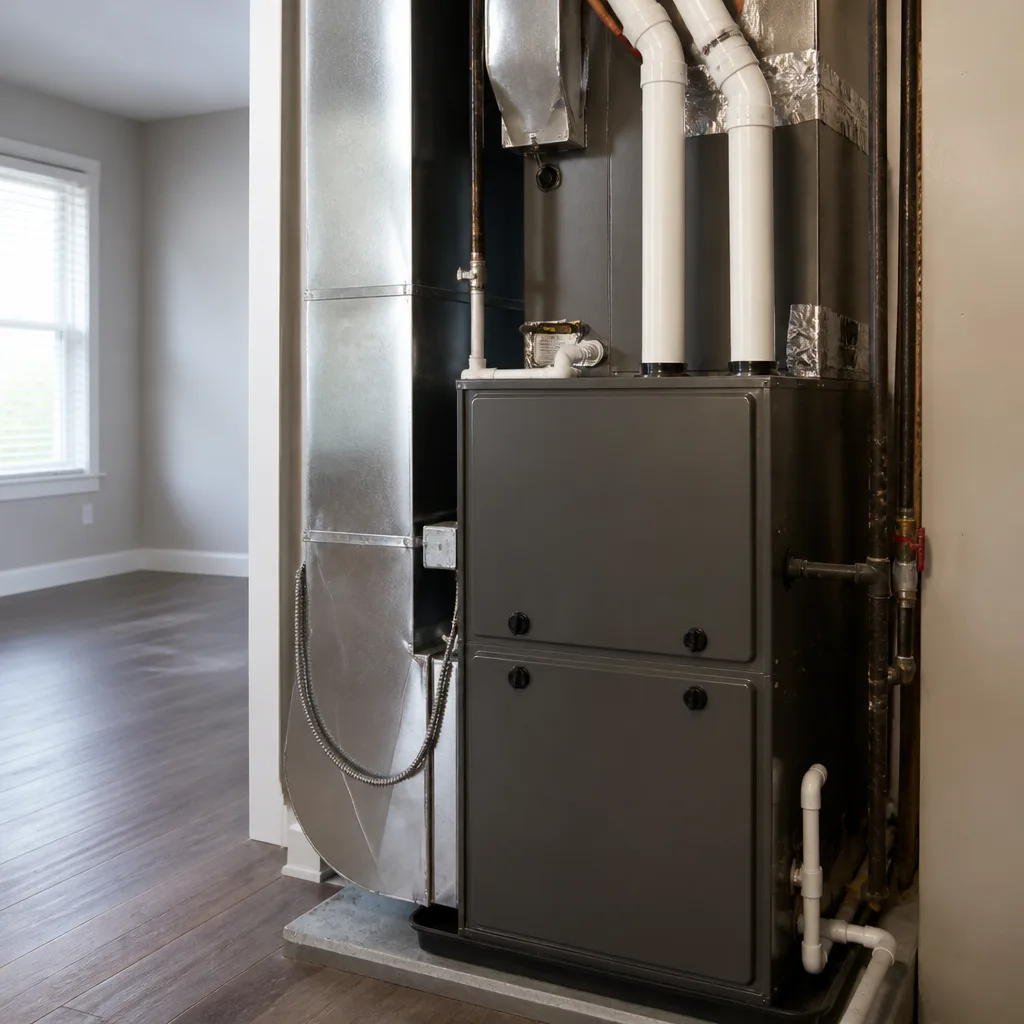 Furnace & heating
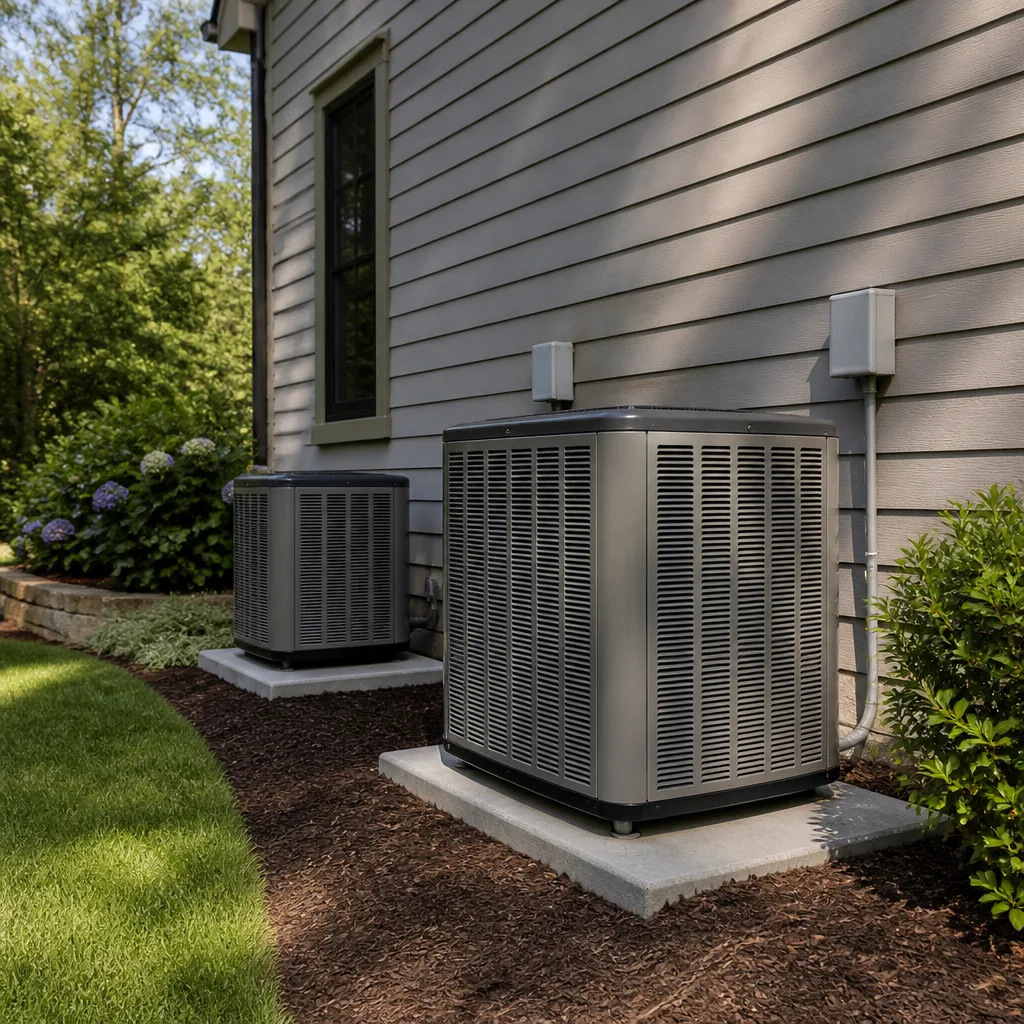 Heat pumps
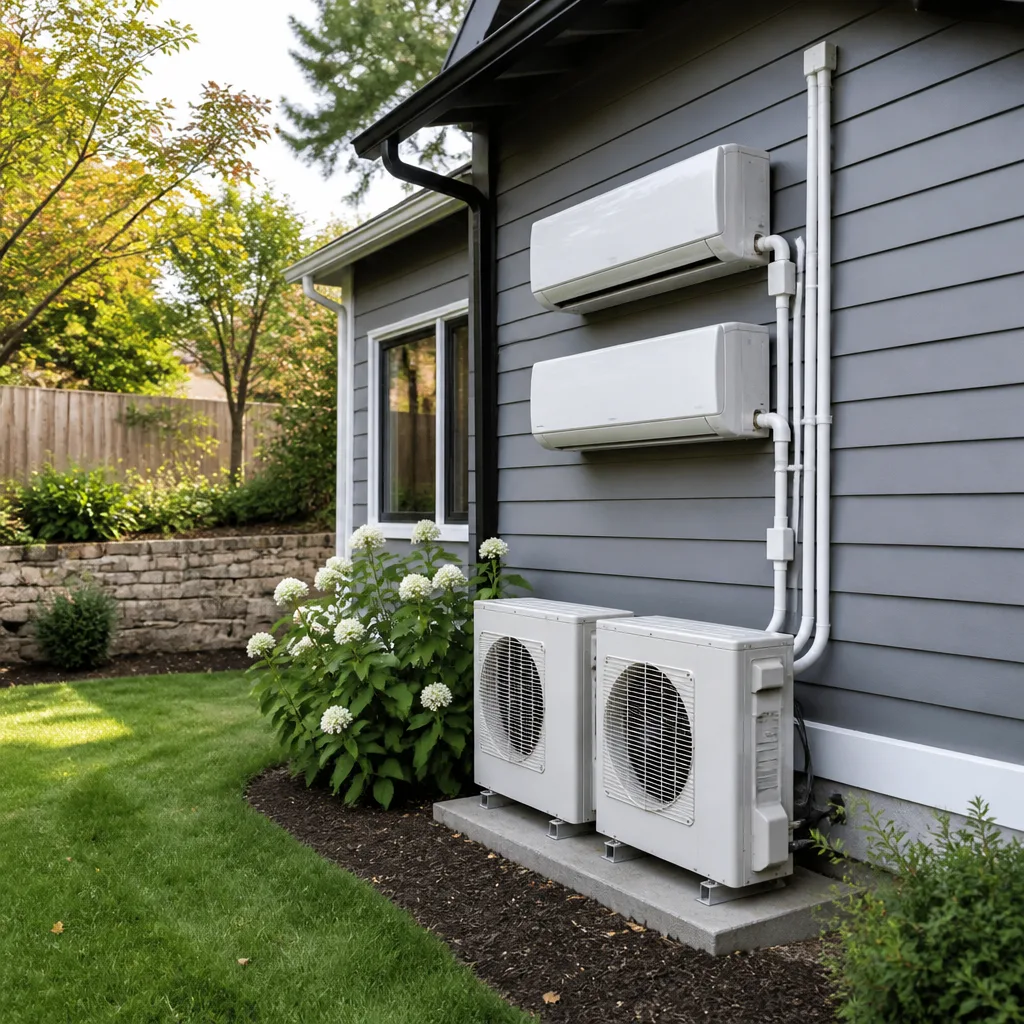 Ductless mini splits
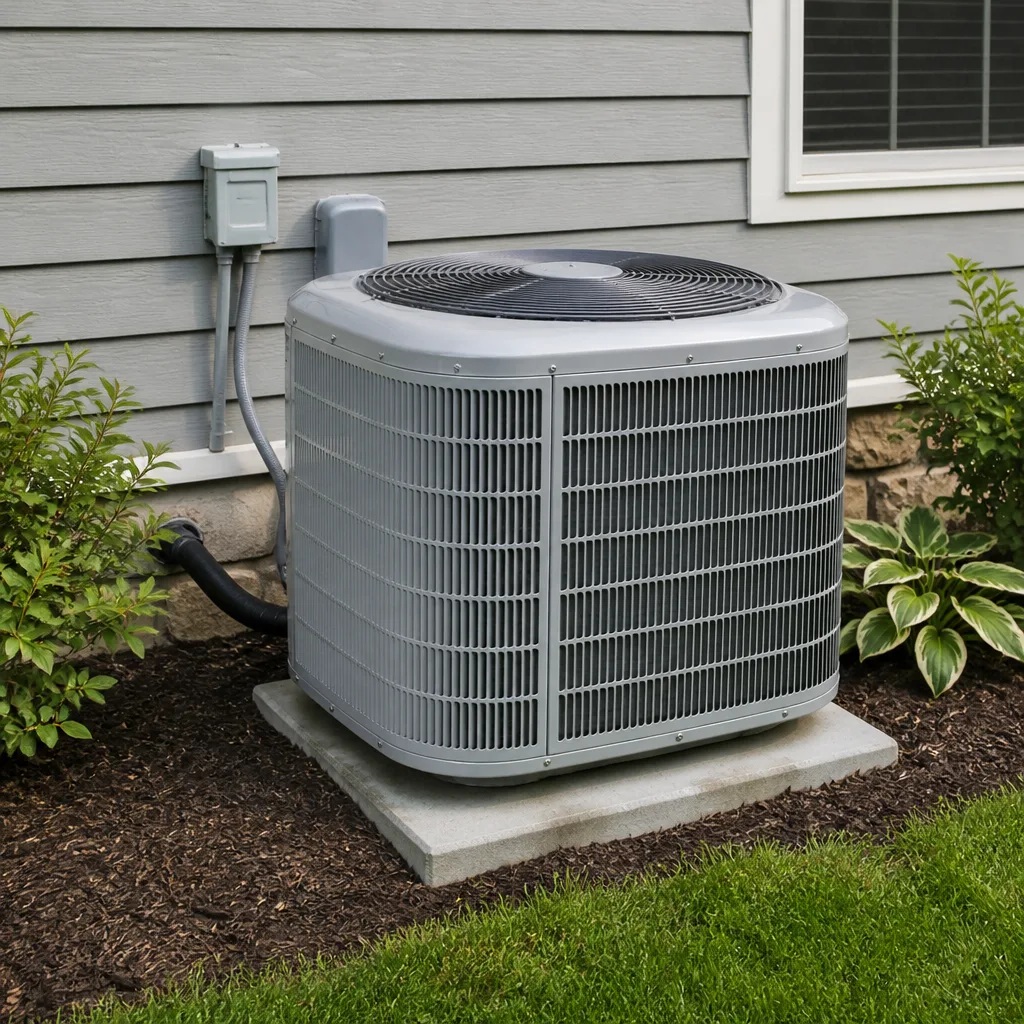 Carrier
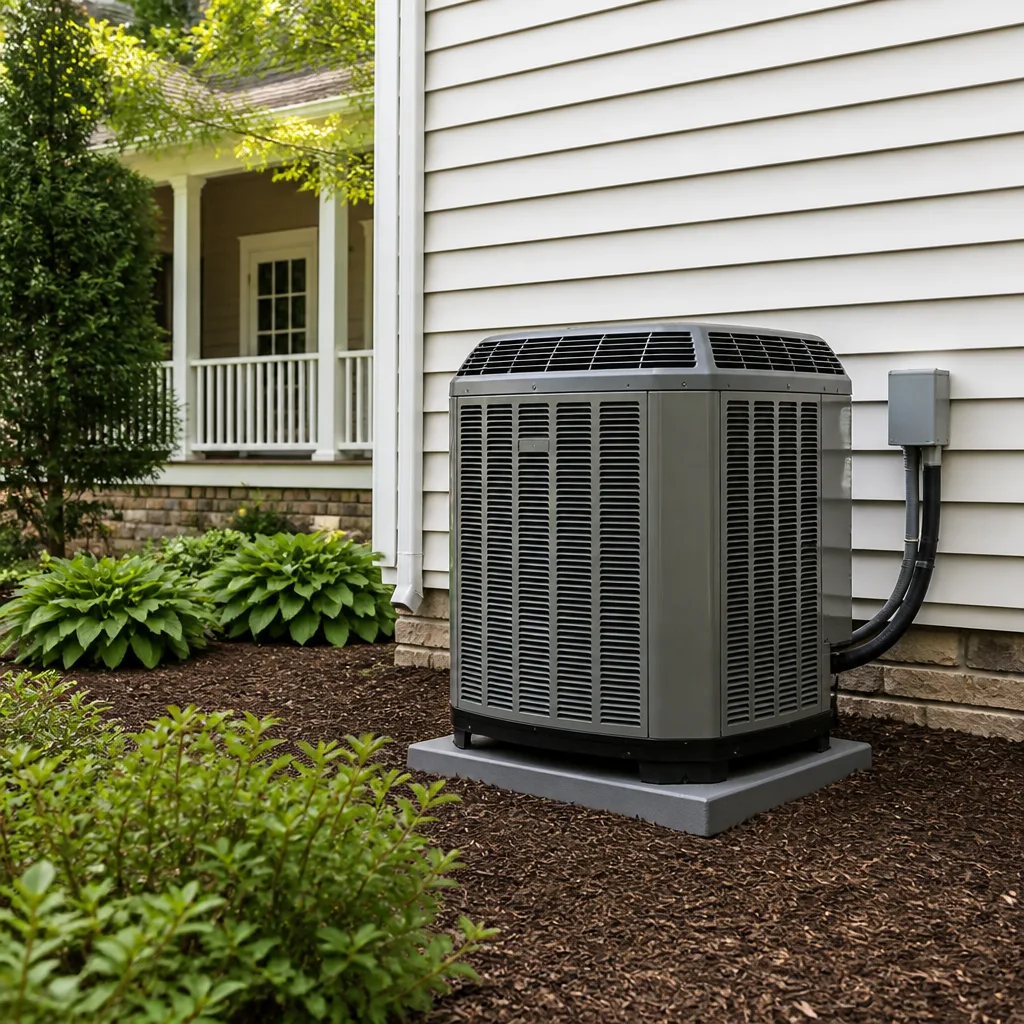 Trane
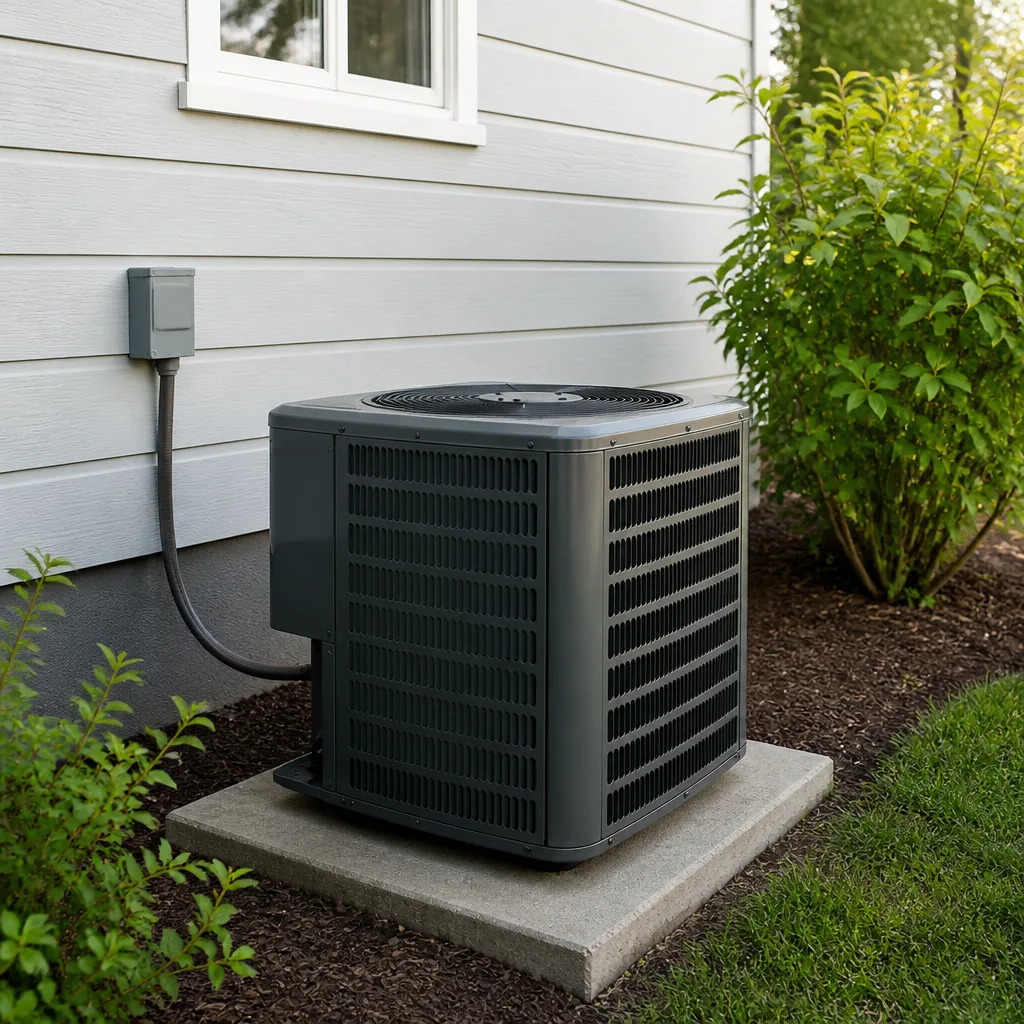 Goodman
Seasonal tune-up and full diagnostic on your Carrier, Trane, or Goodman system - readings shown to you before any repair is proposed
Diagnosis first, numbers second - you approve the repair price before a single part goes in.
Get your free estimateSeasonal HVAC Care for Brandon: Year-Round Homeowner’s Guide
The worst time to discover your AC has a refrigerant leak is the first 95-degree day in May. By then, every technician in the area is booked, parts are moving slowly, and you’re waiting on a fix while your house climbs past 85 degrees. The good news: that leak was almost certainly catchable three months earlier, during one mild February afternoon when nobody in Brandon was thinking about air conditioning. Most homeowners treat HVAC care as a summer job. In Brandon, that assumption costs money and comfort. This guide reframes the year around what this climate actually demands, so you know what to check, when to schedule it, and when to leave the system alone.
Styles & brands we work with
- AC repair
- Furnace & heating
- Heat pumps
- Ductless mini splits
- Carrier
- Trane
- Goodman
Quick Answer
Brandon’s HVAC year has two high-demand seasons (summer cooling and short winter heating) and two transition windows (roughly February-March and October-November). The fall window is the most valuable one for maintenance, because a system that survived summer can still be hiding a failing capacitor, a low refrigerant charge, or a clogged drain line. Check your filter monthly during cooling season, schedule professional service before each peak, and watch for performance drift instead of waiting for a total breakdown.
Table of Contents
- Why Brandon’s HVAC Year Doesn’t Match the National Calendar
- February and March: The Pre-Season Window Nobody Uses
- June Through September: Monitoring vs. Calling for Service
- October and November: The Highest-Value Maintenance Window
- December and January: Heating Checks That Still Matter Here
- Thermostat and Humidity Targets by Season
- Common Mistakes to Avoid
- When to Call a Professional
Why Brandon’s HVAC Year Doesn’t Match the National Calendar
National HVAC maintenance calendars were built for climates with four even seasons. Brandon doesn’t have those. What Brandon has is a long, humid cooling season that runs roughly May through September, a short heating season that peaks in January, and two transition windows where the weather is genuinely pleasant and almost nobody thinks about their system. That mismatch is where most avoidable breakdowns begin.
A typical manufacturer’s maintenance reminder assumes the hardest work happens in summer and the system gets a rest in spring and fall. Here, the cooling system runs far more hours per year than in most of the country, and then gets abruptly shelved in November. That cycle of heavy use followed by idle months is exactly what exposes weak components – a contactor that’s pitted, a capacitor that’s drifted out of spec, a condensate line that’s slow to drain after months of heavy moisture load.
The gap between what a homeowner assumes and what the hardware actually needs creates the classic pattern we see: a system that ran “fine all summer” and then fails on the first cold night, or an AC that limps through peak heat and then collapses in September when the warranty-covered repair window is already gone. The fix isn’t more service visits. It’s the right visit at the right time.
What Brandon’s climate demands of your system
- Long cooling duty cycle: most systems run for more accumulated hours over a year than in cooler regions, which ages capacitors, contactors, and compressors faster.
- High humidity load: central Florida air holds a lot of moisture, so the indoor coil and condensate drain work harder than the equipment rating sheet suggests.
- Mild but real heating season: Brandon’s winter nights drop far enough to exercise heat strips and heat pump reversing valves, but not far enough to remind you they need testing.
- Spring and fall working windows: temperatures in the 70s and low 80s, which is the best weather of the year to run diagnostics without the system fighting peak load.
Sentry AC Repair works on systems across Brandon, and the pattern holds in every neighborhood here – the failures typically cluster right after the transition windows, not in the middle of the peak seasons when the system is exercised and healthy. If you’re new to the area or to a home you didn’t choose the equipment for, that context matters.
February and March: The Pre-Season Window Nobody Uses
February and March in Brandon are the single best opportunity of the year to catch a problem before it becomes a crisis. Cooling demand is low, the system is still fresh from its winter idle, and the diagnostic picture is clearer than it will be at any point in the next six months. A refrigerant leak, a weak capacitor, or a slowly clogging drain line shows up now with far less stress on the system than it would in July.
We’ve seen this pattern repeatedly: a system that holds a refrigerant charge in February fails to hold one by June, and the homeowner never got a warning. A simple pressure and superheat check in February catches a slow leak while it’s still slow. By the first week of June, that same leak can drop charge fast enough to trip the low-pressure switch and shut the system down entirely – usually on the hottest day of the month.
What to do in the February-March window
- Replace the air filter. A fresh filter before cooling season starts is the cheapest thing you’ll do all year. Check the size stamped on the current filter frame; a wrong-size filter pulls unfiltered air around the edges.
- Clear the outdoor condenser pad. Leaves, grass clippings, and the occasional yard debris pile restrict airflow to the coil, which raises head pressure and shortens compressor life. Two feet of clearance on all sides is a reasonable baseline.
- Rinse the outdoor coil (low pressure only). A gentle garden hose rinse removes the pollen and dust that accumulate over the cooler months. Don’t use a pressure washer; the fins bend.
- Look at the condensate drain and pan. Slow draining, standing water, or slime buildup in the line are early warnings for a summer overflow. Check the drain pan for rust or standing water.
- Test the thermostat in both modes. Switch briefly between cool and heat to confirm the thermostat commands each mode correctly. A thermostat that’s losing calibration is a common cause of “the system runs but never satisfies” complaints.
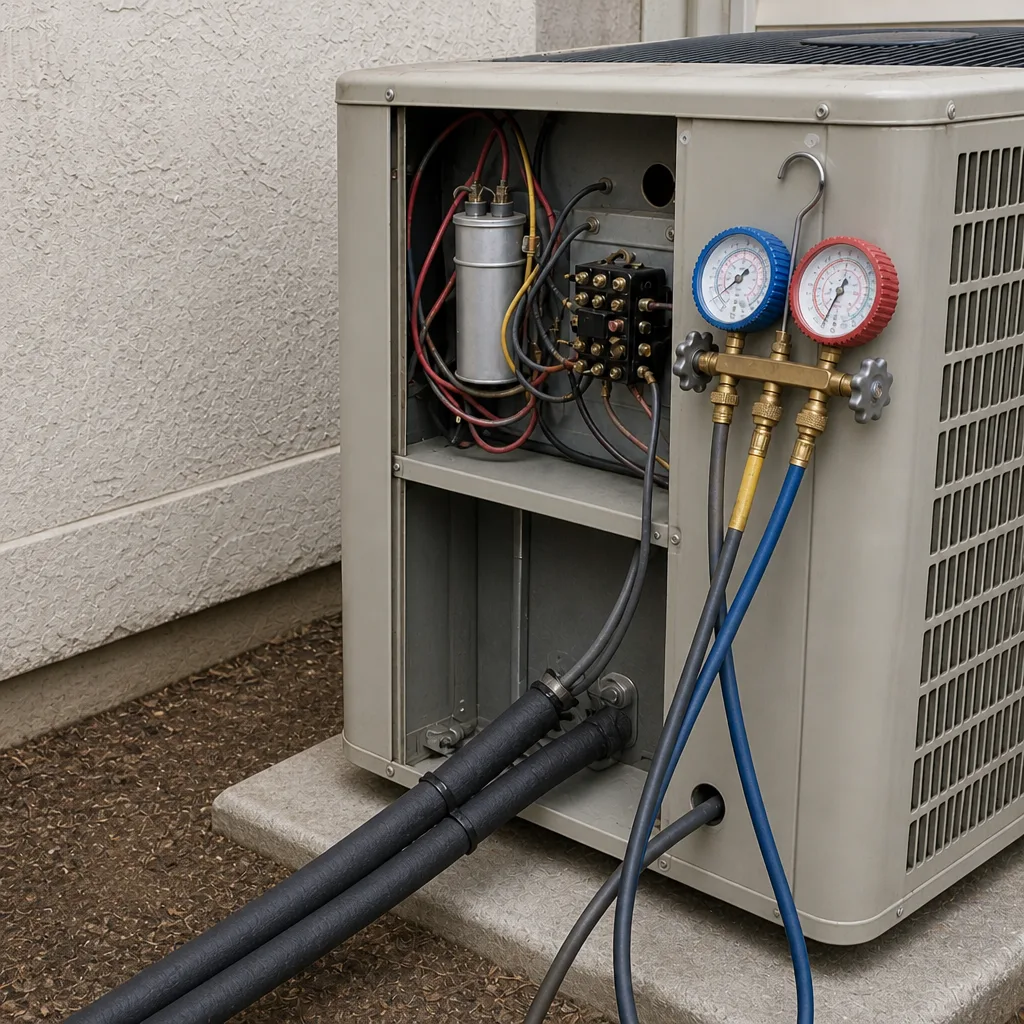
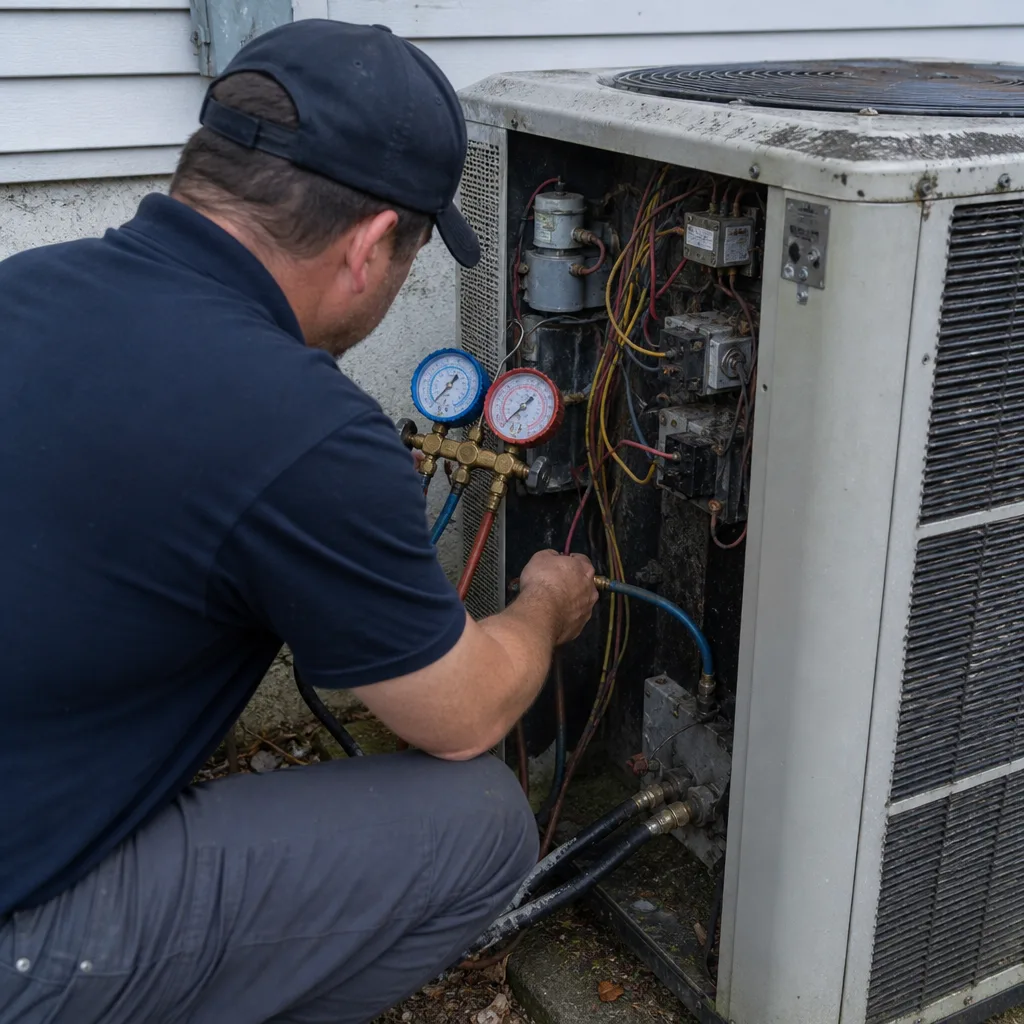
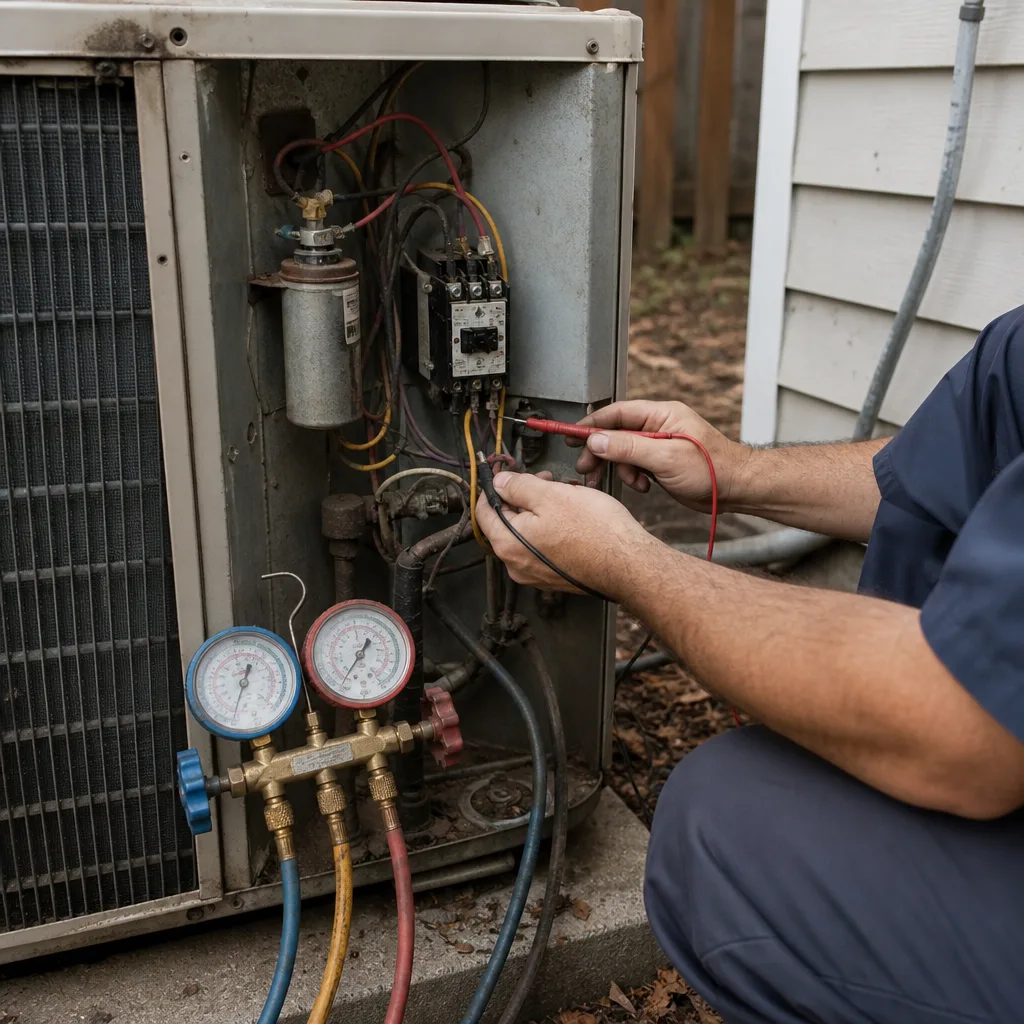
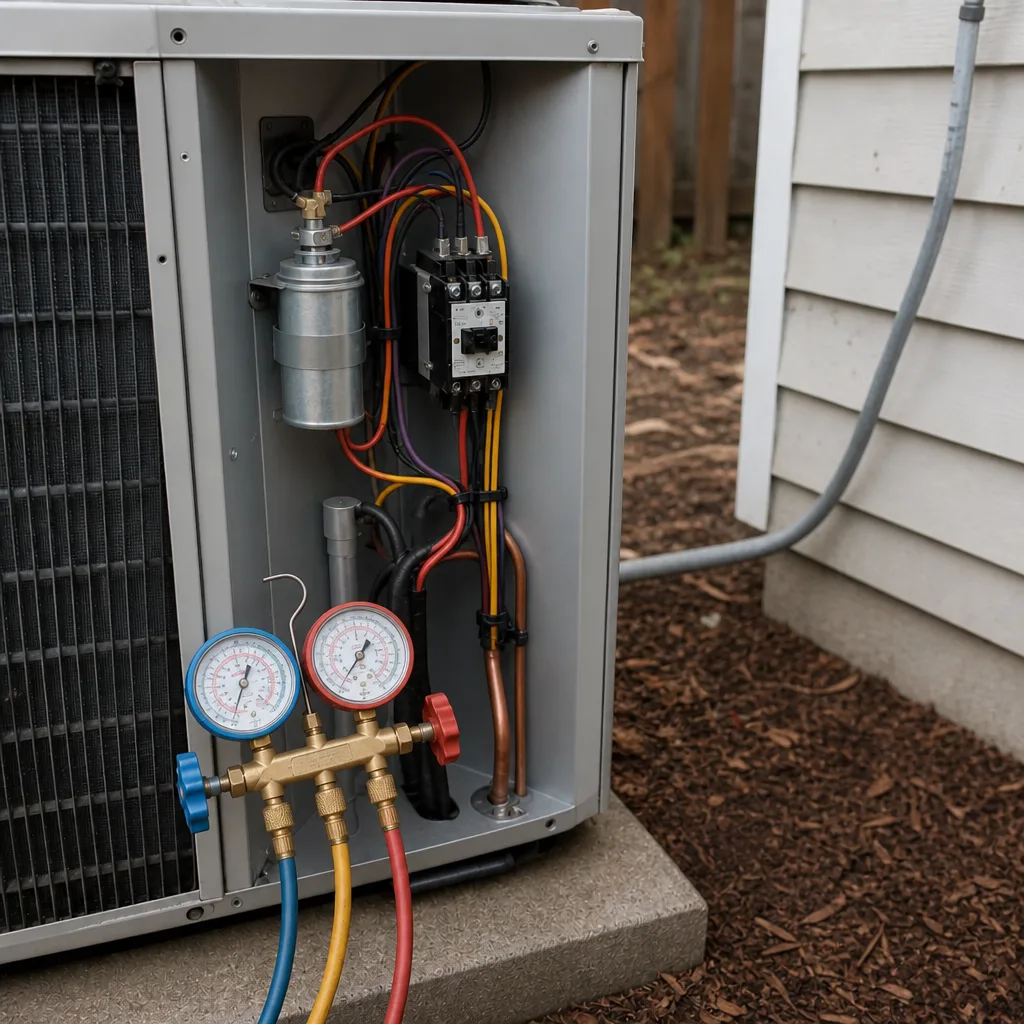
- Schedule a professional pre-season check. A technician with gauges and a multimeter can catch a refrigerant leak, a failing capacitor, or a refrigerant charge issue that no amount of visual inspection will reveal. If your home has equipment you didn’t choose (a Lennox or Goodman system left by a previous owner, for example), this check also captures its exact model and age in writing.
This is the window where a routine AC repair can prevent a mid-summer emergency. A $10 filter and a $0 hose rinse do more than any upgrade pitch. If a technician finds a failing capacitor now, you replace a small part on a mild day instead of sitting in a hot house on a 95-degree afternoon in June.
June Through September: Monitoring vs. Calling for Service
During the four months of intense cooling use in Brandon, the question is not whether your system is under load – it’s whether that load is revealing a problem or just doing its job. Most homeowners either ignore warning signs entirely or call for service every time the house feels warm. Neither extreme is right. The skill is knowing which signals justify a service visit and which are weather, thermostat settings, or filter neglect.
Run the cooling season with discipline on the basics first. A dirty filter, a thermostat set too aggressively, or a running exhaust fan pulling humid outside air into the house will all make a healthy system look broken. Rule those out before you pick up the phone.
Signs it’s just doing its job
- Longer run times on the hottest, most humid days
- Indoor temperature holding within 2 to 3 degrees of the thermostat setpoint
- Warm air at the supply registers but steady airflow
- The outdoor unit cycling on and off at regular intervals
Signs it’s time to call
- Airflow from supply registers drops noticeably
- Ice forms on the indoor coil or the refrigerant line at the outdoor unit
- The system short-cycles (runs briefly, shuts off, comes back on within minutes)
- Water appears around the indoor air handler or drain pan
- The house can’t get within 4 or 5 degrees of the thermostat setpoint
- You hear grinding, screeching, or banging noises
- The system runs constantly and never satisfies, especially with high humidity
Mid-season checks are worth paying for when the symptom is real but intermittent. A technician can observe a system running under real load in Brandon’s heat and identify what a February check couldn’t – the behavior of a system under stress. When the pattern is clear and the system is underperforming, don’t wait. That’s exactly when we’d rather see it than after a compressor burn-out. In our experience, an early mid-season repair on a York or Rheem system is routinely cheaper than the component failure it prevents. When the equipment is at the end of its practical life and you’re weighing replacement, see our guide to AC installation for how sizing and scheduling work.
October and November: The Highest-Value Maintenance Window
If you only schedule one service visit a year, October or November is the one. Here’s the reasoning: the system has just finished five or six months of heavy use, it’s about to sit mostly idle for months, and the weather is pleasant enough to safely pull a system offline for diagnosis without disrupting comfort. Every component that’s been stressed all summer is now visible without the heat masking symptoms. This is where the money is saved, and it’s also the window most homeowners skip because they reason “it ran fine all summer.”
The logic behind that reasoning is faulty. Running fine all summer is exactly the condition that makes an October check worthwhile – the system has logged hundreds of hours of runtime, and that’s where wear accumulates. A capacitor whose capacitance has drifted 15 to 20 percent out of spec, a contactor with pitted contacts, and a refrigerant charge that’s dropped by a small fraction are all in that “still running, but on borrowed time” zone right now. In October, they’re cheap fixes. In May, they’re emergency calls.
What gets checked in the fall service
- Capacitor and contactor testing. The two most common failure points in a cooled system are also the two most often caught in a fall inspection. A weak capacitor is a small replacement now and a no-cooling call in July without it.
- Refrigerant charge and pressure check. A slow leak shows up here first. If the charge needs to be topped off, the technician can also trace whether there’s a leak worth repairing before it becomes a permanent problem.
- Condensate drain flush. Summer moisture builds up slime in the drain line. A fall flush prevents the overflow that causes water damage and humidity problems when the system resumes in spring.
- Blower motor and belt check (if applicable). Air handler motors and the belts on older systems wear through summer. Catch it before the heat comes back.
- Full inspection of the furnace or heat pump in heat mode. Test heat strips or the reversing valve while the weather is still warm enough that a quick check doesn’t cause discomfort.
- Written report of what was actually found. Ask for it in writing. A good report lists every component tested and every reading, not just “system needs service.”
Fall is also the right time to think about whether repairs are worth it versus replacement. If your technician hands you a list of three or four failed components on a system that’s past its practical life, that’s a different conversation than a single capacitor. We don’t push replacements; the call is yours. But the worst version of that conversation is having it on the first cold night in December, when your only option is “fix it now, whatever it costs.” The fall check prevents that scenario.
December and January: Heating Checks That Still Matter Here
Brandon’s winters are mild, and that’s exactly why heating problems tend to slip past homeowners. A system that heats “well enough” in 60-degree weather may not be healthy at all. Cold snaps here are short but real, and the equipment that runs them – heat strips, heat pump reversing valves, heating elements – get very little exercise during the rest of the year. That’s the setup for a failure on the worst possible night.
If your home heats with a heat pump, the reversing valve is the component that lets the system switch between cooling and heating. Its failure mode is subtle: the system may run in the wrong mode, produce weak heat, or cycle in a way that looks like a thermostat problem. A technician testing it in December will catch the issue long before it becomes “our heater doesn’t work, and it’s 42 degrees outside.”
What to test during the winter season
- Heat strips or electric heating elements: test in heat mode and verify the system can reach the thermostat’s heating setpoint within a reasonable time.
- Heat pump reversing valve: confirm the valve switches cleanly between modes and runs heat efficiently.
- Furnace or heating element operation: a Sentry AC Repair furnace repair call in Brandon in December is often a small part inside a system that hasn’t been tested since the previous winter.
- Thermostat in heat mode: verify that the thermostat command, not the system itself, is what’s driving the heat cycle.
- Safety components: on forced-air heating systems, this is when a technician confirms the safety switches and sensors are operating correctly. Don’t attempt this yourself.
One caution: opening a furnace or an electrical panel to inspect the heating elements is genuinely hazardous – the voltage and heat involved can cause serious injury, and mistakes can damage the system beyond repair. If your heat doesn’t come on or runs weakly, call a trained technician rather than opening anything up. The system is a mechanical and electrical assembly, and testing it requires tools most homeowners don’t have.
Winter is also the best time to make sure you know how your system is behaving when you need it most. If your heat fails on a cold night, call. We answer 24/7. A call outside dispatch hours is booked into the next opening, Sunday through Friday, 7am to 7pm.
Thermostat and Humidity Targets by Season
The standard recommendation – 78 degrees in summer, 68 in winter – is a starting point, not a rule. In Brandon’s climate, thermostat and humidity settings work together, and getting them wrong means your system works harder without keeping you comfortable. The goal is to reduce wear without ending up in a house that feels humid and stuffy.
Cooling season (roughly May through September)
- Daytime setpoint: 76 to 78 degrees is a reasonable baseline for most homes. Every degree you raise it above 74 cuts the system’s runtime slightly, and runtime is what wears components.
- Nighttime setpoint: many homeowners run 74 to 76 overnight. Avoid going below 72 in summer unless you have a reason – the humidity in the house goes up as the system’s cooling cycles shorten.
- Indoor humidity target: 40 to 55 percent is a good range. If your home feels clammy at 78 degrees, the system’s humidity control is worth investigating; that’s a system behavior problem, not a thermostat one.
- Fan setting: “auto” is generally better than “on” during cooling season. Running the fan continuously pushes humid air past the wet coil and can raise indoor humidity.
Heating season (roughly December through February)
- Daytime setpoint: 68 to 70 degrees is comfortable for most homes in Brandon’s mild winter.
- Nighttime setpoint: 65 to 66 degrees saves energy without discomfort.
- Heat pump caution: if you have a heat pump, avoid large swings in the thermostat between day and night. A heat pump heats slowly, and a big setback forces it into auxiliary strip heat, which is more expensive than steady operation.
- Programmable thermostat: scheduling a cool-down starting an hour or two before you arrive home is fine, but avoid the “big setback, then blast it cold” pattern. That pattern raises runtime and stresses the compressor.
The right thermostat setting is the one that keeps you comfortable and keeps the system running steady rather than cycling hard. If you’re unsure about your home’s specific humidity behavior, that’s a conversation worth having with a technician during a routine service visit. If you’re weighing a thermostat upgrade alongside a system decision, our AC installation guide covers how thermostat choice fits the bigger picture. To have your current setup checked, call (844) 638-9793. Estimates are free.
Common Mistakes to Avoid
- Skipping the fall check because “it ran fine all summer.” Running fine all summer is exactly the condition that makes fall the highest-value inspection window. Wear accumulates during heavy use and shows up in October, not July.
- Treating the filter as a once-a-year item. In Brandon’s cooling season, a filter can load up in three to four weeks. A clogged filter restricts airflow, freezes the coil, and drives up the compressor’s workload. Check it monthly from May through September.
- Calling for service the moment the house feels warm. Rule out the thermostat setting, filter, and a stuck exhaust fan first. Most “system isn’t working” calls in Brandon in June are solved by these basics, and calling for service on those saves you nothing.
- Letting a small refrigerant leak coast through the winter. A slow leak doesn’t fix itself in October and November. It just costs more to repair in June, after the system’s been run into a low-pressure lockout while everyone is booked.
- Ignoring the heating system because “we don’t get real winters.” The coldest night of a Brandon winter still matters if your heat strips or heat pump fail. A 60-degree day in December doesn’t test your heating system any better than a 95-degree day tests your heating.
- Trusting a “your system needs replacing” pitch without a second opinion. If a technician can’t show you which component failed and why, and can’t tell you what a repair would cost as an alternative, that’s not diagnosis – it’s a sales script.
- DIY refrigerant or electrical work. Refrigerant handling is regulated and requires licensing, and opening an electrical panel is a genuine hazard. The system isn’t a place for trial-and-error repair.
When to Call a Professional
Call a technician when airflow drops noticeably, when ice forms on the indoor coil or the refrigerant line, when the system short-cycles, when water appears around the indoor unit, when the house can’t get within 4 or 5 degrees of setpoint, or when you hear grinding or banging. On the heating side, call if the heat doesn’t come on, runs weakly, or produces uneven temperatures across rooms. Don’t open a furnace, heat pump, or electrical panel to investigate – the voltage and heat involved can cause serious injury. A trained professional has the tools and the safety practice to test it properly.
Sentry AC Repair offers free estimates in Brandon – call (844) 638-9793. We answer 24/7. Fast dispatch from 7am to 7pm, Sunday through Friday.
Frequently Asked Questions
Once in the fall and, if you want maximum catch-before-failure protection, once in the February-March window as well. The fall visit is the single most valuable service call of the year because it catches problems that the summer’s heavy run time has exposed. A homeowner who does only one service per year should do it in October or November, not in spring.
It’s worth it when the service is diagnostic in nature – when the technician is looking for failing components and reporting what’s found, in writing. It’s not worth it when it’s a “tune-up” that changes nothing and recommends a new system regardless of what was actually found. Ask what was tested and what failed. Our technicians have up to 9 years of experience and we don’t get paid on what we sell, so the report reflects what’s actually in front of us.
Most homes run well at 76 to 78 degrees during the day and 74 to 76 overnight. The bigger factor is how consistently the system runs: a steady setpoint is easier on a system than aggressive setbacks. If your house feels humid at 78 degrees, that’s a system behavior problem worth investigating rather than a reason to lower the thermostat further.
Yes, because the short heating season is exactly where failures happen. Heat strips, heat pump reversing valves, and heating elements sit idle most of the year, so they’re not exercised regularly and their failures go unnoticed until the first cold night. A December or January check catches these while the weather is still mild. A furnace repair call in Brandon in winter is often a small part that went untested for a full year.
Some of it, yes. Filter changes, clearing debris from the outdoor unit, and rinsing the outdoor coil with a garden hose are safe homeowner tasks. Refrigerant work, electrical work inside the air handler, and opening a furnace or heat pump are not – those require a trained, licensed professional. The hazard is real; the voltage can cause serious injury, and a mistake on refrigerant handling can cost more than the service call.
It depends on what’s actually failing and what the repair cost looks like against the remaining life of the system. A single failed capacitor on a system with years left is a repair, not a replacement. A string of failures on a system that’s past its practical life is a different conversation. We’re a brand-agnostic service, which means we don’t have a manufacturer’s sales quota pushing us toward a replacement – we repair what’s repairable and give you the facts when replacement is the better call. We’re certified to service nine leading HVAC brands – Carrier, Trane, Lennox, Goodman, Rheem, York, Daikin, Bryant, and American Standard – so whatever system is already in your home is one we already work on. Call (844) 638-9793 for a free estimate.
The Bottom Line
Brandon’s climate doesn’t reward the national HVAC maintenance calendar. It rewards homeowners who use the transition windows – February and March for pre-season diagnostics, October and November for the highest-value service visit of the year – and who monitor the summer months instead of reacting to every warm afternoon. The pattern of failures is predictable from the season: refrigerant leaks surface in May, capacitors fail in July, and heating problems surface in December. Getting to the transition windows in time is how you avoid the call you don’t want to make. Repair-first, brand-agnostic, and focused on the system you already have: that’s the whole approach. Call (844) 638-9793 for a free estimate. We answer 24/7. Fast dispatch from 7am to 7pm, Sunday through Friday.
Written by the team at Sentry AC Repair.
See the difference
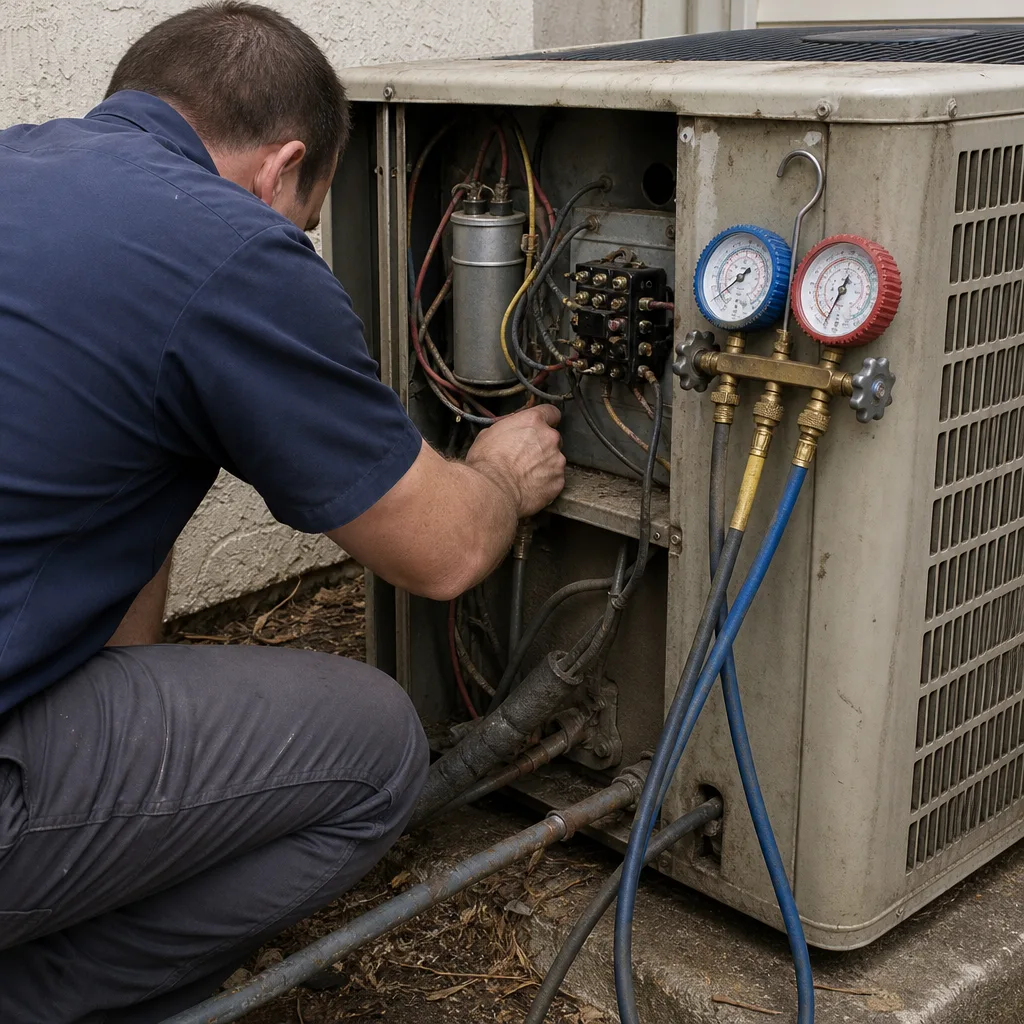 Before
 After
 Before
 After
 Before
 After